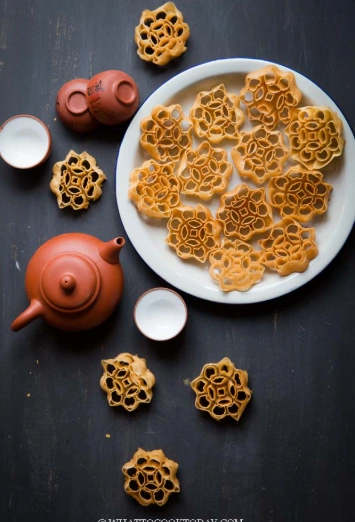
Kembang Goyang and Semprong: The Story Behind Indonesia’s Traditional Snacks
Kembang Goyang and Semprong: The Story Behind Indonesia’s Traditional Snacks | Indonesia is famous for its rich culinary heritage, and traditional snacks are an important part of that cultural identity. Among the many traditional treats found across the country, Kembang Goyang and Semprong stand out for their distinctive shapes, textures, and preparation methods.
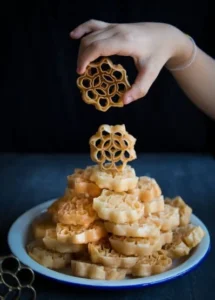
Both snacks are commonly associated with festive occasions, family gatherings, and traditional celebrations. Although they are simple in appearance, Kembang Goyang and Semprong carry stories about Indonesian cooking traditions that have been passed down through generations.
What Is Kembang Goyang?
Kembang Goyang is a traditional Indonesian snack made from a simple batter, usually containing rice flour or a combination of flour, sugar, coconut milk, and other ingredients.
The name “Kembang Goyang” literally refers to a flower-like shape and the shaking motion used during the cooking process. A special mold is dipped into the batter and then placed into hot oil. The mold is gently shaken so that the batter separates and forms the characteristic flower shape.
The result is a light, crispy snack with an attractive appearance.
The Unique Shape of Kembang Goyang
One of the most recognizable features of Kembang Goyang is its decorative shape. The traditional mold creates a flower-like pattern that makes the snack visually appealing.
The technique requires patience and practice. If the batter does not stick properly to the mold, the snack may not form correctly. If it sticks too firmly, removing it can also become difficult.
This traditional cooking method is part of what makes Kembang Goyang special. The snack is not simply about taste but also about preserving an old culinary technique.
What Is Semprong?
Semprong is another popular Indonesian traditional snack known for its thin, crispy texture. It is usually made from a batter containing flour, eggs, sugar, and coconut milk.
The batter is cooked using a special mold or iron plate. Once cooked, the thin sheet is quickly rolled while it is still warm, creating its familiar cylindrical shape.
Semprong has a delicate crunch and a mildly sweet flavor. Some versions may also have a subtle coconut aroma, depending on the recipe.
The Story Behind Semprong
Semprong reflects the influence of traditional baking and snack-making techniques in Indonesian cuisine. The snack has been enjoyed by generations of families and is often served during celebrations or as a companion for tea and coffee.
Its preparation requires speed and precision. Once the batter becomes crisp, it must be shaped immediately before it hardens.
This process gives Semprong its characteristic rolled form and demonstrates the skill involved in making traditional Indonesian snacks.
Kembang Goyang and Semprong in Indonesian Culture
Traditional snacks such as Kembang Goyang and Semprong are more than everyday food. They can represent family traditions and memories.
In many households, recipes for traditional snacks are passed from parents or grandparents to younger generations. Preparing these snacks can become a shared activity, especially before holidays, weddings, and other special events.
The snacks may also be served to guests as part of Indonesian hospitality.
What Makes These Traditional Snacks Special?
There are several reasons why Kembang Goyang and Semprong remain interesting today.
1. Traditional Preparation Methods
Both snacks require specific techniques and tools. Their distinctive forms cannot be separated from the traditional cooking methods used to make them.
2. Simple Ingredients
Many traditional recipes use ingredients that are relatively simple, such as flour, sugar, eggs, and coconut milk. Despite their simplicity, these ingredients can produce snacks with unique flavors and textures.
3. Cultural Heritage
Traditional snacks preserve culinary knowledge. Recipes, cooking techniques, and serving traditions can continue from one generation to another.
4. Festive Associations
Kembang Goyang and Semprong are often connected with celebrations and special occasions. Their presence can bring back memories of family gatherings and traditional festivities.
Kembang Goyang vs. Semprong
Although both are crispy traditional snacks, they have noticeable differences.
| Feature | Kembang Goyang | Semprong |
|---|---|---|
| Shape | Flower-like | Rolled or cylindrical |
| Texture | Light and crispy | Thin and crunchy |
| Cooking method | Mold dipped and shaken in hot oil | Batter cooked on a mold or iron plate |
| Appearance | Decorative | Simple and elongated |
| Common flavor | Sweet, sometimes savory | Usually sweet with a mild coconut flavor |
These differences make each snack unique while showing the diversity of Indonesian traditional food.
Keeping Traditional Indonesian Snacks Alive
Modern snacks and international foods are increasingly popular, but traditional foods still deserve a place in everyday life.
One way to preserve Kembang Goyang and Semprong is simply to continue making and eating them. Families can teach younger generations how to prepare them, while small businesses can introduce traditional snacks to new customers.
Traditional snacks can also be presented in modern packaging without losing their original identity. This can make them more attractive to younger consumers while maintaining the recipes and techniques that define them.
Kembang Goyang and Semprong are two examples of Indonesia’s fascinating traditional snack heritage. Their distinctive shapes, crispy textures, simple ingredients, and traditional preparation methods make them memorable culinary treasures.
More importantly, these snacks tell a story about family, craftsmanship, celebration, and cultural continuity. By enjoying and sharing traditional foods, Indonesians can help ensure that culinary traditions such as Kembang Goyang and Semprong remain part of the country’s food culture for future generations.
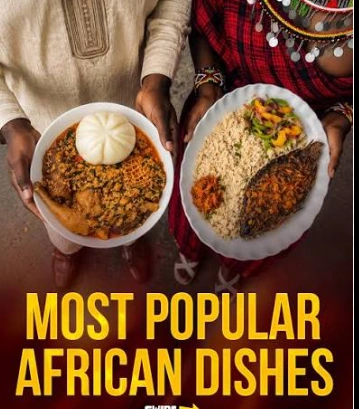
African Staple Foods: Fufu, Ugali, Sadza, Injera, and Jollof Rice
African Staple Foods: Fufu, Ugali, Sadza, Injera, and Jollof Rice | Africa is home to an extraordinary variety of cuisines, shaped by geography, local agriculture, history, and cultural traditions. Across the continent, staple foods provide the foundation of everyday meals and are often enjoyed with flavorful soups, stews, vegetables, meat, or sauces.
Among the best-known African staple foods are fufu, ugali, sadza, injera, and jollof rice. Although they come from different regions and are prepared in different ways, each dish reflects the culinary identity of the communities that enjoy it.
Understanding these foods provides an interesting introduction to the diversity of African cuisine.
1. Fufu
Fufu is one of the most recognizable staple foods in West and Central Africa. It is commonly made by boiling and pounding starchy ingredients such as cassava, plantain, or yam until they become smooth and stretchy.
The texture is one of fufu’s defining characteristics. It is soft, elastic, and generally served as an accompaniment rather than eaten alone.
Fufu is traditionally enjoyed with soups and stews. Popular combinations include:
- Fufu with groundnut soup
- Fufu with palm nut soup
- Fufu with light soup
- Fufu with okra soup
- Fufu with vegetable-based stews
Instead of using a spoon, diners may traditionally take a small portion of fufu with their fingers, shape it, and use it to scoop up the accompanying soup.
2. Ugali
Ugali is a popular staple across East Africa and parts of Central and Southern Africa. It is generally prepared by cooking maize flour with water until it becomes a firm, dough-like porridge.
Ugali is especially associated with countries such as Kenya, Tanzania, and Uganda, although similar maize-based staples are found throughout the region.
Its mild flavor makes it a versatile accompaniment to strongly seasoned foods. It can be served with:
- Sukuma wiki and other leafy greens
- Beef or chicken stew
- Fish
- Beans
- Vegetable sauces
Ugali is valued because maize is relatively accessible in many areas and the dish is filling and economical.
3. Sadza
Sadza is a traditional staple food strongly associated with Zimbabwe and other parts of Southern Africa. Like ugali, it is usually made from finely ground maize meal cooked with water.
The finished dish has a thick and firm consistency. Sadza is typically eaten with vegetables, meat, gravy, or relish.
A common meal might combine sadza with leafy vegetables and a meat-based stew. The combination provides carbohydrates alongside protein and vegetables.
Sadza is more than an everyday food in Zimbabwe. It is closely connected to family meals, hospitality, and cultural traditions.
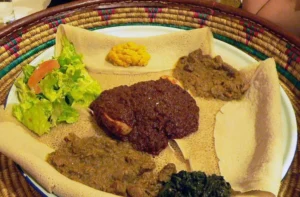
4. Injera
Injera is a distinctive fermented flatbread associated particularly with Ethiopian and Eritrean cuisine.
Unlike fufu, ugali, and sadza, injera is flat and porous, with a characteristic slightly sour flavor created through fermentation. It is traditionally made using teff flour, although other grains may sometimes be incorporated.
Injera serves two purposes at the dining table. It is both food and an eating utensil.
Various stews, vegetables, legumes, and meat dishes are placed on top of the injera. Pieces of the bread are then torn off by hand and used to scoop up the accompanying foods.
Popular dishes served with injera include spicy stews such as doro wat, vegetable preparations, lentils, and meat dishes.
5. Jollof Rice
Jollof rice is one of West Africa’s most famous rice dishes. It is particularly associated with countries including Nigeria, Ghana, Senegal, and The Gambia, although versions and preparation styles differ from country to country.
Jollof rice is typically cooked with a flavorful mixture containing tomatoes, peppers, onions, spices, and seasonings. Depending on the regional tradition, the dish can have different levels of heat, color, texture, and flavor.
Jollof rice is often served at:
- Weddings
- Birthday celebrations
- Family gatherings
- Holidays
- Social events
The differences between regional versions have even inspired friendly debates, particularly between Nigerian and Ghanaian food enthusiasts.
Comparing These African Staple Foods
Although these dishes are often grouped together as African staples, they are quite different.
| Food | Main Region | Main Ingredient | Typical Texture | Common Accompaniments |
|---|---|---|---|---|
| Fufu | West & Central Africa | Cassava, yam, plantain | Soft and stretchy | Soups and stews |
| Ugali | East Africa | Maize flour | Firm and dough-like | Vegetables, meat, fish |
| Sadza | Southern Africa | Maize meal | Thick and firm | Relish, vegetables, meat |
| Injera | Ethiopia & Eritrea | Teff | Soft, porous, fermented | Stews and vegetables |
| Jollof Rice | West Africa | Rice | Fluffy and savory | Chicken, meat, fish, vegetables |
Why African Staple Foods Matter
Staple foods are important not only because they provide energy but also because they connect food with culture.
Ingredients often reflect what is available locally. Maize-based foods such as ugali and sadza developed in regions where maize became an important crop, while teff plays a central role in Ethiopian and Eritrean cuisine. Cassava, yam, and plantain are important ingredients in many parts of West and Central Africa.
Preparation and serving traditions also create a strong social connection. Many of these dishes are designed to be shared, making them an important part of family gatherings and celebrations.
Balut in the Philippines: A Cultural Delicacy or Haram Food?
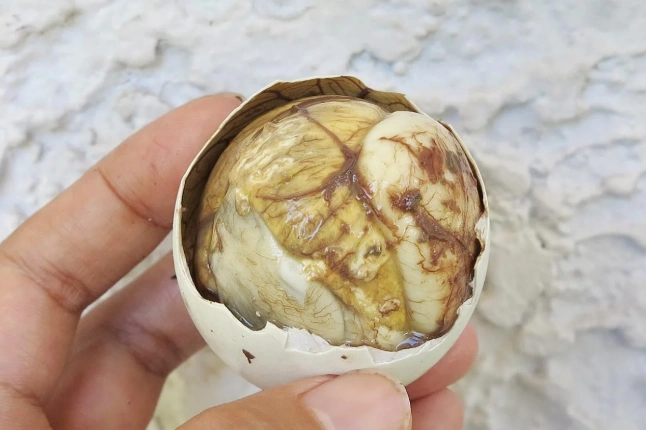
Balut in the Philippines: A Cultural Delicacy or Haram Food? | Balut is one of the Philippines’ most famous and controversial foods. For many Filipinos, it is more than just a street food. It is part of local food culture, often associated with tradition, curiosity, and the experience of trying something uniquely Filipino.

For Muslim consumers, however, balut raises a different question: Is balut halal or haram?
The answer requires looking at both the cultural background of balut and the Islamic rules concerning animals, slaughter, and food consumption.
What Is Balut?
Balut is a fertilized duck egg that has been incubated for a period of time before being boiled and eaten. Inside the shell, the developing embryo has formed to varying degrees depending on how long the egg has been incubated.
It is commonly sold as a street food in the Philippines and is traditionally eaten directly from the shell. Some people season it with salt, vinegar, chili, or other condiments.
Balut has become internationally known because of its unusual appearance and preparation. However, for Filipinos who grew up with it, balut can simply be a familiar part of local food culture.
Why Is Balut Popular in the Philippines?
Balut has a long-standing place in Filipino food traditions. It can be found at markets, roadside stalls, and other informal food settings, particularly in the evening.
Its popularity comes from several factors.
First, balut is inexpensive and convenient. Second, it is considered a source of protein. Most importantly, it has become part of the cultural identity surrounding Filipino street food.
For some Filipinos, eating balut is also a social experience. Visitors may be encouraged to try it as a way of experiencing local cuisine.
Is Balut Halal or Haram?
For Muslims, the question is more complicated than simply asking whether duck eggs are halal.
In general, eggs from halal animals can be permissible to consume. Ducks themselves are generally considered halal animals. However, balut contains a developing embryo, which creates a specific issue under Islamic dietary principles.
Different Islamic scholars and halal authorities may have different interpretations depending on the stage of development of the embryo and the applicable rules concerning animal life and slaughter.
Therefore, balut should not automatically be assumed to be halal simply because it comes from a duck.
Why Does the Embryo Matter?
The key issue is the developing embryo inside the egg.
A regular unfertilized duck egg is substantially different from a fertilized egg containing a developed embryo. As the embryo develops, questions arise about whether it is considered an animal that requires particular treatment under Islamic law.
This is why the halal status of balut can depend on factors such as the embryo’s development and the interpretation followed by a particular Muslim community or halal authority.
For someone who follows halal dietary rules strictly, it is therefore important to seek guidance from a recognized halal certification body or qualified Islamic scholar.
Does Cooking Make Balut Halal?
Cooking does not automatically change the halal status of food.
If a particular food is considered impermissible because of its ingredients or method of preparation, boiling, frying, or otherwise cooking it does not necessarily make it permissible.
With balut, the question concerns the nature and development of the embryo as well as the Islamic ruling applied to it.
This means that simply boiling the egg does not provide a universal answer to whether balut is halal.
Balut and Filipino Culture
Regardless of its religious status, balut has significant cultural importance in the Philippines.
Food is often closely connected to identity, family, tradition, and community. What may seem unusual to an outsider can have a completely different meaning for people who grew up eating it.
Balut is a good example of how food can tell a cultural story.
Its preparation, the way it is sold, and the way people eat it all contribute to its reputation as one of the Philippines’ most recognizable traditional foods.
Should Muslims Eat Balut?
Muslims who are unsure about balut should avoid making assumptions based solely on its appearance or reputation.
The safest approach is to check the guidance of a trusted halal authority or qualified Islamic scholar, particularly if the individual follows a specific school of Islamic jurisprudence.
Halal certification and religious guidance can also vary between countries and institutions. For this reason, a person looking for a definitive religious ruling should rely on an authoritative source rather than an informal internet claim.
Balut as a Cultural Experience
For non-Muslim visitors, balut can be an interesting introduction to Filipino culinary traditions.
However, it is important to approach the food respectfully. Balut is not simply a novelty or an unusual food challenge. It is a traditional food with cultural significance for many Filipinos.
Learning about its history and cultural role can make the experience more meaningful than simply focusing on its unusual appearance.
Balut represents the fascinating intersection of food, culture, tradition, and religion.
In the Philippines, it is widely recognized as a traditional delicacy and an important part of street-food culture. For Muslims, however, its status requires additional consideration because balut contains a developing duck embryo.
There is no need to treat the subject as a simple question of whether all balut is universally halal or universally haram. Islamic dietary rulings can depend on the details of the food and the interpretation of qualified authorities.
If you follow halal dietary requirements, the best approach is to consult a trusted Islamic scholar or recognized halal authority before consuming balut.
Ultimately, understanding balut means looking beyond the food itself. It offers a glimpse into Filipino culture while also showing how religious dietary principles can influence the way people experience food around the world.