
African Staple Foods: Fufu, Ugali, Sadza, Injera, and Jollof Rice | Africa is home to an extraordinary variety of cuisines, shaped by geography, local agriculture, history, and cultural traditions. Across the continent, staple foods provide the foundation of everyday meals and are often enjoyed with flavorful soups, stews, vegetables, meat, or sauces.
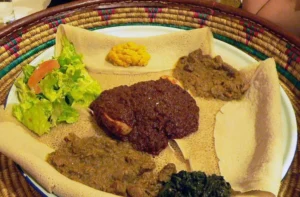
Among the best-known African staple foods are fufu, ugali, sadza, injera, and jollof rice. Although they come from different regions and are prepared in different ways, each dish reflects the culinary identity of the communities that enjoy it.
Understanding these foods provides an interesting introduction to the diversity of African cuisine.
1. Fufu
Fufu is one of the most recognizable staple foods in West and Central Africa. It is commonly made by boiling and pounding starchy ingredients such as cassava, plantain, or yam until they become smooth and stretchy.
The texture is one of fufu’s defining characteristics. It is soft, elastic, and generally served as an accompaniment rather than eaten alone.
Fufu is traditionally enjoyed with soups and stews. Popular combinations include:
- Fufu with groundnut soup
- Fufu with palm nut soup
- Fufu with light soup
- Fufu with okra soup
- Fufu with vegetable-based stews
Instead of using a spoon, diners may traditionally take a small portion of fufu with their fingers, shape it, and use it to scoop up the accompanying soup.
2. Ugali
Ugali is a popular staple across East Africa and parts of Central and Southern Africa. It is generally prepared by cooking maize flour with water until it becomes a firm, dough-like porridge.
Ugali is especially associated with countries such as Kenya, Tanzania, and Uganda, although similar maize-based staples are found throughout the region.
Its mild flavor makes it a versatile accompaniment to strongly seasoned foods. It can be served with:
- Sukuma wiki and other leafy greens
- Beef or chicken stew
- Fish
- Beans
- Vegetable sauces
Ugali is valued because maize is relatively accessible in many areas and the dish is filling and economical.
3. Sadza
Sadza is a traditional staple food strongly associated with Zimbabwe and other parts of Southern Africa. Like ugali, it is usually made from finely ground maize meal cooked with water.
The finished dish has a thick and firm consistency. Sadza is typically eaten with vegetables, meat, gravy, or relish.
A common meal might combine sadza with leafy vegetables and a meat-based stew. The combination provides carbohydrates alongside protein and vegetables.
Sadza is more than an everyday food in Zimbabwe. It is closely connected to family meals, hospitality, and cultural traditions.
4. Injera
Injera is a distinctive fermented flatbread associated particularly with Ethiopian and Eritrean cuisine.
Unlike fufu, ugali, and sadza, injera is flat and porous, with a characteristic slightly sour flavor created through fermentation. It is traditionally made using teff flour, although other grains may sometimes be incorporated.
Injera serves two purposes at the dining table. It is both food and an eating utensil.
Various stews, vegetables, legumes, and meat dishes are placed on top of the injera. Pieces of the bread are then torn off by hand and used to scoop up the accompanying foods.
Popular dishes served with injera include spicy stews such as doro wat, vegetable preparations, lentils, and meat dishes.
5. Jollof Rice
Jollof rice is one of West Africa’s most famous rice dishes. It is particularly associated with countries including Nigeria, Ghana, Senegal, and The Gambia, although versions and preparation styles differ from country to country.
Jollof rice is typically cooked with a flavorful mixture containing tomatoes, peppers, onions, spices, and seasonings. Depending on the regional tradition, the dish can have different levels of heat, color, texture, and flavor.
Jollof rice is often served at:
- Weddings
- Birthday celebrations
- Family gatherings
- Holidays
- Social events
The differences between regional versions have even inspired friendly debates, particularly between Nigerian and Ghanaian food enthusiasts.
Comparing These African Staple Foods
Although these dishes are often grouped together as African staples, they are quite different.
| Food | Main Region | Main Ingredient | Typical Texture | Common Accompaniments |
|---|---|---|---|---|
| Fufu | West & Central Africa | Cassava, yam, plantain | Soft and stretchy | Soups and stews |
| Ugali | East Africa | Maize flour | Firm and dough-like | Vegetables, meat, fish |
| Sadza | Southern Africa | Maize meal | Thick and firm | Relish, vegetables, meat |
| Injera | Ethiopia & Eritrea | Teff | Soft, porous, fermented | Stews and vegetables |
| Jollof Rice | West Africa | Rice | Fluffy and savory | Chicken, meat, fish, vegetables |
Why African Staple Foods Matter
Staple foods are important not only because they provide energy but also because they connect food with culture.
Ingredients often reflect what is available locally. Maize-based foods such as ugali and sadza developed in regions where maize became an important crop, while teff plays a central role in Ethiopian and Eritrean cuisine. Cassava, yam, and plantain are important ingredients in many parts of West and Central Africa.
Preparation and serving traditions also create a strong social connection. Many of these dishes are designed to be shared, making them an important part of family gatherings and celebrations.