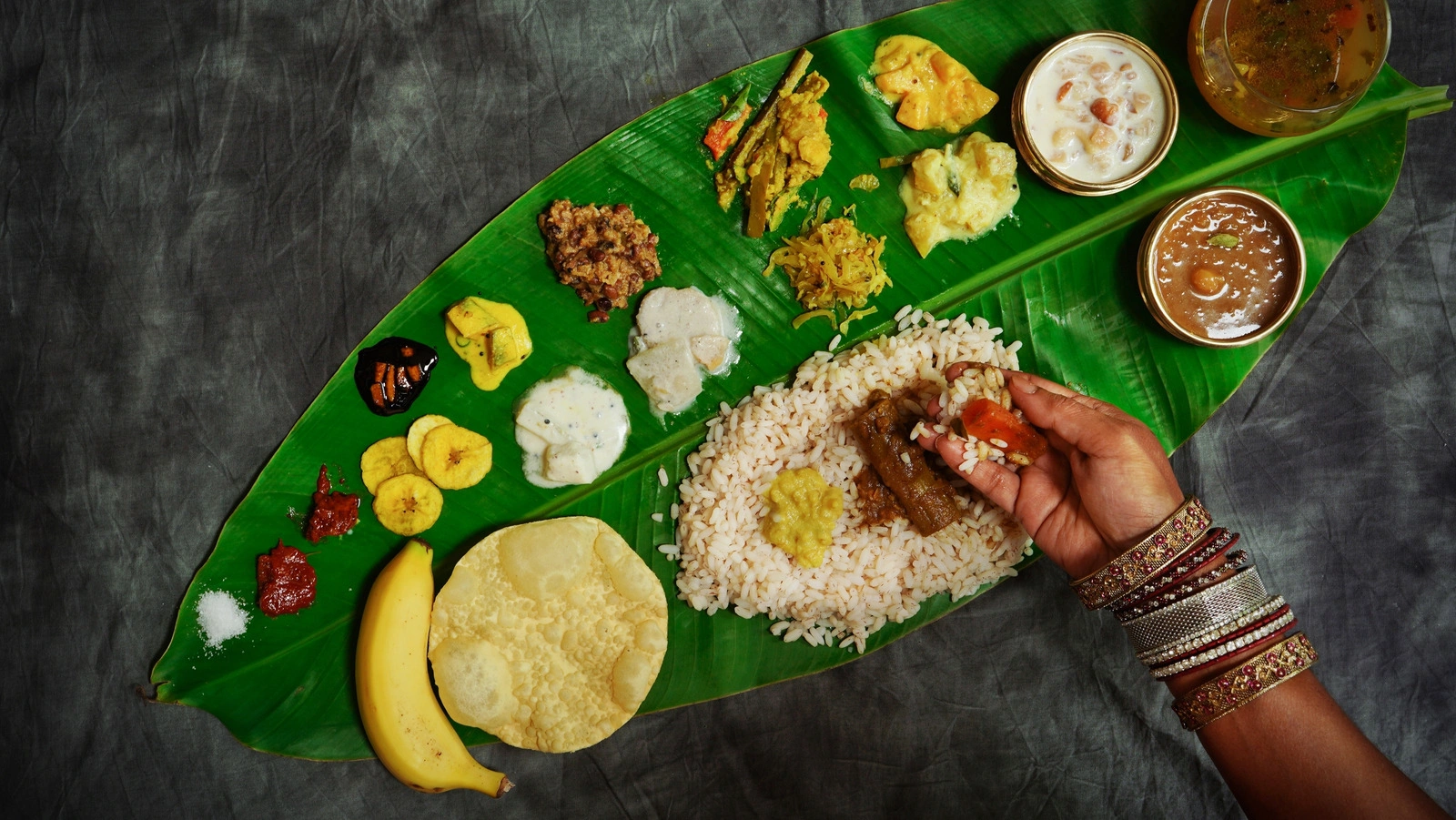
The Surprising Reason Indians Eat With Their Hands
The Surprising Reason Indians Eat With Their Hands | For many people around the world, eating with a fork, spoon, or knife is simply part of everyday life. In India, however, eating with the hands remains an important and meaningful tradition, particularly when enjoying many types of traditional food.
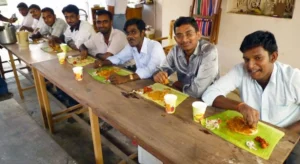
To someone unfamiliar with the practice, eating with the hands may seem unusual. But in Indian culture, it can be a deeply personal experience connected to food, tradition, sensory awareness, and hospitality.
So, why do Indians eat with their hands?
The answer is more interesting than simply saying that it is an old custom.
1. Eating With the Hands Is a Longstanding Tradition
India has an extremely diverse food culture, with traditions that vary across regions, communities, and families.
In many parts of the country, eating certain foods by hand has been practiced for generations.
Rice, dal, vegetables, breads, curries, and other dishes are often easier to combine and eat using the fingers.
For many people, this is simply the most natural way to enjoy traditional meals.
2. It Creates a Stronger Connection With Food
One commonly discussed reason for eating with the hands is the sensory experience.
When people eat with their fingers, they can feel the temperature, texture, moisture, and consistency of their food before it reaches their mouths.
A meal becomes a multi-sensory experience rather than something experienced only through taste and smell.
This can make eating feel more intentional and engaging.
3. Indian Meals Often Work Better Without Cutlery
The structure of many Indian dishes makes eating with the hands particularly practical.
Consider a meal containing rice, dal, vegetables, and curry.
Using your fingers allows you to combine small amounts of different foods into a single bite.
With rice-based meals, the fingers can help create a manageable portion and control the amount of sauce or curry in each bite.
Flatbreads such as roti and naan also naturally function as edible utensils.
Instead of using a fork to pick up food, diners can tear a piece of bread and use it to scoop up vegetables or curry.
4. The Right Hand Has Cultural Importance
In many Indian traditions, the right hand is traditionally associated with eating and other activities considered clean, while the left hand may be associated with personal hygiene.
This distinction is still observed in many households and social situations, although practices vary among individuals and communities.
As a result, eating with the right hand isn’t simply about convenience.
It can also reflect established cultural etiquette.
5. Hygiene Is Still Important
Eating with the hands doesn’t mean ignoring cleanliness.
In traditional settings, washing the hands before a meal is extremely important.
People typically wash their hands thoroughly before eating, especially when eating food directly with their fingers.
The idea is straightforward: if your hands are clean, using them as part of the eating process doesn’t necessarily make a meal less hygienic.
Modern dining environments may also provide hand-washing facilities specifically because eating with the hands is expected.
6. Ayurveda Offers Another Perspective
Indian traditions surrounding food are also influenced by Ayurveda, the ancient Indian system of health and wellness.
Within some Ayurvedic perspectives, the fingers are associated with the five elements and are believed to play a role in connecting the body with food.
The practice of eating with the hands can therefore be interpreted as part of a broader philosophy of mindful eating.
However, interpretations of Ayurveda vary, and not every Indian person eats with their hands for religious or Ayurvedic reasons.
For many people, the explanation is much simpler: that’s how they learned to eat certain foods.
7. It Can Encourage Mindful Eating
Eating with the hands may also encourage people to slow down and pay attention to their food.
You can feel the texture before taking a bite, mix ingredients carefully, and control the size of each portion.
This can make eating a more deliberate process.
Rather than immediately cutting food into pieces and moving it from plate to mouth, the hands become part of the interaction with the meal.
8. It’s About More Than Individual Meals
Food in India often has a strong social and cultural role.
Meals can bring families together, welcome guests, celebrate festivals, and mark important occasions.
Eating traditional food by hand can therefore be part of a larger cultural experience.
In some families, children learn the practice from their parents and grandparents.
Over time, the technique becomes second nature.
9. Not All Indians Eat With Their Hands All the Time
It’s important to avoid treating India as culturally uniform.
India is home to hundreds of languages, numerous religious traditions, and enormous regional diversity.
Some people regularly eat with their hands, while others frequently use spoons, forks, or other utensils.
The type of food also matters.
Foods such as rice and curry may traditionally be eaten by hand in some settings, while other meals may be eaten with cutlery.
Urban lifestyles, international restaurants, workplaces, and personal preferences have also influenced modern dining habits.
10. There Is a Proper Technique
Eating with the hands can look simple, but experienced diners often use a specific technique.
For rice-based meals, food is usually gathered using the fingers and palm rather than grabbing it with the entire hand.
The thumb can then help guide the food toward the mouth.
Good etiquette generally means keeping the fingers relatively clean and avoiding unnecessary contact with the food beyond what is needed.
Watching someone who has grown up eating this way can make the process look effortless.
11. It Can Make Food Feel More Personal
There is also an emotional element to eating with the hands.
Many people associate the practice with home cooking, childhood memories, family meals, and cultural identity.
A meal prepared by a parent or grandparent can carry memories that go far beyond its ingredients.
Eating it in a familiar traditional way can reinforce that connection.
In this sense, the practice isn’t merely about how food reaches your mouth.
It’s also about how people experience food as part of their identity.
12. Indian Cuisine Makes the Tradition Especially Practical
Indian cuisine includes an enormous variety of dishes that work naturally with hand-eating.
From biryani and rice dishes to curries, dal, roti, dosa, and many regional specialties, different foods lend themselves to different techniques.
In some cases, using the hands can actually make the meal easier to eat.
The diner can combine flavors in exactly the proportions they prefer.
That level of control is difficult to replicate with a fork.
So, why do Indians eat with their hands?
There isn’t one single answer.
The practice is connected to tradition, practicality, cultural etiquette, sensory experience, family habits, and, in some contexts, philosophical ideas about food and the body.
Most importantly, eating with the hands shouldn’t be viewed as an inferior alternative to using utensils.
For millions of people, it is simply a familiar and enjoyable way to eat.
Once you understand the tradition, the practice becomes less surprising.
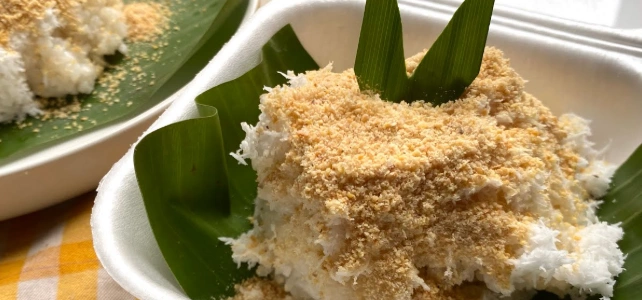
Ketan Bubuk Kedelai Predicted to Become a Culinary Trend in 2027
Ketan Bubuk Kedelai Predicted to Become a Culinary Trend in 2027 | Traditional Indonesian cuisine continues to attract attention as consumers look for authentic flavors and nostalgic food experiences. Among the many traditional snacks that could gain renewed popularity, ketan bubuk kedelai has the potential to stand out in 2027.
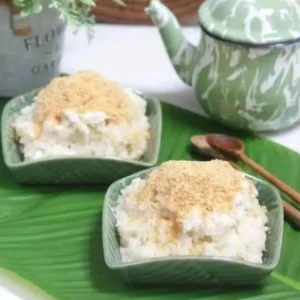
This simple yet flavorful dish combines soft sticky rice with roasted soybean powder and grated coconut. Its traditional character, affordable ingredients, and potential for modern presentation could make it an interesting culinary trend in the coming year.
What Is Ketan Bubuk Kedelai?
Ketan bubuk kedelai is a traditional Indonesian snack made from steamed sticky rice. The rice is typically served with grated coconut and savory soybean powder, creating a combination of soft, chewy, creamy, and slightly nutty flavors.
The soybean powder is one of the most distinctive parts of the dish. Roasted soybeans are ground into a fine powder and can be seasoned to create a richer taste. The combination of soybean powder and sticky rice gives the snack its characteristic flavor.
Although it is a simple traditional food, ketan bubuk has a strong connection with Indonesian culinary heritage and remains popular in several regions.
Why Could Ketan Bubuk Kedelai Become a Trend in 2027?
The growing interest in traditional Indonesian food could create new opportunities for ketan bubuk kedelai. Consumers are increasingly interested in foods that offer authentic flavors and a connection to local culture.
Ketan bubuk kedelai fits this trend because it has a recognizable traditional identity while also being flexible enough to receive a modern makeover.
Food businesses can introduce the snack through attractive packaging, creative toppings, smaller portions, and contemporary presentation without changing its basic character.
A Traditional Snack With Modern Appeal
One of the biggest advantages of ketan bubuk kedelai is its simplicity. The dish does not require complicated ingredients to deliver a distinctive flavor.
Modern food businesses could present it in a variety of ways. Individual serving boxes, premium packaging, bite-sized portions, and attractive plating could make the traditional snack more appealing to younger consumers.
The contrast between traditional flavors and modern presentation could become part of its appeal.
The Unique Flavor of Soybean Powder
Soybean powder gives ketan bubuk its signature taste. Roasting the soybeans creates a fragrant aroma and a naturally nutty flavor.
When combined with sticky rice and grated coconut, the soybean powder creates a balanced taste that can be enjoyed as a breakfast item, afternoon snack, or companion to coffee and tea.
Its distinctive flavor also gives culinary entrepreneurs an opportunity to develop their own signature seasoning.
Opportunities for Creative Variations
If ketan bubuk kedelai becomes more popular in 2027, creative variations could help introduce it to a wider audience.
Traditional soybean powder could be combined with different seasonings to create new flavor profiles. Sweet and savory combinations could also be introduced for consumers who are unfamiliar with the original version.
Other possibilities include adding modern toppings while keeping the sticky rice and soybean powder as the main elements.
The key is to innovate without removing the identity that makes ketan bubuk special.
Ketan Bubuk and the Nostalgia Factor
Nostalgia is another reason traditional foods can become popular again. Many Indonesian consumers have memories of traditional snacks from childhood, family gatherings, local markets, and village celebrations.
Ketan bubuk can benefit from this emotional connection. For older consumers, it can bring back familiar memories, while younger consumers can discover it as a traditional food with a unique story.
This combination of nostalgia and discovery can make traditional snacks attractive in the modern culinary market.
Potential for Small Culinary Businesses
Ketan bubuk kedelai could also provide opportunities for small food businesses and home-based entrepreneurs.
Its relatively simple ingredients make it suitable for small-scale production. Entrepreneurs can focus on branding, packaging, presentation, and social media marketing to differentiate their products.
A traditional snack can become more competitive when it is presented as an affordable yet distinctive food product.
This could make ketan bubuk an interesting option for food stalls, cafes, traditional markets, and online food businesses.
Social Media Could Boost Its Popularity
Visual presentation has become an important part of modern food marketing. Traditional food can attract significant attention when presented in an appealing way.
Ketan bubuk kedelai has several visual elements that could work well for social media content. The white sticky rice, grated coconut, and brownish soybean powder create a simple but recognizable appearance.
Creative packaging and short-form food videos could introduce the snack to people who may never have encountered it before.
Preserving Tradition Through Innovation
Modernizing ketan bubuk does not mean abandoning its traditional identity. Instead, innovation can help preserve the food by making it relevant to new generations.
The basic recipe, ingredients, and traditional flavor can remain the foundation. Changes can focus on presentation, portion size, packaging, and additional variations.
This approach allows traditional Indonesian food to evolve while maintaining its cultural character.
Is Ketan Bubuk Kedelai Really Going to Be a 2027 Trend?
It is important to remember that the prediction is not a certainty. Culinary trends can change quickly depending on consumer preferences, social media exposure, restaurant concepts, and the creativity of food businesses.
However, ketan bubuk kedelai has several qualities that could support its growing popularity. It is traditional, relatively simple, affordable, distinctive, and adaptable.
If more culinary entrepreneurs begin introducing the snack through modern concepts, its visibility could increase significantly in 2027.
The Future of Traditional Indonesian Food
The potential rise of ketan bubuk kedelai reflects a larger movement toward rediscovering traditional Indonesian cuisine.
Indonesia has a wide variety of regional foods that could be introduced to younger generations through modern branding and presentation. Traditional snacks do not necessarily have to compete with modern food by becoming completely different.
Instead, they can remain authentic while adapting to changing consumer habits.
Ketan bubuk kedelai could be one example of how a simple traditional snack can find a new audience in the modern culinary industry.
Ketan bubuk kedelai could become an interesting culinary trend in 2027. Its combination of soft sticky rice, roasted soybean powder, and grated coconut provides a distinctive traditional flavor that can appeal to both nostalgic consumers and younger food enthusiasts.
Its potential does not come only from its taste. Modern packaging, creative variations, social media marketing, and contemporary presentation could help introduce ketan bubuk to a much wider audience.
Although it is too early to say that ketan bubuk kedelai will definitely become a major culinary trend, its traditional character and potential for innovation make it a food worth watching in 2027.