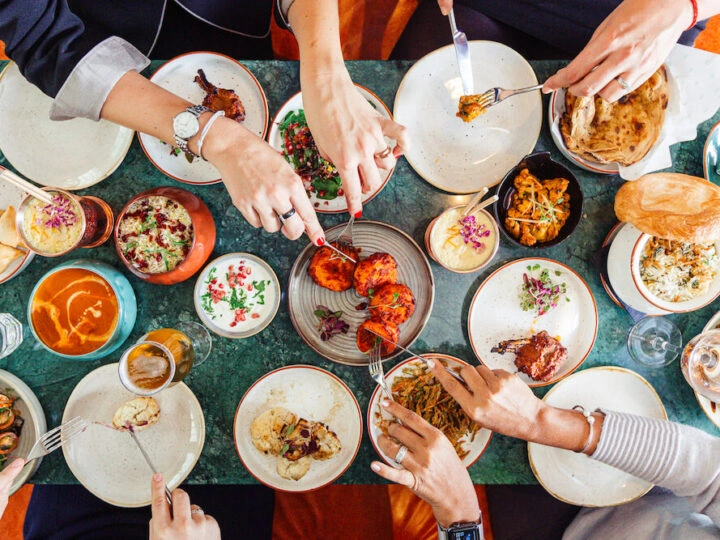
Bangalore Food Guide: 5 Must-Try Iconic Dishes
Bangalore Food Guide: 5 Must-Try Iconic Dishes | The pulse of Bangalore—now officially known as Bengaluru—is often identified with the sparkle of the tech industry, soaring skyscrapers, and the signature traffic of a bustling metropolis. However, behind its status as Asia’s Silicon Valley, this city preserves a culinary romance that stands in beautiful contrast to its modernization. Along its shaded, narrow alleys, the aroma of melting butter on iron griddles blends seamlessly with the fragrance of freshly poured filter coffee being stretched in brass tumblers.
Exploring Bangalore’s food scene feels like stepping into a time machine. In one corner, you will find legendary, century-old eateries serving South Indian vegetarian breakfasts with lightning speed. In another, plumes of steam rising from massive cauldrons filled with spiced rice and mutton stand ready to satisfy meat lovers.
The combination of southern vegetarian breakfast traditions, fiery military hotel heritage, and melt-in-your-mouth sweets makes the city’s culinary map incredibly rich. If you are planning a flavor-packed adventure to the capital of Karnataka, here is an in-depth guide to the iconic dishes that deserve a spot on your food bucket list.
The Pulse of Darshini Culture and the Breakfast Ritual
Any conversation about Bangalore’s food scene is incomplete without mentioning the “Darshini.” This term refers to a widespread concept of quick-service vegetarian eateries found on almost every street corner. In these establishments, there is no room for lounging. The concept is straightforward: pay, collect your food, and enjoy your meal while standing at high tables.
This highly efficient system was born out of the needs of the city’s dynamic workforce who still craved the authentic taste of a home-cooked breakfast. It is here that two legendary items, Benne Dosa and Bisi Bele Bath, reign supreme.
Benne Dosa: A Golden Delicacy Born from Rich Butter
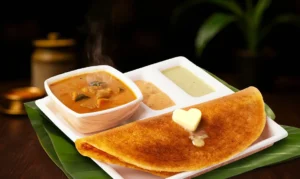
While dosa is a staple found across South India, Bangalore boasts its own highly addictive version: the Benne Dosa. The word benne in the local Kannada language translates to pure butter. Though this dish originally traces its roots to the town of Davanagere, it has been flawlessly adopted into the daily food culture of Bangalore.
Unlike dosas from other regions that tend to be paper-thin and entirely crispy like a crepe, Benne Dosa possesses a unique dual texture: beautifully crisp on the outside while remaining soft and slightly thick on the inside. The secret lies in the fermentation of the rice and lentil batter, combined with a lavish amount of butter ladled onto the hot iron griddle during cooking.
When served, a Benne Dosa usually cradles a large scoop of potato palya (spiced mashed potatoes) inside and is accompanied by a fresh, spicy coconut chutney. The rich butter soaking through the golden crust, meeting the warmth of the spiced potatoes, creates a harmonious flavor profile that leaves a lasting impression from the very first bite.
Bisi Bele Bath: Soul-Warming Comfort Packed with Spice
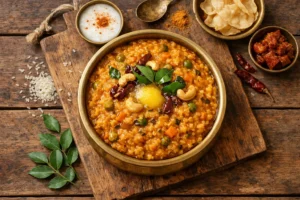
If you are looking for a morning meal that offers comfort and satisfaction during Bangalore’s cool mornings, Bisi Bele Bath is the answer. Literally translating to “hot lentil rice,” this is one of the most sacred traditional dishes in Karnataka’s culinary history, with roots that stretch back to the royal kitchens of the Mysore Palace.
Crafting Bisi Bele Bath requires a precise understanding of spice blending. Rice, lentils (toor dal), and an assortment of vegetables like carrots, French beans, and peas are slow-cooked together until they reach a porridge-like, velvety consistency.
The magic lies in a specialized spice blend known as bisi bele bath powder, featuring cardamom, cloves, cinnamon, cumin, coriander, and dried red chilies. Just as it finishes cooking, the dish receives a generous tempering of hot ghee infused with cashew nuts and fresh curry leaves. The resulting flavor is a complex interplay of heat, a slight tang from tamarind, and a deep, savory richness. Enjoying a hot bowl of Bisi Bele Bath topped with a handful of crunchy boondi (fried chickpea flour droplets) is a deeply satisfying breakfast ritual.
Exploring the Spice Trails of Military Hotels and Donne Biryani
Shifting away from vegetarian breakfast menus, Bangalore also possesses a robust, meat-centric side to its culinary identity. This side is proudly upheld by the city’s legendary “Military Hotels.” Despite the name, these venues are not lodging hotels, but rather historic dining institutions serving intensely spiced, non-vegetarian fare.
History suggests these eateries originally opened in the 17th century to provide high-energy, protein-rich meals to soldiers—specifically Maratha warriors and later British troops. Today, meat enthusiasts gather in these rustic settings for rich mutton curries and, most notably, the legendary Donne Biryani.
Donne Biryani: Coriander-Infused Aromas in Traditional Earthy Bowls
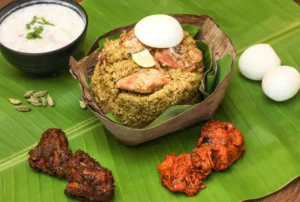
Amid the global fame of various Indian biryanis, such as the Hyderabad or Lucknow styles, Bangalore’s Donne Biryani firmly holds its unique ground. The first striking difference is the rice itself. While other styles favor long-grained basmati, Donne Biryani utilizes a local short-grain rice variety called Seeraga Samba or Chitti Muttu. This particular grain excels at absorbing heavy broths and spices.
The second distinction is its flavor profile. The base marinade for Donne Biryani is dominated by a vibrant green paste made of fresh coriander, mint leaves, green chilies, ginger, and garlic. This infuses the rice with a distinct greenish hue and a remarkably fresh, herbal aroma. The meat (usually chicken or mutton) is layered with the rice and slow-cooked using the dum method, sealing the pot to trap the steam.
The dining experience is elevated by how it is served: inside a donne, a traditional eco-friendly bowl fashioned from dried plantain or palash leaves. This natural vessel reacts to the heat of the steaming rice, releasing an earthy fragrance that completes the rustic charm of the meal. The tender meat, deeply seasoned grains, and leaf-bound aroma deliver a thoroughly grounded culinary experience.
A Sweet Touch from the Heritage Kitchen
After treating the palate to rich butter and sharp spices, a culinary journey through Bangalore must conclude on a sweet note. In the local food philosophy, sweets are not merely desserts; they represent blessings, hospitality, and celebration.
Holige: Sweet, Delicate Silk That Melts Away
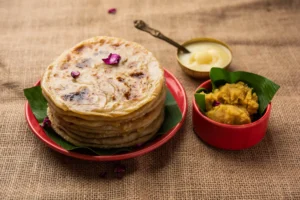
The sweet dish that occupies the highest tier in the hearts of Bangaloreans is Holige (also known as Obbattu or Puran Poli in neighboring regions). This delicacy structurally resembles a thin, delicate flatbread, yet it holds a sweet, rich filling and boasts an incredibly soft texture.
Making Holige demands a highly practiced hand. The outer dough is made from refined flour kneaded extensively with oil until it becomes exceptionally pliable. Meanwhile, the sweet stuffing (called hoorana) consists of boiled chana dal mashed smoothly and cooked down with unrefined jaggery and aromatic cardamom powder.
The filling is encased in the dough, then carefully flattened by hand over a greased leaf or parchment paper until it forms a remarkably thin disc. The Holige is then toasted on a dry, flat griddle until golden spots appear.
The definitive way to savor Holige is while it is still warm. Just before taking a bite, pour a generous spoonful of warm, melted ghee over it. As you tear a piece away, the whisper-thin crust gives way to the velvety jaggery filling, melting effortlessly in your mouth. The natural sweetness of the jaggery combined with the fragrance of cardamom and the richness of ghee creates a luxurious finale to your food tour.
What Makes Bangalore’s Culinary Scene So Enduring?
The true strength of Bangalore’s food landscape lies in its consistency. In a city where millions rely on AI-driven food delivery apps daily, heritage eateries like Vidyarthi Bhavan, MTR (Mavalli Tiffin Room), and Shivaji Military Hotel still see massive queues of people willing to wait hours for a taste that has remained unchanged for decades.
The city’s food reflects the character of its people: inclusive, warm, and respectful of time-honored processes. From the simplicity of a filter coffee at a neighborhood Darshini to the complex spice layers of a Donne Biryani, every dish tells a story of history, geography, and living culture.
Discovering Bangalore through its flavors offers a fresh perspective: this city is far more than just a digital tech hub. It is a vast cultural space where the traditions of the past are actively preserved, celebrated, and proudly served on the tables of the present.
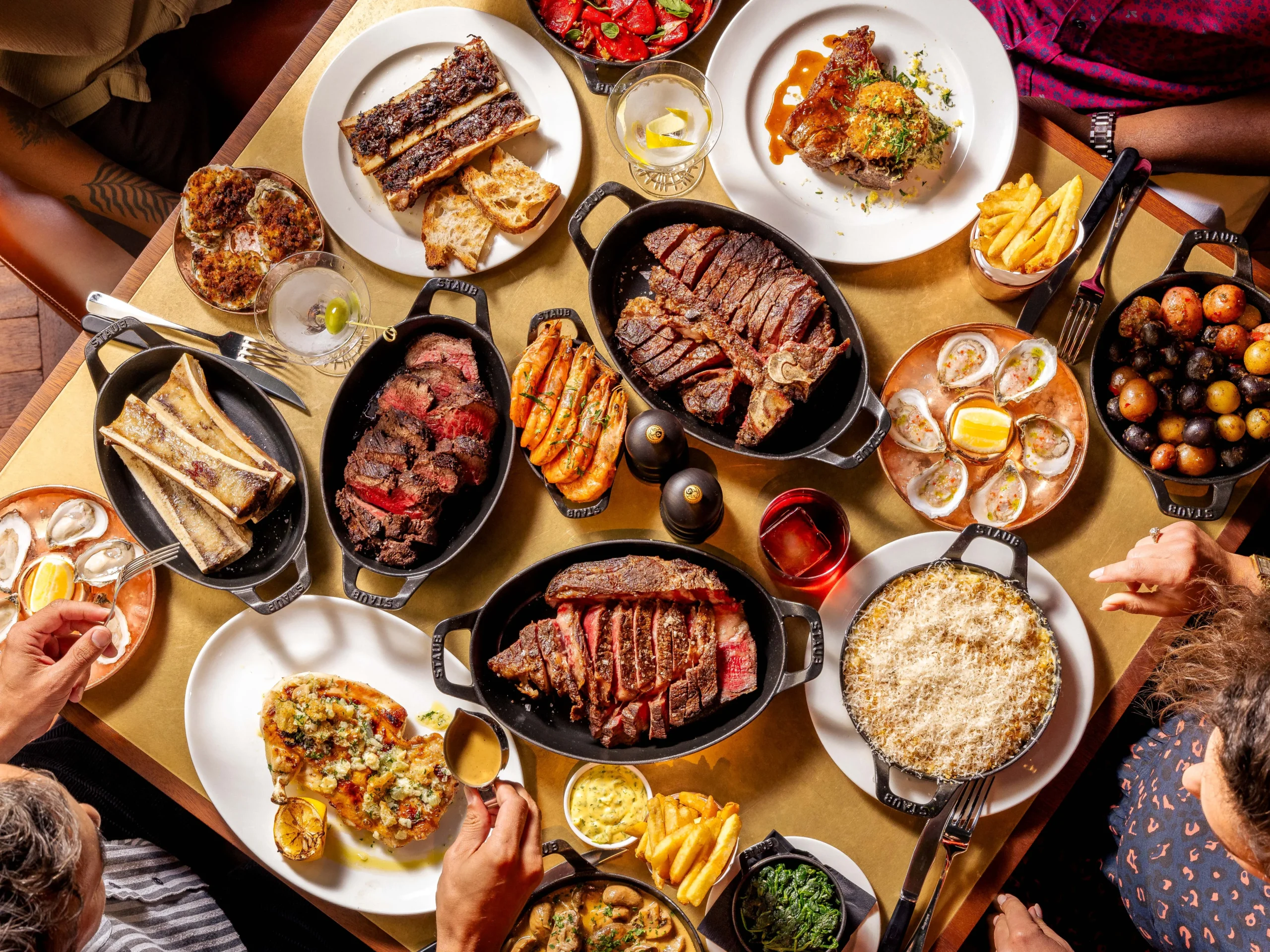
Tafari’s Kitchen: The Newest Local Food Icon in Chicago
Tafari’s Kitchen: The Newest Local Food Icon in Chicago | Chicago’s South Side has long been celebrated for its profound cultural and historical roots. Recently, however, this vibrant area has undergone an extraordinary transformation driven by a major new landmark: the Obama Presidential Center. Far from being just a monument to the legacy of the 44th U.S. President, this grand complex serves as the heart of a fresh ecosystem reviving the local economy, tourism, and most notably, the neighborhood’s culinary scene.
The arrival of this presidential center has sparked the growth of a modern tourism hub. Visitors are no longer coming just for historical archives or striking architecture; they are also arriving to immerse themselves in authentic culinary adventures. By seamlessly integrating deeply curated dining experiences, the area successfully offers meals filled with stories, traditions, and community diversity.
A New Tourism Magnet on Chicago’s South Side
Exploring a historic destination feels incomplete without tasting the flavors that thrive around it. The masterminds behind the center clearly understood this concept. Right from the early planning stages, blending historical narratives with local dining experiences was a core pillar. This strategic approach ensures that the economic impact of incoming international and domestic tourists directly benefits small business owners in the surrounding neighborhood.
In the past, tourists often left the neighborhood immediately after viewing an exhibition. Today, the atmosphere is completely different. The visitor journey has shifted. After soaking in the history, travelers now direct their steps toward the array of cafes, diners, and restaurants popping up around the complex. This phenomenon creates a self-sustaining tourism ecosystem where food acts as a cultural bridge connecting the past to the present.
Revitalizing Local Identity One Dish at a Time
The true strength of this budding culinary hub lies in its fierce commitment to local identity. Instead of being dominated by global fast-food franchises, the area serves as a prime stage for neighborhood chefs, minority entrepreneurs, and family-owned businesses. This refreshing approach offers a stark, welcoming contrast to the highly commercialized nature of modern tourism.
Every eatery in this district carries its own unique narrative. The dishes served are not mere commercial commodities, but true representations of the diverse cultural roots of the South Side community. From spice-rich African-American soul food and classic Chicago staples to eco-friendly contemporary creations, there is something to satisfy every food enthusiast. This effort successfully elevates the neighborhood’s dining reputation from standard tourist fare to an exclusive, high-value culinary experience.
Tafari’s Kitchen: A Symbol of Community Culinary Renaissance
Among the many new dining spots making waves, one name has captured significant attention: Tafari’s Kitchen. This establishment has rapidly evolved into a must-visit culinary icon for travelers exploring the area. Its presence perfectly embodies the original vision of the presidential complex—bringing local talent and potential to the global stage.
The menu at Tafari’s Kitchen focuses on authentic dishes bursting with traditional spices, blending cross-generational culinary heritage with a modern twist that delights the palate. Utilizing fresh ingredients largely sourced from local farmers, every plate is served with the warmth of a home-cooked meal executed to world-class presentation standards.
For visitors, dining here is much more than just a quick bite after a long day of sightseeing. It is an act of cultural appreciation. Warm interactions with the staff, detailed stories behind each menu item, and an atmosphere deeply rooted in community make a lunch or dinner here feel deeply personal and incredibly memorable.
Uplifting the Creative Economy Ecosystem
The birth of this culinary hub around the tourist complex brings a massive wave of fresh energy to the local economy. The food sector has proven to be an incredibly fast driver for job creation, offering opportunities ranging from chefs and front-of-house staff to positions within the local ingredient supply chain. Neighborhood business owners who once struggled to reach a broader market now enjoy direct access to thousands of tourists visiting each week.
Furthermore, this development fosters a healthy sense of competition. Business owners are motivated to constantly innovate—whether through taste refinement, customer service excellence, or adopting modern payment and digital marketing technologies. Consequently, the food industry standards in the area have soared, placing it on par with older, well-established dining districts in downtown Chicago.
The Future of Community-Based Culinary Tourism
The success story unfolding on Chicago’s South Side offers a valuable lesson for global travel trends. The future of the travel industry no longer relies solely on visual aesthetics or monumental buildings. Modern consumers, particularly younger generations, seek emotional connections and absolute authenticity from the places they visit.
Marrying a historical education center with the empowerment of local food culture has proven to be a highly effective formula. This model not only extends the time tourists spend at a destination, but it also ensures that tourism revenue flows directly into the pockets of the community, rather than just large corporations.
For anyone planning their next journey or keeping an eye on global food trends, Chicago’s South Side has transformed into an absolute bucket-list destination. The combination of deep historical roots and mouth-watering local culinary innovations, like those found at Tafari’s Kitchen, delivers a complete travel experience—intellectually fulfilling and deeply satisfying for the culinary soul.
The Art of Solo Dining: A Masterclass in Culinary Self-Care
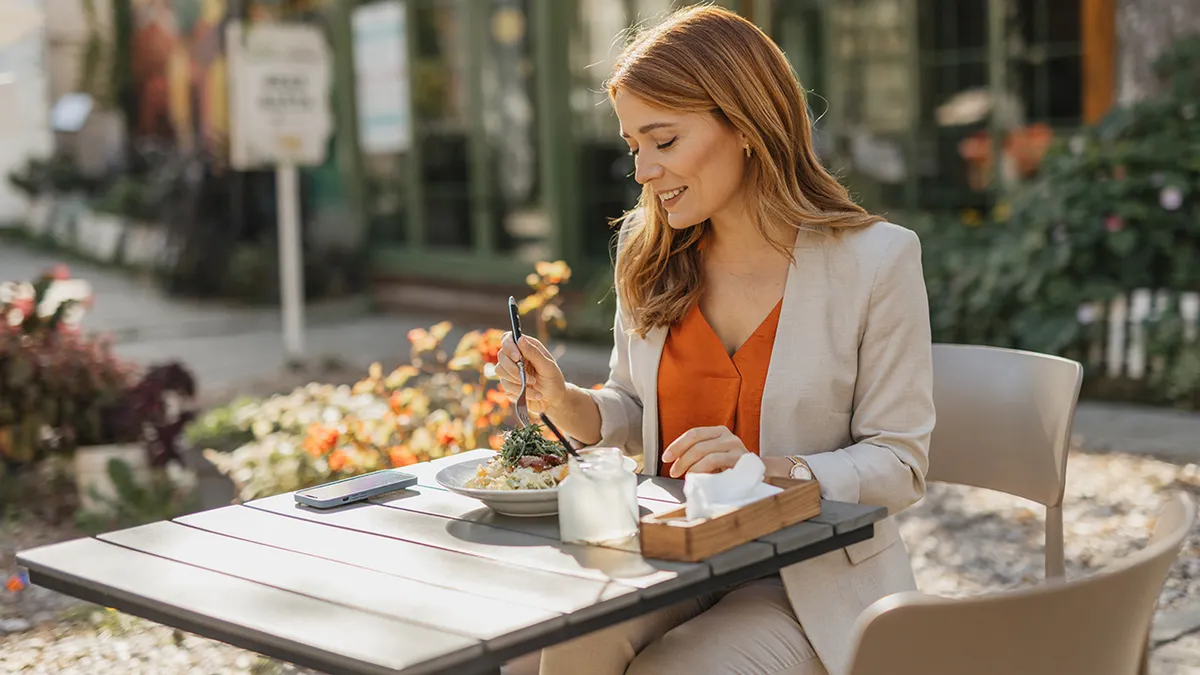
The Art of Solo Dining: A Masterclass in Culinary Self-Care | A few years ago, walking into a high-end restaurant alone might have drawn sympathetic glances or an awkward vibe from the staff. There used to be an unwritten social rule that restaurant tables were meant for pairs or groups. However, the global dining culture has shifted dramatically. Today, stepping into a restaurant, raising a single finger when the host asks “How many?”, and enjoying a meal in peace has transformed into a liberating, sophisticated, and highly sought-after lifestyle trend.
Eating alone—popularly known as solo dining—is no longer an indicator of loneliness. Instead, it has been redefined as one of the most honest and rewarding forms of self-care. In a fast-paced modern world where we are constantly tethered to digital screens and social obligations, carving out an hour to sit at your favorite restaurant without interruption is a true luxury. It is a rare moment where you hold absolute control over your time, your palate, and your personal space.
Why Solo Dining is the Ultimate Form of Self-Care
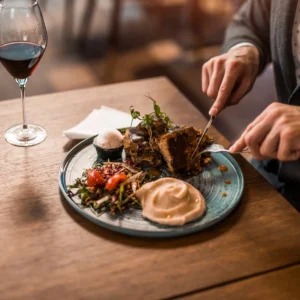
When we dine with others, our focus is often split between chewing our food and keeping the conversation flowing. We compromise on which restaurant to visit, what family-style dishes to share, and how to split the bill at the end of the night.
Solo dining breaks all those boundaries, offering a few essential freedoms:
Total Control Over Your Palate
You no longer have to debate whether you want seafood or Italian tonight. There is no guilt or judgment if you decide to order two desserts instead of an appetizer. You hold full authority over what goes onto your plate.
Awkward-Free Financial Freedom
The most tedious part of group dining often happens when the check arrives. Calculating who ordered what, splitting shared plates, or overpaying for a meal you barely touched is entirely eliminated. You only pay for what you consume—period.
A True Mindfulness Experience
Without the distraction of another person’s conversation, your senses naturally sharpen. You can truly appreciate the steam rising from a bowl of artisanal soup, the texture of slow-cooked meat, and the visual presentation crafted by the chef. Eating alone trains us to be fully present in the moment.
Master Strategies for the Perfect Solo Dining Experience
Deciding to go out alone is one thing, but maximizing the experience so it feels elegant and comfortable requires a few insider tactics. Whether you are a first-timer or looking to elevate your next solo culinary adventure, here are practical guidelines to follow:
1. Make the Bar and Chef’s Counter Your Throne
For solo food enthusiasts, the bar area or the counter facing an open kitchen is universally considered the best seat in the house. Here is why:
-
Skip the Long Reservation Lines: Regular tables are usually prioritized for groups or couples. Single bar seats, however, are highly flexible and often available for walk-ins, even at fully-booked hotspots.
-
Casual Social Interaction: Sitting at the bar removes any feeling of isolation. You can chat casually with the bartender about their cocktail curations or watch the chefs demonstrate their culinary skills right in front of you.
-
Dynamic Atmosphere: The bar area carries a livelier energy, making you feel like a part of the restaurant’s buzz without being the center of attention.
2. Leverage Apps to Score Premium Walk-Ins
Modern technology has made the culinary ecosystem incredibly smooth for solo explorers. Utilizing table-booking apps like OpenTable or Resy is a smart move that many overlook.
Restaurant reservation algorithms are designed to find “micro-gaps” in a crowded floor plan. When a two-person table cannot be filled, or a last-minute cancellation occurs, the system happily grants it to a single diner. This is your golden ticket into highly rated, exclusive restaurants that usually have weeks-long waiting lists.
3. Bring a High-Quality, Non-Digital Companion
While the goal is to enjoy your own company, our immediate reflex when feeling awkward in public is to reach into our pockets and stare at our phones. Challenge this habit.
Instead, bring a physical book, an art magazine, or a pocket journal. Reading a book while sipping an espresso and enjoying a plate of fresh pasta projects an elegant impression. It shows you are someone intentionally dedicating time to themselves, not someone stranded without plans. Writing in a journal can also be an incredibly cathartic activity while waiting for your main course.
4. Practice the Fine Art of Savoring
The essence of pampering your taste buds alone is savoring—a positive psychology technique that encourages us to prolong and deepen the positive emotions of an experience.
When your food arrives, do not rush through it as if you are on a tight schedule. Take a pause. Inhale the aroma. Experience the first bite with full awareness. Chew slowly and try to identify the spices or techniques used behind the kitchen doors. When you slow down your dining rhythm, you are not just filling your stomach; you are paying the highest respect to the culinary art served before you.
Top Solo Dining Destinations in the United States
If you are traveling through or living in the United States, several major cities offer exceptional culinary ecosystems that warmly embrace the solo traveler. Here are a few iconic spots that deserve a place on your bucket list:
Gramercy Tavern — New York City, New York
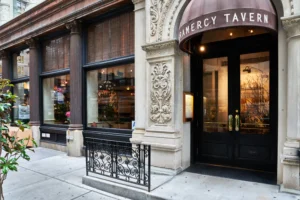
For anyone in Manhattan wanting to experience the warmth of contemporary American cuisine without the stuffiness of traditional fine dining, this is the spot. The restaurant features The Tavern Room up front, which operates on a walk-in-only basis. Its massive, historic wooden bar is incredibly welcoming to solo patrons, supported by professional bartenders who love sharing stories about their seasonal menus and drink pairings.
Swan Oyster Depot — San Francisco, California

For seafood lovers, this century-old legendary counter on the West Coast is absolute heaven. The charm of this place lies in its layout: it features only one long marble bar with about 20 antique stools, and zero regular tables. Arriving alone gives you a massive advantage here; it is much easier for the staff to slide a single diner into an opening seat amidst the notoriously long lines of people waiting for raw oysters and a cold glass of white wine.
Kabul House — Chicago (Skokie), Illinois
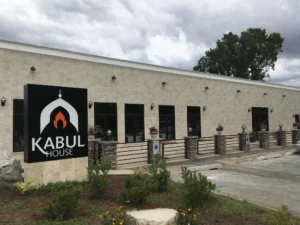
Moving to the Midwest, this restaurant serves authentic, upscale Afghan cuisine in a soothing atmosphere. The staff and owners are famous for treating every guest like close family. Their spice-rich dishes—like the Kaddo Borani (pan-fried then baked sweet pumpkin)—are presented beautifully, turning a solo meal into an intimate, celebratory feast.
República — Portland, Oregon
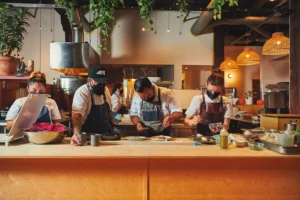
Portland is renowned for its progressive and inclusive food scene. República offers a deep, narrative-driven Mexican tasting menu that explores regional history. Snagging a seat at their counter gives you a front-row view of the culinary team. Each dish is served with a personal explanation of its cultural roots, providing an engaging, educational, and interactive experience for a solo diner.
Commander’s Palace — New Orleans, Louisiana
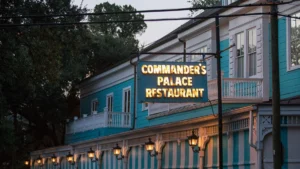
This legendary Garden District institution proves that formal dress-code dining can still be deeply accommodating to solo guests. The legendary Southern hospitality here is unmatched. The captains and servers are expertly trained to read a guest’s mood; they will happily chat with you about the history of their turtle soup, or give you absolute peace if you prefer to get lost in your book.
How to Spot Solo-Friendly Spots Anywhere in the World
You do not have to cross oceans to start this self-care ritual. To detect whether a restaurant near you is friendly to single diners, take a look at its architectural layout.
Establishments with open-kitchen concepts, traditional ramen booths, long communal tables, or Spanish tapas bars are highly ideal. These layouts are designed to respect personal space while maintaining a warm, inclusive ambient energy.
If you wish to experience a high-end tasting menu alone, the best trick is to book during off-peak hours, such as a weekday lunch or an early dinner seating. The restaurant staff will naturally have more time to provide personalized service, explain the nuances of each course, and ensure you feel completely pampered.
Conclusion: A Celebration of Independence
Ultimately, solo dining is a bold statement of self-worth. It breaks our dependency on the company of others just to enjoy the finer things in life. Having the confidence to walk into a restaurant and order an exquisite meal for one is a beautiful indicator of emotional independence and maturity.
This lifestyle choice is not about social withdrawal; it is about recharging your inner battery, which is so often drained by external noise. So, open your reservation app, pick that restaurant you have been dreaming about, and claim your seat at the bar. Treat yourself to a spectacular appetizer, an exquisite drink, and enjoy one of the best conversations you will ever have: a peaceful, silent dialogue with yourself. Bon appétit!
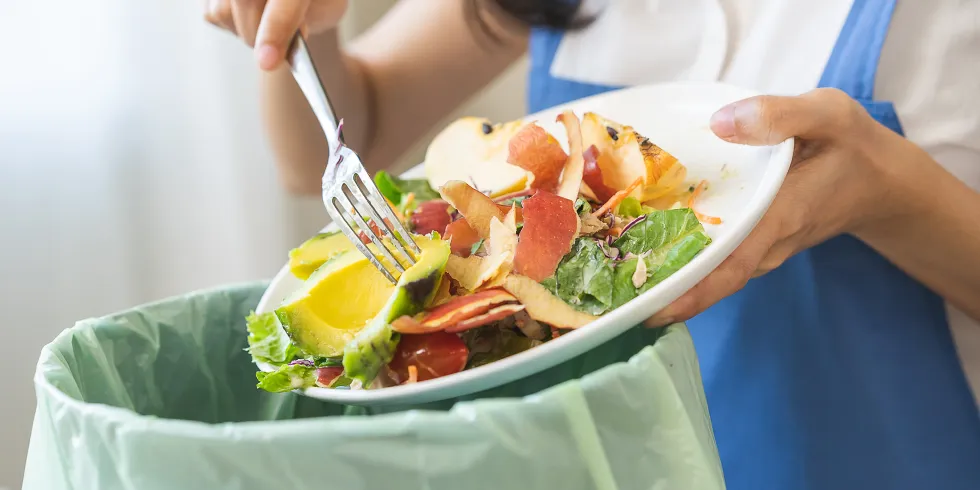
How Modern Restaurants Cut Costs Through Zero-Waste
How Modern Restaurants Cut Costs Through Zero-Waste | Food waste is no longer just an environmental issue filling up landfills. For the global food and beverage industry, wasting ingredients is identical to throwing away operational budgets. Amid rising eco-consciousness and the demand for business efficiency, many dining establishments are shifting their perspectives. Kitchen waste is no longer viewed as an inevitable byproduct of cooking, but rather as a major opportunity to cut costs while protecting the planet.
The new direction of the culinary industry focuses on three main pillars: preventing overproduction from the start (source reduction), repurposing leftover scraps into new dishes (upcycling), and redistributing unsold surplus food (surplus redistribution).
1. Smart Inventory Management Behind the Scenes
The most effective way to tackle waste is to ensure ingredients never spoil in the storage room. Modern restaurants no longer rely on manual guesswork; instead, they turn to technology-driven tracking systems.
-
Automated Tracking: The use of specialized software helps managers monitor ingredient levels in real-time. By analyzing historical sales data, the system accurately predicts order volumes, eliminating the risk of over-purchasing.
-
The FIFO Principle (First-In, First-Out): This classic kitchen rule remains vital. Ingredients that arrive first are placed at the front so they are used before their expiration dates.
-
Batch Prep Systems: Instead of chopping and preparing massive amounts of ingredients in the morning, modern kitchens prep components in smaller, rolling batches throughout the day. This strategy maintains freshness while preventing premature spoilage during slow business hours.
2. Menu Engineering and the “Root-to-Stem” Movement
The kitchen is where culinary art meets operational efficiency. Chefs today are challenged to design menus creatively to minimize plate waste from customers.
Minimalist menu concepts are rapidly gaining popularity. By streamlining menu options and using overlapping ingredients, restaurants ensure that all inventory rotates quickly.
Furthermore, the “root-to-stem” cooking trend is on the rise. Vegetable trimmings that used to go straight to the bin are now transformed into rich, savory stocks. Potato or carrot peels are turned into crispy garnishes for main courses. Even juice pulp from the bar is frequently repurposed into thick, flavorful glazes.
To minimize leftover food on tables, some restaurants also offer flexible portion sizes. Customers have the option to request smaller portions or order shareable side dishes.
3. Surplus Food Redistribution and Composting
What happens when food is already prepared but remains unsold near closing time? Instead of tossing it away, technology and social collaboration offer a smart solution.
Through food rescue apps like Treatsure or similar local initiatives, restaurants can sell excess buffet dishes or baked goods at a steep discount before closing. This steps attracts budget-conscious foodies while saving perfectly good meals from being wasted.
For untouched, safe surplus food, partnering with local food banks like Food from the Heart is the best way to distribute meals to those in need. Meanwhile, for organic waste that is genuinely inedible, on-site composting serves as the ultimate solution. The resulting compost can be used to nourish the restaurant’s landscaping or donated to local community gardens.
Embracing a Greener Culinary Future
Restaurants that successfully adopt these eco-friendly systems prove that caring for the planet does not hurt the bottom line. On the contrary, maximizing ingredient efficiency actually boosts profit margins. Ultimately, this green movement is not just a passing lifestyle trend—it is the new standard defining the future of the culinary business.