Balut in the Philippines: A Cultural Delicacy or Haram Food?
Balut in the Philippines: A Cultural Delicacy or Haram Food? | Balut is one of the Philippines’ most famous and controversial foods. For many Filipinos, it is more than just a street food. It is part of local food culture, often associated with tradition, curiosity, and the experience of trying something uniquely Filipino.

For Muslim consumers, however, balut raises a different question: Is balut halal or haram?
The answer requires looking at both the cultural background of balut and the Islamic rules concerning animals, slaughter, and food consumption.
What Is Balut?
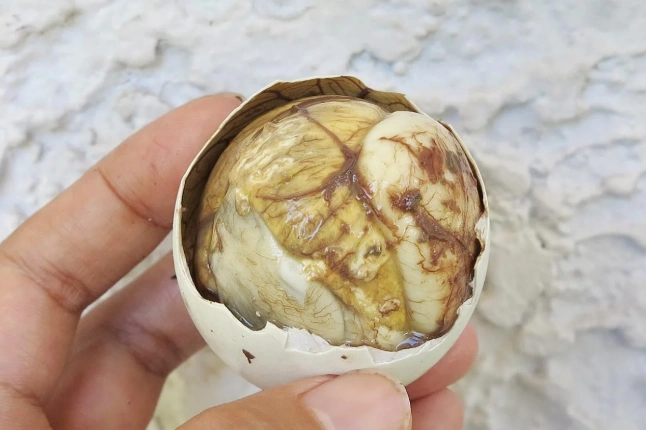
Balut is a fertilized duck egg that has been incubated for a period of time before being boiled and eaten. Inside the shell, the developing embryo has formed to varying degrees depending on how long the egg has been incubated.
It is commonly sold as a street food in the Philippines and is traditionally eaten directly from the shell. Some people season it with salt, vinegar, chili, or other condiments.
Balut has become internationally known because of its unusual appearance and preparation. However, for Filipinos who grew up with it, balut can simply be a familiar part of local food culture.
Why Is Balut Popular in the Philippines?
Balut has a long-standing place in Filipino food traditions. It can be found at markets, roadside stalls, and other informal food settings, particularly in the evening.
Its popularity comes from several factors.
First, balut is inexpensive and convenient. Second, it is considered a source of protein. Most importantly, it has become part of the cultural identity surrounding Filipino street food.
For some Filipinos, eating balut is also a social experience. Visitors may be encouraged to try it as a way of experiencing local cuisine.
Is Balut Halal or Haram?
For Muslims, the question is more complicated than simply asking whether duck eggs are halal.
In general, eggs from halal animals can be permissible to consume. Ducks themselves are generally considered halal animals. However, balut contains a developing embryo, which creates a specific issue under Islamic dietary principles.
Different Islamic scholars and halal authorities may have different interpretations depending on the stage of development of the embryo and the applicable rules concerning animal life and slaughter.
Therefore, balut should not automatically be assumed to be halal simply because it comes from a duck.
Why Does the Embryo Matter?
The key issue is the developing embryo inside the egg.
A regular unfertilized duck egg is substantially different from a fertilized egg containing a developed embryo. As the embryo develops, questions arise about whether it is considered an animal that requires particular treatment under Islamic law.
This is why the halal status of balut can depend on factors such as the embryo’s development and the interpretation followed by a particular Muslim community or halal authority.
For someone who follows halal dietary rules strictly, it is therefore important to seek guidance from a recognized halal certification body or qualified Islamic scholar.
Does Cooking Make Balut Halal?
Cooking does not automatically change the halal status of food.
If a particular food is considered impermissible because of its ingredients or method of preparation, boiling, frying, or otherwise cooking it does not necessarily make it permissible.
With balut, the question concerns the nature and development of the embryo as well as the Islamic ruling applied to it.
This means that simply boiling the egg does not provide a universal answer to whether balut is halal.
Balut and Filipino Culture
Regardless of its religious status, balut has significant cultural importance in the Philippines.
Food is often closely connected to identity, family, tradition, and community. What may seem unusual to an outsider can have a completely different meaning for people who grew up eating it.
Balut is a good example of how food can tell a cultural story.
Its preparation, the way it is sold, and the way people eat it all contribute to its reputation as one of the Philippines’ most recognizable traditional foods.
Should Muslims Eat Balut?
Muslims who are unsure about balut should avoid making assumptions based solely on its appearance or reputation.
The safest approach is to check the guidance of a trusted halal authority or qualified Islamic scholar, particularly if the individual follows a specific school of Islamic jurisprudence.
Halal certification and religious guidance can also vary between countries and institutions. For this reason, a person looking for a definitive religious ruling should rely on an authoritative source rather than an informal internet claim.
Balut as a Cultural Experience
For non-Muslim visitors, balut can be an interesting introduction to Filipino culinary traditions.
However, it is important to approach the food respectfully. Balut is not simply a novelty or an unusual food challenge. It is a traditional food with cultural significance for many Filipinos.
Learning about its history and cultural role can make the experience more meaningful than simply focusing on its unusual appearance.
Balut represents the fascinating intersection of food, culture, tradition, and religion.
In the Philippines, it is widely recognized as a traditional delicacy and an important part of street-food culture. For Muslims, however, its status requires additional consideration because balut contains a developing duck embryo.
There is no need to treat the subject as a simple question of whether all balut is universally halal or universally haram. Islamic dietary rulings can depend on the details of the food and the interpretation of qualified authorities.
If you follow halal dietary requirements, the best approach is to consult a trusted Islamic scholar or recognized halal authority before consuming balut.
Ultimately, understanding balut means looking beyond the food itself. It offers a glimpse into Filipino culture while also showing how religious dietary principles can influence the way people experience food around the world.