Kembang Goyang and Semprong: The Story Behind Indonesia’s Traditional Snacks
Kembang Goyang and Semprong: The Story Behind Indonesia’s Traditional Snacks | Indonesia is famous for its rich culinary heritage, and traditional snacks are an important part of that cultural identity. Among the many traditional treats found across the country, Kembang Goyang and Semprong stand out for their distinctive shapes, textures, and preparation methods.
Both snacks are commonly associated with festive occasions, family gatherings, and traditional celebrations. Although they are simple in appearance, Kembang Goyang and Semprong carry stories about Indonesian cooking traditions that have been passed down through generations.
What Is Kembang Goyang?
Kembang Goyang is a traditional Indonesian snack made from a simple batter, usually containing rice flour or a combination of flour, sugar, coconut milk, and other ingredients.
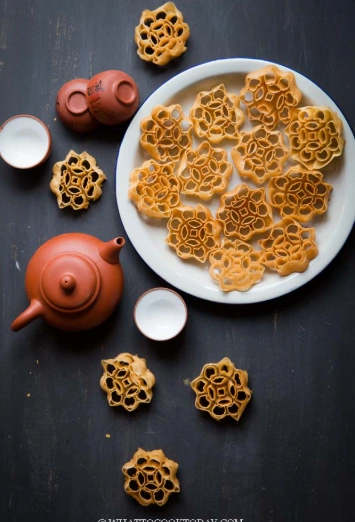
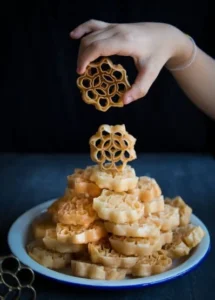
The name “Kembang Goyang” literally refers to a flower-like shape and the shaking motion used during the cooking process. A special mold is dipped into the batter and then placed into hot oil. The mold is gently shaken so that the batter separates and forms the characteristic flower shape.
The result is a light, crispy snack with an attractive appearance.
The Unique Shape of Kembang Goyang
One of the most recognizable features of Kembang Goyang is its decorative shape. The traditional mold creates a flower-like pattern that makes the snack visually appealing.
The technique requires patience and practice. If the batter does not stick properly to the mold, the snack may not form correctly. If it sticks too firmly, removing it can also become difficult.
This traditional cooking method is part of what makes Kembang Goyang special. The snack is not simply about taste but also about preserving an old culinary technique.
What Is Semprong?
Semprong is another popular Indonesian traditional snack known for its thin, crispy texture. It is usually made from a batter containing flour, eggs, sugar, and coconut milk.
The batter is cooked using a special mold or iron plate. Once cooked, the thin sheet is quickly rolled while it is still warm, creating its familiar cylindrical shape.
Semprong has a delicate crunch and a mildly sweet flavor. Some versions may also have a subtle coconut aroma, depending on the recipe.
The Story Behind Semprong
Semprong reflects the influence of traditional baking and snack-making techniques in Indonesian cuisine. The snack has been enjoyed by generations of families and is often served during celebrations or as a companion for tea and coffee.
Its preparation requires speed and precision. Once the batter becomes crisp, it must be shaped immediately before it hardens.
This process gives Semprong its characteristic rolled form and demonstrates the skill involved in making traditional Indonesian snacks.
Kembang Goyang and Semprong in Indonesian Culture
Traditional snacks such as Kembang Goyang and Semprong are more than everyday food. They can represent family traditions and memories.
In many households, recipes for traditional snacks are passed from parents or grandparents to younger generations. Preparing these snacks can become a shared activity, especially before holidays, weddings, and other special events.
The snacks may also be served to guests as part of Indonesian hospitality.
What Makes These Traditional Snacks Special?
There are several reasons why Kembang Goyang and Semprong remain interesting today.
1. Traditional Preparation Methods
Both snacks require specific techniques and tools. Their distinctive forms cannot be separated from the traditional cooking methods used to make them.
2. Simple Ingredients
Many traditional recipes use ingredients that are relatively simple, such as flour, sugar, eggs, and coconut milk. Despite their simplicity, these ingredients can produce snacks with unique flavors and textures.
3. Cultural Heritage
Traditional snacks preserve culinary knowledge. Recipes, cooking techniques, and serving traditions can continue from one generation to another.
4. Festive Associations
Kembang Goyang and Semprong are often connected with celebrations and special occasions. Their presence can bring back memories of family gatherings and traditional festivities.
Kembang Goyang vs. Semprong
Although both are crispy traditional snacks, they have noticeable differences.
| Feature | Kembang Goyang | Semprong |
|---|---|---|
| Shape | Flower-like | Rolled or cylindrical |
| Texture | Light and crispy | Thin and crunchy |
| Cooking method | Mold dipped and shaken in hot oil | Batter cooked on a mold or iron plate |
| Appearance | Decorative | Simple and elongated |
| Common flavor | Sweet, sometimes savory | Usually sweet with a mild coconut flavor |
These differences make each snack unique while showing the diversity of Indonesian traditional food.
Keeping Traditional Indonesian Snacks Alive
Modern snacks and international foods are increasingly popular, but traditional foods still deserve a place in everyday life.
One way to preserve Kembang Goyang and Semprong is simply to continue making and eating them. Families can teach younger generations how to prepare them, while small businesses can introduce traditional snacks to new customers.
Traditional snacks can also be presented in modern packaging without losing their original identity. This can make them more attractive to younger consumers while maintaining the recipes and techniques that define them.
Kembang Goyang and Semprong are two examples of Indonesia’s fascinating traditional snack heritage. Their distinctive shapes, crispy textures, simple ingredients, and traditional preparation methods make them memorable culinary treasures.
More importantly, these snacks tell a story about family, craftsmanship, celebration, and cultural continuity. By enjoying and sharing traditional foods, Indonesians can help ensure that culinary traditions such as Kembang Goyang and Semprong remain part of the country’s food culture for future generations.