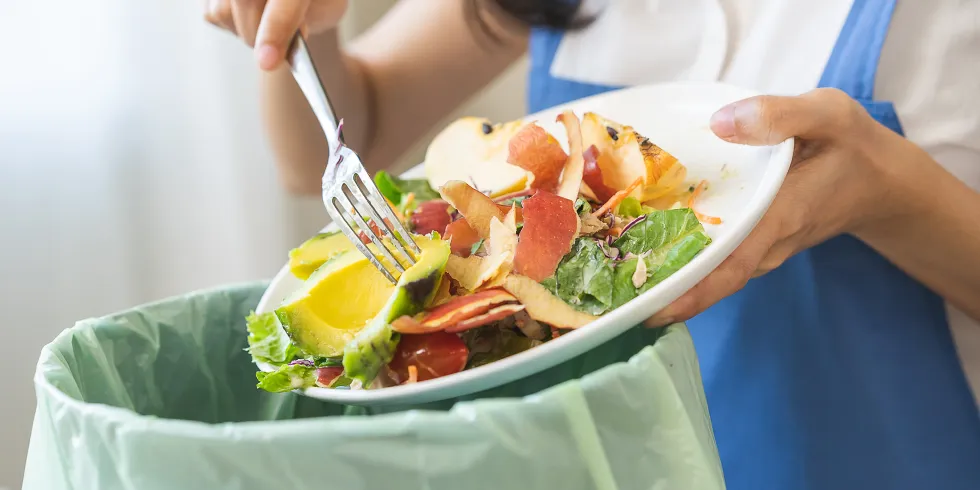
How Modern Restaurants Cut Costs Through Zero-Waste | Food waste is no longer just an environmental issue filling up landfills. For the global food and beverage industry, wasting ingredients is identical to throwing away operational budgets. Amid rising eco-consciousness and the demand for business efficiency, many dining establishments are shifting their perspectives. Kitchen waste is no longer viewed as an inevitable byproduct of cooking, but rather as a major opportunity to cut costs while protecting the planet.
The new direction of the culinary industry focuses on three main pillars: preventing overproduction from the start (source reduction), repurposing leftover scraps into new dishes (upcycling), and redistributing unsold surplus food (surplus redistribution).
1. Smart Inventory Management Behind the Scenes
The most effective way to tackle waste is to ensure ingredients never spoil in the storage room. Modern restaurants no longer rely on manual guesswork; instead, they turn to technology-driven tracking systems.
-
Automated Tracking: The use of specialized software helps managers monitor ingredient levels in real-time. By analyzing historical sales data, the system accurately predicts order volumes, eliminating the risk of over-purchasing.
-
The FIFO Principle (First-In, First-Out): This classic kitchen rule remains vital. Ingredients that arrive first are placed at the front so they are used before their expiration dates.
-
Batch Prep Systems: Instead of chopping and preparing massive amounts of ingredients in the morning, modern kitchens prep components in smaller, rolling batches throughout the day. This strategy maintains freshness while preventing premature spoilage during slow business hours.
2. Menu Engineering and the “Root-to-Stem” Movement
The kitchen is where culinary art meets operational efficiency. Chefs today are challenged to design menus creatively to minimize plate waste from customers.
Minimalist menu concepts are rapidly gaining popularity. By streamlining menu options and using overlapping ingredients, restaurants ensure that all inventory rotates quickly.
Furthermore, the “root-to-stem” cooking trend is on the rise. Vegetable trimmings that used to go straight to the bin are now transformed into rich, savory stocks. Potato or carrot peels are turned into crispy garnishes for main courses. Even juice pulp from the bar is frequently repurposed into thick, flavorful glazes.
To minimize leftover food on tables, some restaurants also offer flexible portion sizes. Customers have the option to request smaller portions or order shareable side dishes.
3. Surplus Food Redistribution and Composting
What happens when food is already prepared but remains unsold near closing time? Instead of tossing it away, technology and social collaboration offer a smart solution.
Through food rescue apps like Treatsure or similar local initiatives, restaurants can sell excess buffet dishes or baked goods at a steep discount before closing. This steps attracts budget-conscious foodies while saving perfectly good meals from being wasted.
For untouched, safe surplus food, partnering with local food banks like Food from the Heart is the best way to distribute meals to those in need. Meanwhile, for organic waste that is genuinely inedible, on-site composting serves as the ultimate solution. The resulting compost can be used to nourish the restaurant’s landscaping or donated to local community gardens.
Embracing a Greener Culinary Future
Restaurants that successfully adopt these eco-friendly systems prove that caring for the planet does not hurt the bottom line. On the contrary, maximizing ingredient efficiency actually boosts profit margins. Ultimately, this green movement is not just a passing lifestyle trend—it is the new standard defining the future of the culinary business.