Food and Cuisine in Historical Kingdoms Royal Dishes
Food and Cuisine in Historical Kingdoms Royal Dishes – Food has always been more than just nourishment—it has been a symbol of culture, status, and power. In historical kingdoms, cuisine was a way for royalty to display wealth, sophistication, and influence. The royal table often reflected the grandeur of the kingdom itself, combining exotic ingredients, elaborate preparation, and artistry in presentation. Exploring the food of historical kingdoms gives us a fascinating glimpse into the lifestyle, priorities, and even the politics of the past. From decadent feasts to signature dishes, royal cuisine played a central role in the lives of kings, queens, and their courts.
The Importance of Food in Royal Life
In historical kingdoms, food was a marker of social hierarchy. While the common people might have relied on simple grains, vegetables, and locally available meats, the royalty had access to ingredients from across the world. Spices, rare fruits, and imported delicacies were prized possessions and often showcased during royal banquets. Meals were not just about eating—they were a display of wealth, a reflection of the kingdom’s trade relations, and an opportunity to impress visiting dignitaries.
Royal chefs were highly respected and often trained in the art of both flavor and presentation. The dishes they created were not only delicious but visually stunning, with intricate garnishes and elaborate plating that symbolized the elegance of the court. These chefs often developed signature recipes that would become famous long after the reign of the king or queen who commissioned them.
Feasts and Banquets: The Heart of Royal Cuisine
Feasts were the centerpiece of royal dining. Banquets could last for hours or even days, featuring multiple courses that highlighted the wealth and reach of the kingdom. These feasts were carefully orchestrated affairs, with musicians, entertainers, and elaborate table settings complementing the food. Every course served a purpose—some dishes were meant to showcase opulence, others to reflect tradition or religious practices, and some were prepared simply to delight the senses.
Common elements of royal feasts included roasted meats, freshly baked breads, rich sauces, and elaborate desserts. Exotic spices like saffron, cinnamon, and cardamom were often used to enhance flavors and demonstrate access to far-off lands. Fruits such as pomegranates, figs, and imported citrus were arranged in decorative displays, turning the meal into both a sensory and visual experience.
In many historical kingdoms, feasts were also an opportunity to reinforce social hierarchies. Nobles would be seated according to rank, and the variety and quality of food served could reflect favor or disfavor from the monarch. The ability to host a lavish banquet was often seen as a measure of the kingdom’s prosperity and influence.
Signature Royal Dishes
Royal cuisine often featured signature dishes that became iconic symbols of a particular kingdom or reign. These dishes were designed to impress guests and demonstrate culinary mastery. For example, in European courts, roasted game birds, such as peacock or swan, were served during grand occasions, not only for taste but also for their striking appearance. Elaborate pastries and sweetmeats were equally important, reflecting the skill of the royal bakers and the abundance of luxury ingredients like sugar, honey, and almonds.
In the Middle East, dishes like spiced lamb, rice pilaf, and stuffed vegetables were common in royal courts, combining local flavors with exotic spices imported via trade routes. These meals were often served with intricate breads and sauces, creating a feast that was as much about aroma and presentation as it was about taste.
In Asia, imperial cuisine took on its own unique characteristics. Chinese emperors, for example, enjoyed elaborate multi-course meals that included delicacies like bird’s nest soup, shark fin, and rare seafood. In Japan, royal cuisine emphasized seasonal ingredients and artistic presentation, with dishes arranged to reflect the beauty of nature. These signature dishes were not only culinary achievements but also cultural statements, reinforcing the identity and prestige of the royal household.
The Role of Presentation in Royal Meals
In historical kingdoms, how a dish looked was just as important as how it tasted. Royal meals were often treated as works of art, with chefs spending hours crafting each plate. Carved fruits, sculpted meats, and ornate garnishes were common, turning every meal into a visual spectacle. Presentation served multiple purposes—it impressed guests, reflected the sophistication of the court, and elevated the act of eating to a ceremonial experience.
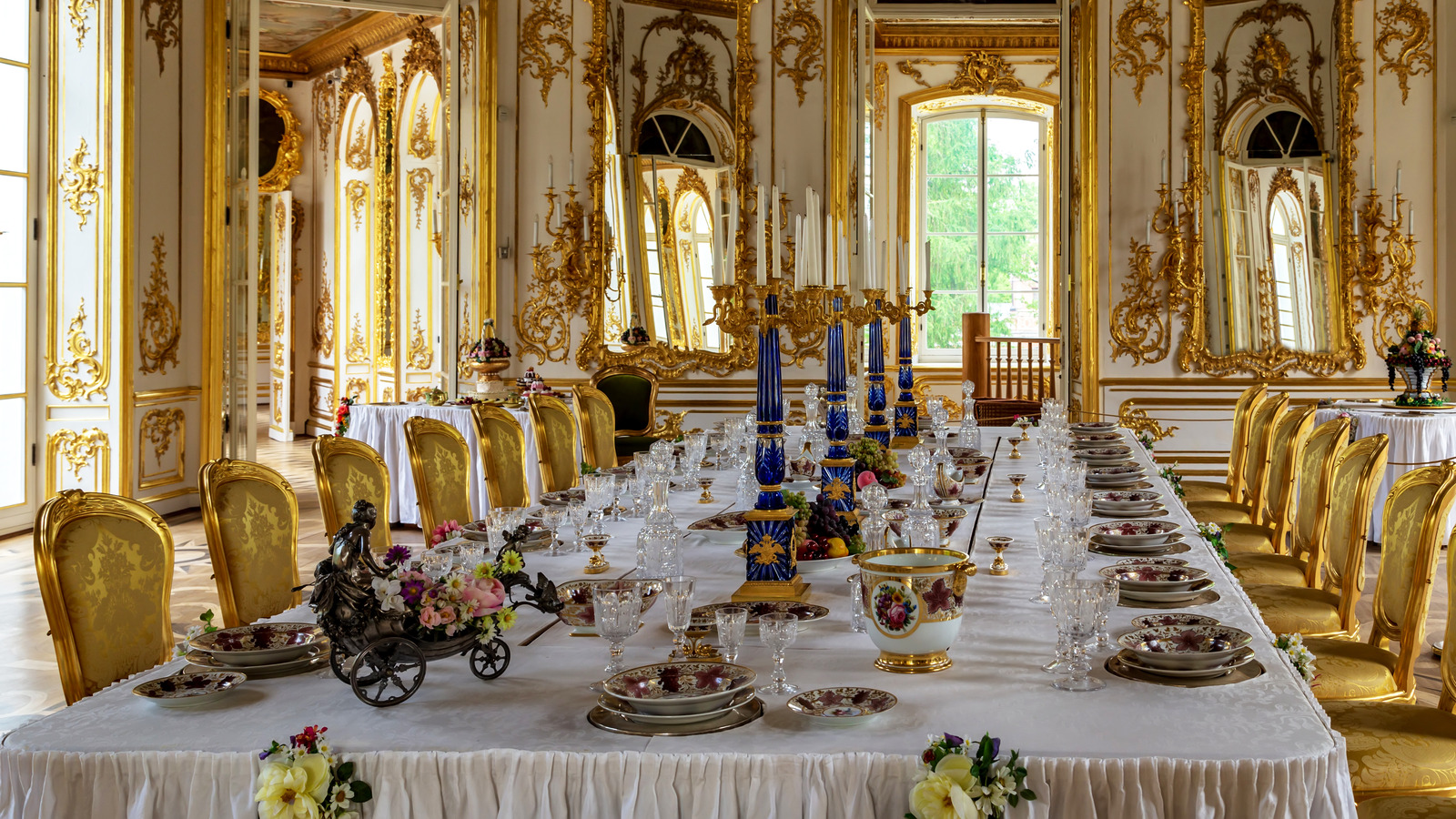
Even the tableware and dining environment contributed to the overall effect. Gold and silver utensils, decorative plates, and fine linens were standard in royal households, emphasizing luxury at every turn. The placement of dishes followed strict etiquette rules, ensuring that each course was both functional and aesthetically pleasing.
Influence of Trade and Exploration
The food culture of royal courts was heavily influenced by trade and exploration. Spices, sugar, exotic fruits, and rare meats often arrived from distant lands, becoming prized elements of royal cuisine. These imported ingredients allowed chefs to experiment with new flavors and techniques, creating dishes that were both unique and luxurious. Trade routes not only expanded the palette of royal meals but also acted as symbols of a kingdom’s power and global reach.
The influence of trade can be seen in dishes that combine local ingredients with foreign spices or cooking methods. For instance, European royal kitchens adopted spices like cloves, nutmeg, and pepper from Asia, while Middle Eastern courts incorporated ingredients like almonds, saffron, and dried fruits. This blending of cultures through cuisine was a hallmark of historical royal dining.
Food as a Symbol of Power and Diplomacy
Royal dishes were more than a way to satisfy hunger—they were also tools of diplomacy. Inviting foreign dignitaries to a lavish banquet could demonstrate wealth, sophistication, and hospitality. The quality and complexity of the meal often sent a message about the kingdom’s stability and influence. In some cases, meals were used to forge alliances, negotiate treaties, or celebrate victories.
Even within the kingdom, food reinforced social hierarchies. Access to certain dishes or delicacies could signify favor from the monarch, while the exclusion of others could indicate political tensions. In this way, royal cuisine was deeply intertwined with the power dynamics of the court.
Legacy of Royal Cuisine
The dishes and traditions of historical kingdoms continue to influence modern cuisine. Many recipes have been passed down through generations, adapted to local tastes but retaining their royal origins. Contemporary fine dining often draws inspiration from these historical meals, emphasizing presentation, seasonality, and the use of rare ingredients. Understanding royal cuisine offers insight into the history, culture, and values of the societies that created it.
Royal dishes also hold cultural significance beyond taste. They reflect a kingdom’s resources, trade connections, and social structure. By studying these meals, we can learn about historical lifestyles, preferences, and the importance placed on culinary artistry. Even today, recreating these dishes provides a tangible link to the past, allowing us to experience a piece of history through food.
Conclusion
Food and cuisine in historical kingdoms were far more than simple nourishment. Royal dishes symbolized wealth, power, and culture, transforming mealtime into a statement of sophistication and influence. From lavish feasts to signature delicacies, the artistry of royal cuisine left a lasting impression on both domestic and foreign observers. Presentation, exotic ingredients, and the ceremonial nature of dining elevated food to a central role in court life, making it an essential part of history.
Exploring royal dishes gives us a window into the priorities, tastes, and global connections of historical kingdoms. Whether in Europe, Asia, or the Middle East, the legacy of royal cuisine continues to inspire chefs, historians, and food enthusiasts alike. By appreciating the artistry and complexity of these meals, we gain a deeper understanding of the world of the past and the timeless role of food as both culture and power.