
The Future of Fine Dining: How Luxury Restaurants Are Evolving
The Future of Fine Dining: How Luxury Restaurants Are Evolving – Fine dining is no longer just about white tablecloths, crystal glasses, and perfectly folded napkins. The world of luxury restaurants is evolving at a rapid pace, shaped by changing guest expectations, technology, sustainability concerns, and global culinary influences. The future of fine dining is more dynamic, more immersive, and more personal than ever before.
Today’s high-end diners want more than just an expensive meal. They are looking for an experience, a story, and a deeper connection to the food on their plate. From world-famous establishments like Eleven Madison Park to innovative culinary destinations such as Noma, the fine dining industry is redefining what luxury truly means.
In this article, we explore how luxury restaurants are evolving and what the future of fine dining looks like in a world driven by creativity, sustainability, and personalization.
Experience-Driven Fine Dining Is the New Standard
The traditional model of fine dining focused heavily on formal service, premium ingredients, and classic techniques. While those elements still matter, modern luxury restaurants now prioritize immersive experiences.
Guests want to feel something when they dine. They want to be surprised, inspired, and emotionally engaged. Restaurants like Ultraviolet by Paul Pairet have taken this concept to the next level by combining food with multi-sensory elements such as lighting, music, scent, and visual projections. Dining becomes theatrical, almost cinematic.
Even more traditional establishments like The French Laundry are evolving. While maintaining their classic prestige, they now focus on storytelling, ingredient transparency, and curated guest journeys that feel deeply personal.
The future of fine dining lies in creating unforgettable moments. Luxury restaurants understand that guests are no longer paying only for food, but for memories.
Personalization and Guest-Centered Service
One of the biggest shifts in the luxury restaurant industry is the rise of personalization. Fine dining experiences are becoming more tailored to individual preferences.
Advanced reservation systems now track guest preferences, allergies, wine choices, and even past seating requests. When a returning guest walks into a top restaurant, the staff already knows their favorite dish or preferred champagne.
High-end chefs are also adapting tasting menus to fit dietary lifestyles such as plant-based, gluten-free, or locally sourced preferences. Interestingly, even a restaurant like Eleven Madison Park reinvented itself with a fully plant-based menu, proving that luxury dining can evolve with modern values.
This personalized approach enhances customer loyalty and strengthens brand identity, both essential for long-term success in competitive luxury markets.
Sustainability Is Redefining Luxury
In the past, luxury dining was associated with imported caviar, exotic ingredients, and rare seafood. Today, sustainability has become the new symbol of sophistication.
Restaurants such as Noma pioneered the concept of hyper-local sourcing, seasonal menus, and zero-waste practices. This philosophy has influenced countless other fine dining establishments worldwide.
The future of fine dining revolves around responsible sourcing, ethical farming partnerships, and reducing food waste. High-end chefs are now collaborating directly with local farmers, fishermen, and artisanal producers to ensure quality while minimizing environmental impact.
Luxury is no longer about excess. It is about intention, traceability, and environmental awareness.
Plant-Based and Conscious Dining
Another major evolution in luxury restaurants is the rise of plant-based fine dining. What was once considered niche has now become mainstream in upscale culinary circles.
Michelin-starred restaurants are investing in creative vegetable-focused tasting menus. The emphasis is on innovation, flavor complexity, and visual artistry rather than simply replacing meat with substitutes.
This shift reflects broader consumer trends. Modern diners care about sustainability, health, and ethical food production. Luxury restaurants that embrace these values are positioning themselves for long-term relevance.
The future of fine dining will likely continue moving toward conscious consumption without sacrificing elegance or flavor.
Technology Is Transforming the Luxury Restaurant Experience
Technology plays a crucial role in shaping the future of fine dining. From reservation systems to kitchen innovation, digital tools are enhancing both operational efficiency and guest experience.
Artificial intelligence is helping restaurants analyze guest data, predict demand, and optimize inventory management. This reduces waste and improves profitability, which is essential in an industry known for high operational costs.
On the front end, digital wine lists, augmented reality menus, and seamless mobile booking systems are becoming more common in high-end establishments. Even though luxury dining remains rooted in human hospitality, technology now supports it in subtle but powerful ways.
Restaurants like Ultraviolet by Paul Pairet demonstrate how tech integration can elevate storytelling and create immersive dining environments that simply were not possible a decade ago.
Global Influences and Culinary Innovation
The future of fine dining is also increasingly global. Chefs travel, collaborate, and draw inspiration from diverse cultures more than ever before.
Fusion cuisine has matured beyond trends and become a refined expression of cultural storytelling. Fine dining kitchens now celebrate authenticity while embracing creative reinterpretation.
Luxury restaurants are breaking rigid culinary boundaries. A tasting menu might combine Scandinavian techniques with Japanese precision and Latin American flavors. This cross-cultural approach reflects the interconnected world we live in.
At the same time, chefs are returning to heritage recipes and indigenous ingredients, rediscovering forgotten culinary traditions and presenting them in modern ways. This balance between innovation and authenticity defines the next generation of fine dining.
The Rise of Intimate and Exclusive Dining Concepts
Another significant shift in luxury restaurants is the move toward exclusivity and intimacy. Instead of massive dining rooms, many high-end establishments now offer limited seating, chef’s tables, or private tasting experiences.
Smaller dining spaces allow for more interaction between chefs and guests. The experience feels curated, rare, and personal. In a world where mass production dominates many industries, exclusivity has become a powerful luxury signal.
Pop-up fine dining events, invitation-only dinners, and location-based culinary experiences are gaining popularity. These formats create anticipation and demand while offering unique storytelling opportunities.
The future of fine dining may lean even further into these boutique, highly curated concepts.
Social Media and the Power of Visual Storytelling
Luxury restaurants can no longer ignore the influence of social media. Platforms like Instagram have transformed how fine dining is marketed and perceived.
Visually stunning plating, behind-the-scenes kitchen content, and chef interviews now play a role in building brand authority. However, the challenge for high-end restaurants is to balance exclusivity with accessibility.
While luxury brands must maintain prestige, they also need digital presence to remain relevant. Carefully curated content helps showcase craftsmanship, philosophy, and culinary artistry without diminishing sophistication.
In many ways, social media has amplified the global visibility of fine dining, allowing even remote restaurants to attract international clientele.
What the Future of Fine Dining Really Looks Like
The future of fine dining is not about abandoning tradition. It is about redefining it.
Luxury restaurants are becoming more sustainable, more personal, more technological, and more globally inspired. Establishments like The French Laundry continue to represent timeless excellence, while innovators such as Noma push boundaries with new philosophies.
The next era of fine dining will likely combine immersive storytelling, ethical sourcing, advanced technology, and emotional connection. Guests will continue to seek not just extraordinary food, but meaningful experiences.
Ultimately, the evolution of luxury restaurants reflects broader cultural shifts. Diners today are informed, conscious, and experience-driven. Fine dining must adapt to these expectations while preserving the craftsmanship and artistry that define it.

Organic Ingredients Are Taking Over Restaurant Kitchens
Why Local and Organic Ingredients Are Taking Over Restaurant Kitchens – Walk into almost any modern restaurant today and you will notice a shift. Menus proudly highlight farm names, seasonal vegetables, grass-fed beef, and organic herbs. Chefs talk about sustainability with the same passion they once reserved for exotic imports. The movement toward local and organic ingredients is no longer a niche trend. It has become a defining feature of today’s restaurant kitchens.
From fine dining establishments to cozy neighborhood cafés, the demand for fresh, responsibly sourced food continues to grow. Customers are more aware of what they eat, and restaurant owners are adapting quickly. Local and organic ingredients are not just about health. They represent quality, transparency, and a deeper connection between farms, kitchens, and communities.
The Rise of Farm-to-Table Culture
The farm-to-table movement has played a major role in reshaping restaurant supply chains. Instead of relying heavily on large distributors that ship produce across the country, many chefs now work directly with local farmers. This approach shortens the journey from harvest to plate, ensuring ingredients arrive fresher and more flavorful.
Fresh produce harvested at peak ripeness simply tastes better. Tomatoes grown locally and picked at the right time have richer flavor compared to those transported over long distances. The same applies to leafy greens, fruits, dairy products, and meats. For restaurant kitchens focused on quality, local sourcing offers a clear advantage.
Beyond flavor, farm-to-table dining builds trust. Customers appreciate knowing where their food comes from. When menus mention local farms or regional producers, it adds authenticity. It shows that the restaurant values transparency and supports the local economy.
Stronger Relationships Between Chefs and Farmers
One of the biggest benefits of using local ingredients is the relationship that forms between chefs and farmers. Instead of anonymous transactions, there is collaboration. Farmers can grow specific varieties requested by chefs, and chefs can design seasonal menus around what is thriving in the fields.
This partnership encourages creativity in restaurant kitchens. Seasonal menus become more dynamic. Chefs experiment with heirloom vegetables, heritage grains, and unique herbs that may not be available through mass distributors. The result is a more exciting and authentic dining experience.
Why Organic Ingredients Matter More Than Ever
Organic ingredients have also become a central focus in modern restaurant kitchens. As consumers grow concerned about pesticides, artificial additives, and genetically modified crops, organic food offers reassurance.
Organic farming practices prioritize soil health, biodiversity, and natural growing methods. For many diners, this translates to cleaner, healthier meals. Restaurants that promote organic ingredients signal that they care about customer well-being and environmental impact.
In a competitive market, this can make a significant difference. When customers compare dining options, labels like “organic vegetables” or “certified organic chicken” can influence their decision. Restaurants that embrace organic sourcing often attract health-conscious diners who are willing to pay a premium for quality.
Better Taste and Nutritional Value
There is ongoing debate about whether organic food is significantly more nutritious. However, many chefs agree on one thing: organic ingredients often deliver better taste. Because organic produce is typically grown in healthier soil without synthetic chemicals, it can develop fuller flavors.
In restaurant kitchens, flavor is everything. A simple salad made with organic greens and locally sourced olive oil can stand out purely because of ingredient quality. Instead of masking bland ingredients with heavy sauces, chefs can let natural flavors shine.
This approach aligns with modern dining preferences. Customers are increasingly drawn to clean, simple dishes that highlight the freshness of each component.
Sustainability Is Driving Change
Sustainability is no longer just a buzzword. It is a core value shaping how restaurants operate. Local and organic ingredients fit perfectly into this shift toward environmentally responsible practices.
Transporting food over long distances increases carbon emissions. By sourcing locally, restaurant kitchens reduce their carbon footprint. Supporting organic farming also limits the use of harmful chemicals that can damage ecosystems.
For many restaurant owners, sustainability is both an ethical choice and a smart business move. Today’s diners are more likely to support businesses that reflect their values. Restaurants that openly promote sustainable sourcing often build stronger brand loyalty.
At the same time, reducing waste has become a priority. Local sourcing allows for more precise ordering and better inventory management. Fresher ingredients last longer and are less likely to spoil before use. Some restaurants even compost food scraps and work with local farms to close the loop.
Seasonal Menus Create Excitement
One noticeable effect of using local ingredients is the rise of seasonal menus. Instead of offering the same dishes year-round, restaurants update their offerings based on what is currently available.
Seasonal cooking encourages variety and creativity. In the spring, menus might feature asparagus, peas, and fresh herbs. Summer brings berries, tomatoes, and stone fruits. Autumn highlights squash, root vegetables, and hearty greens. Winter showcases preserved ingredients and robust flavors.
For diners, this constant change keeps things interesting. Returning customers can look forward to new dishes that reflect the time of year. For restaurant kitchens, it creates an opportunity to showcase culinary skills while staying aligned with local harvest cycles.
Seasonal menus also reinforce the authenticity of local and organic sourcing. When customers see dishes that clearly reflect the current season, it strengthens the perception that the restaurant genuinely prioritizes fresh produce.
Economic Benefits for Local Communities
The impact of local and organic ingredients goes beyond the kitchen. When restaurants source from nearby farms, they help stimulate the local economy. Money spent on local produce circulates within the community rather than flowing to distant corporations.
This support can make a meaningful difference for small-scale farmers. As demand for organic and locally grown food increases, more farmers are encouraged to adopt sustainable practices. This creates a positive cycle where both restaurants and producers benefit.
Customers often appreciate knowing that their dining choices contribute to community growth. It adds emotional value to the meal. Dining becomes more than just eating; it becomes participation in a local food system.
Social Media and the Power of Transparency
Another factor accelerating the shift toward local and organic ingredients is social media. Diners love sharing photos of beautifully plated dishes, especially when they come with a compelling story.
Restaurants that highlight local farms, organic sourcing, and sustainable practices have more engaging content to share. Behind-the-scenes farm visits, chef collaborations, and seasonal ingredient showcases all resonate well online.
Transparency builds credibility. When restaurants openly communicate their sourcing practices, they create trust. In an age where consumers research businesses before visiting, this trust can translate directly into reservations and repeat customers.
The Future of Restaurant Kitchens
The movement toward local and organic ingredients shows no signs of slowing down. As awareness of health, sustainability, and food quality continues to grow, restaurants will likely deepen their commitment to responsible sourcing.
Technology may further streamline connections between farms and restaurant kitchens. Digital platforms already make it easier to coordinate deliveries and track ingredient origins. This transparency will only become more important in the future.
At the same time, diners are becoming more educated. They ask questions about sourcing, farming methods, and environmental impact. Restaurants that cannot provide clear answers may struggle to compete.
Ultimately, the shift toward local and organic ingredients reflects a broader change in how society views food. It is no longer just fuel or indulgence. It is an expression of values, culture, and community.
For restaurant kitchens, embracing local and organic sourcing is not simply a trend to follow. It is a strategic decision that enhances flavor, builds trust, supports sustainability, and strengthens connections with customers.

How Technology is Transforming Restaurant Operations
How Technology is Transforming Restaurant Operations – The restaurant industry has always been fast-paced, competitive, and deeply customer-focused. But in recent years, technology has completely reshaped how restaurants operate behind the scenes and in front of customers. From small neighborhood cafés to global chains like McDonald’s, digital tools are redefining efficiency, customer experience, and profitability.
Today, restaurant operations are no longer just about great food and good service. They are about data, automation, smart systems, and seamless digital experiences. Technology is helping restaurant owners reduce costs, streamline workflows, minimize waste, and connect with customers in ways that were not possible a decade ago.
In this article, we’ll explore how technology is transforming restaurant operations and why embracing innovation is no longer optional for modern food businesses.
Digital Ordering Systems Are Reshaping the Front of House
One of the most visible changes in restaurant operations is the shift toward digital ordering. Online ordering platforms, mobile apps, and self-service kiosks have dramatically changed how customers interact with restaurants.
Major brands like Starbucks have successfully integrated mobile ordering into their daily operations. Customers can place orders in advance, skip the line, and pick up their drinks without waiting. This reduces congestion, improves order accuracy, and speeds up service.
For restaurant owners, digital ordering systems offer more than convenience. They provide valuable customer data, including purchase behavior, preferences, and peak ordering times. With this information, restaurants can optimize staffing schedules, manage inventory more effectively, and create targeted promotions.
Additionally, third-party delivery platforms have become essential. Apps powered by companies like Uber Eats allow restaurants to expand their reach beyond physical locations. Even small restaurants can now serve customers across entire cities without opening additional branches.
Technology is not replacing hospitality. Instead, it is supporting it by removing friction and allowing staff to focus more on customer engagement.
Smart POS Systems Improve Efficiency and Accuracy
Traditional cash registers have evolved into powerful Point of Sale systems. Modern POS technology integrates payment processing, sales tracking, inventory management, and customer data into a single platform.
Brands like Square have revolutionized POS solutions for small and medium-sized restaurants. These systems automatically track sales in real time, reducing manual reporting and human errors.
A smart POS system does more than process payments. It helps managers analyze daily performance, monitor popular menu items, and identify slow-moving products. This data-driven approach enables smarter business decisions.
For example, if a restaurant notices that a specific dish sells better during weekends, it can adjust inventory orders accordingly. Over time, these small adjustments significantly reduce food waste and increase profit margins.
Integrated POS systems also improve communication between the front of house and the kitchen. Orders are instantly transmitted to kitchen display systems, minimizing misunderstandings and speeding up preparation times.
Kitchen Automation Is Reducing Operational Stress
Behind the scenes, kitchen operations are also experiencing a technological upgrade. Automation tools are helping restaurants maintain consistency while reducing labor pressure.
Some large chains like Domino’s use advanced kitchen systems to track preparation times and optimize delivery routes. Automation ensures that orders move smoothly from preparation to packaging to dispatch.
Smart kitchen equipment, including automated fryers, temperature-controlled ovens, and inventory sensors, helps maintain food quality. These tools reduce human error and ensure that food safety standards are consistently met.
For restaurant owners, automation means greater predictability. When systems monitor cooking times and ingredient levels, managers can focus on strategic tasks rather than constantly troubleshooting daily operations.
While technology cannot replace skilled chefs, it can support them by simplifying repetitive tasks and improving workflow organization.
Inventory Management Becomes Data-Driven
Inventory has always been one of the biggest challenges in restaurant operations. Overstocking leads to waste, while understocking causes lost sales. Technology is solving this long-standing problem.
Modern inventory management software connects directly to POS systems. Every sale automatically updates stock levels. This real-time visibility helps managers know exactly when to reorder ingredients.
Advanced systems even forecast demand based on historical data. If a restaurant typically experiences higher traffic during holidays or special events, the system can recommend increasing stock levels in advance.
Reducing food waste not only improves profitability but also supports sustainability goals. As customers become more environmentally conscious, restaurants that minimize waste gain a competitive advantage.
Data-driven inventory management allows restaurants to operate leaner, smarter, and more responsibly.
Contactless Payments Enhance Customer Experience
Customer expectations have evolved rapidly. Speed and convenience are now critical factors in dining decisions. Contactless payments and digital wallets have become standard in many restaurants.
Companies like Apple Pay have popularized quick, secure transactions using smartphones. Customers appreciate the simplicity of tapping their devices instead of handling cash.
For restaurants, contactless payment systems reduce checkout times and increase table turnover rates. Faster payments mean shorter waiting times, which improves overall customer satisfaction.
Additionally, digital payment systems integrate seamlessly with loyalty programs. Restaurants can automatically reward repeat customers, send personalized offers, and track redemption rates without manual effort.
This combination of convenience and personalization strengthens long-term customer relationships.
Data Analytics Is Driving Smarter Decisions
Perhaps the most powerful transformation in restaurant operations is the rise of data analytics. Restaurants now have access to detailed insights that were once only available to large corporations.
By analyzing sales trends, customer demographics, and purchasing behavior, restaurant owners can refine menu offerings and pricing strategies. For instance, if certain items consistently underperform, they can be adjusted or removed.
Predictive analytics also helps with workforce management. Managers can forecast busy periods and schedule staff accordingly, avoiding overstaffing or understaffing.
Large global brands like Subway rely heavily on operational data to standardize performance across thousands of locations. However, even independent restaurants now have access to affordable analytics tools.
Data-driven decision-making reduces guesswork. Instead of relying solely on intuition, restaurant owners can base strategies on measurable performance indicators.
Technology Strengthens Online Presence and Marketing
Restaurant operations are no longer limited to physical spaces. Digital presence plays a major role in attracting customers.
Search engine optimization, social media marketing, and online reviews significantly influence dining decisions. Restaurants that invest in digital marketing tools can track engagement, measure campaign results, and adjust strategies in real time.
Online reservation systems also streamline booking management. Automated confirmations and reminders reduce no-shows and improve table planning efficiency.
Customer relationship management software helps restaurants maintain communication with their audience. Personalized email campaigns, birthday promotions, and exclusive offers create stronger brand loyalty.
Technology makes it easier for restaurants to stay visible, relevant, and competitive in crowded markets.
The Future of Restaurant Operations Is Tech-Driven
The transformation of restaurant operations through technology is not a temporary trend. It is a long-term shift that continues to evolve.
Artificial intelligence, robotics, and advanced automation are already being tested in various markets. As technology becomes more affordable, even small restaurants will have access to sophisticated tools that improve efficiency and customer satisfaction.
However, successful implementation requires balance. Technology should enhance hospitality, not replace the human touch that defines memorable dining experiences.
Restaurants that embrace digital innovation while maintaining authentic service will thrive in the modern era. By integrating smart systems, leveraging data analytics, and optimizing workflows, they can reduce operational stress and increase profitability.

Restaurant Trends and Dining in Ancient Rome
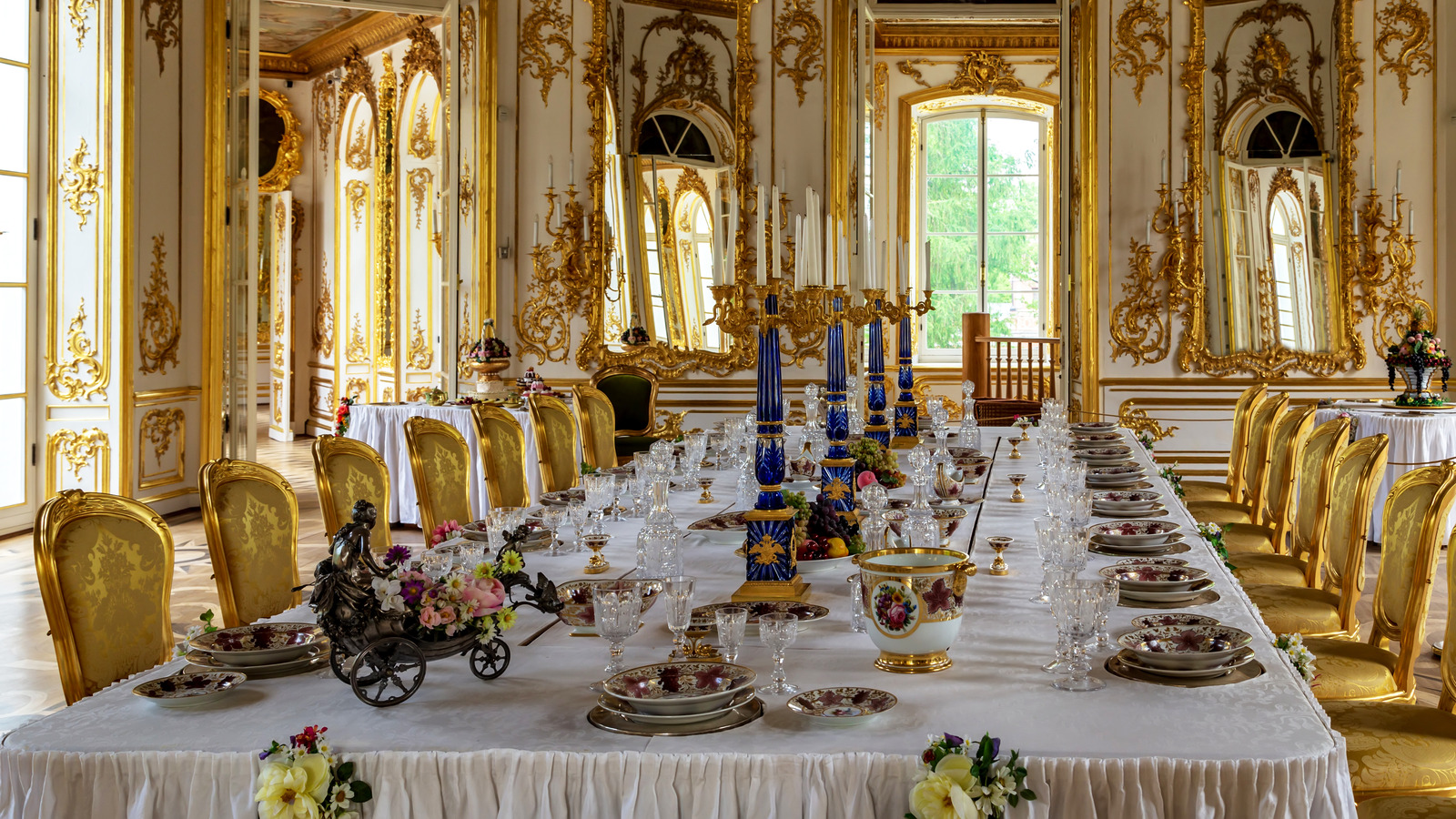
Food and Cuisine in Historical Kingdoms Royal Dishes
Food and Cuisine in Historical Kingdoms Royal Dishes – Food has always been more than just nourishment—it has been a symbol of culture, status, and power. In historical kingdoms, cuisine was a way for royalty to display wealth, sophistication, and influence. The royal table often reflected the grandeur of the kingdom itself, combining exotic ingredients, elaborate preparation, and artistry in presentation. Exploring the food of historical kingdoms gives us a fascinating glimpse into the lifestyle, priorities, and even the politics of the past. From decadent feasts to signature dishes, royal cuisine played a central role in the lives of kings, queens, and their courts.
The Importance of Food in Royal Life
In historical kingdoms, food was a marker of social hierarchy. While the common people might have relied on simple grains, vegetables, and locally available meats, the royalty had access to ingredients from across the world. Spices, rare fruits, and imported delicacies were prized possessions and often showcased during royal banquets. Meals were not just about eating—they were a display of wealth, a reflection of the kingdom’s trade relations, and an opportunity to impress visiting dignitaries.
Royal chefs were highly respected and often trained in the art of both flavor and presentation. The dishes they created were not only delicious but visually stunning, with intricate garnishes and elaborate plating that symbolized the elegance of the court. These chefs often developed signature recipes that would become famous long after the reign of the king or queen who commissioned them.
Feasts and Banquets: The Heart of Royal Cuisine
Feasts were the centerpiece of royal dining. Banquets could last for hours or even days, featuring multiple courses that highlighted the wealth and reach of the kingdom. These feasts were carefully orchestrated affairs, with musicians, entertainers, and elaborate table settings complementing the food. Every course served a purpose—some dishes were meant to showcase opulence, others to reflect tradition or religious practices, and some were prepared simply to delight the senses.
Common elements of royal feasts included roasted meats, freshly baked breads, rich sauces, and elaborate desserts. Exotic spices like saffron, cinnamon, and cardamom were often used to enhance flavors and demonstrate access to far-off lands. Fruits such as pomegranates, figs, and imported citrus were arranged in decorative displays, turning the meal into both a sensory and visual experience.
In many historical kingdoms, feasts were also an opportunity to reinforce social hierarchies. Nobles would be seated according to rank, and the variety and quality of food served could reflect favor or disfavor from the monarch. The ability to host a lavish banquet was often seen as a measure of the kingdom’s prosperity and influence.
Signature Royal Dishes
Royal cuisine often featured signature dishes that became iconic symbols of a particular kingdom or reign. These dishes were designed to impress guests and demonstrate culinary mastery. For example, in European courts, roasted game birds, such as peacock or swan, were served during grand occasions, not only for taste but also for their striking appearance. Elaborate pastries and sweetmeats were equally important, reflecting the skill of the royal bakers and the abundance of luxury ingredients like sugar, honey, and almonds.
In the Middle East, dishes like spiced lamb, rice pilaf, and stuffed vegetables were common in royal courts, combining local flavors with exotic spices imported via trade routes. These meals were often served with intricate breads and sauces, creating a feast that was as much about aroma and presentation as it was about taste.
In Asia, imperial cuisine took on its own unique characteristics. Chinese emperors, for example, enjoyed elaborate multi-course meals that included delicacies like bird’s nest soup, shark fin, and rare seafood. In Japan, royal cuisine emphasized seasonal ingredients and artistic presentation, with dishes arranged to reflect the beauty of nature. These signature dishes were not only culinary achievements but also cultural statements, reinforcing the identity and prestige of the royal household.
The Role of Presentation in Royal Meals
In historical kingdoms, how a dish looked was just as important as how it tasted. Royal meals were often treated as works of art, with chefs spending hours crafting each plate. Carved fruits, sculpted meats, and ornate garnishes were common, turning every meal into a visual spectacle. Presentation served multiple purposes—it impressed guests, reflected the sophistication of the court, and elevated the act of eating to a ceremonial experience.
Even the tableware and dining environment contributed to the overall effect. Gold and silver utensils, decorative plates, and fine linens were standard in royal households, emphasizing luxury at every turn. The placement of dishes followed strict etiquette rules, ensuring that each course was both functional and aesthetically pleasing.
Influence of Trade and Exploration
The food culture of royal courts was heavily influenced by trade and exploration. Spices, sugar, exotic fruits, and rare meats often arrived from distant lands, becoming prized elements of royal cuisine. These imported ingredients allowed chefs to experiment with new flavors and techniques, creating dishes that were both unique and luxurious. Trade routes not only expanded the palette of royal meals but also acted as symbols of a kingdom’s power and global reach.
The influence of trade can be seen in dishes that combine local ingredients with foreign spices or cooking methods. For instance, European royal kitchens adopted spices like cloves, nutmeg, and pepper from Asia, while Middle Eastern courts incorporated ingredients like almonds, saffron, and dried fruits. This blending of cultures through cuisine was a hallmark of historical royal dining.
Food as a Symbol of Power and Diplomacy
Royal dishes were more than a way to satisfy hunger—they were also tools of diplomacy. Inviting foreign dignitaries to a lavish banquet could demonstrate wealth, sophistication, and hospitality. The quality and complexity of the meal often sent a message about the kingdom’s stability and influence. In some cases, meals were used to forge alliances, negotiate treaties, or celebrate victories.
Even within the kingdom, food reinforced social hierarchies. Access to certain dishes or delicacies could signify favor from the monarch, while the exclusion of others could indicate political tensions. In this way, royal cuisine was deeply intertwined with the power dynamics of the court.
Legacy of Royal Cuisine
The dishes and traditions of historical kingdoms continue to influence modern cuisine. Many recipes have been passed down through generations, adapted to local tastes but retaining their royal origins. Contemporary fine dining often draws inspiration from these historical meals, emphasizing presentation, seasonality, and the use of rare ingredients. Understanding royal cuisine offers insight into the history, culture, and values of the societies that created it.
Royal dishes also hold cultural significance beyond taste. They reflect a kingdom’s resources, trade connections, and social structure. By studying these meals, we can learn about historical lifestyles, preferences, and the importance placed on culinary artistry. Even today, recreating these dishes provides a tangible link to the past, allowing us to experience a piece of history through food.
Conclusion
Food and cuisine in historical kingdoms were far more than simple nourishment. Royal dishes symbolized wealth, power, and culture, transforming mealtime into a statement of sophistication and influence. From lavish feasts to signature delicacies, the artistry of royal cuisine left a lasting impression on both domestic and foreign observers. Presentation, exotic ingredients, and the ceremonial nature of dining elevated food to a central role in court life, making it an essential part of history.
Exploring royal dishes gives us a window into the priorities, tastes, and global connections of historical kingdoms. Whether in Europe, Asia, or the Middle East, the legacy of royal cuisine continues to inspire chefs, historians, and food enthusiasts alike. By appreciating the artistry and complexity of these meals, we gain a deeper understanding of the world of the past and the timeless role of food as both culture and power.

The Evolution of Restaurant Menus: Digital vs. Traditional
The Evolution of Restaurant Menus: Digital vs. Traditional – Dining out has always been more than just about food; it’s an experience. And a crucial part of that experience is the restaurant menu. From handwritten chalkboards to glossy printed booklets, menus have evolved dramatically over the years. Today, digital menus are transforming how restaurants interact with customers, raising the question: are traditional menus becoming a thing of the past?
The History of Traditional Menus
Traditional menus have a long history. In the early days, menus were simple lists of available dishes, often handwritten or printed on plain paper. They served a functional purpose, letting diners know what was on offer. Over time, menus became more elaborate, with attention to design, typography, and layout to appeal to customers.
Printed menus allowed restaurants to showcase their brand and create an atmosphere. From elegant fine-dining establishments with leather-bound menus to casual cafes with colorful designs, the traditional menu became a storytelling tool, guiding diners through a curated experience.
The Rise of Digital Menus
In recent years, technology has reshaped the way we dine. Digital menus, accessible through tablets, QR codes, and mobile apps, are becoming increasingly common. The shift was accelerated by the global pandemic, as contactless dining became a priority.
Digital menus offer flexibility that traditional menus cannot match. Restaurants can update items instantly, reflect real-time availability, and even suggest complementary dishes based on previous orders. For customers, digital menus provide more interactivity, with images, descriptions, and sometimes even videos to showcase dishes before ordering.
Benefits of Digital Menus
One of the main advantages of digital menus is convenience. Updating a printed menu can be costly and time-consuming, especially for restaurants that change their offerings frequently. Digital menus eliminate this problem, allowing instant updates without additional printing costs.
Digital menus also enhance the customer experience. High-quality photos, allergen information, and detailed descriptions make it easier for diners to make informed choices. Some systems even allow for personalization, suggesting favorite dishes or highlighting seasonal specials based on user preferences.
For restaurant owners, digital menus provide valuable insights. Analytics can show which dishes are popular, how long customers spend browsing, and which promotions work best. This data-driven approach helps restaurants refine their offerings and marketing strategies in ways that traditional menus simply cannot match.
The Charm of Traditional Menus
Despite the digital revolution, traditional menus still hold value. There’s a tactile satisfaction in holding a well-designed menu, flipping through pages, and taking your time to explore options. In fine dining, the printed menu is part of the overall atmosphere and contributes to the brand’s identity.
Traditional menus can also convey a sense of authenticity and care. Handwritten specials or carefully designed layouts show attention to detail that many customers still appreciate. For smaller restaurants or local cafes, a simple printed menu reinforces a cozy, approachable feel that digital devices sometimes lack.
Comparing Costs and Practicality
When it comes to cost, digital menus may seem expensive initially, requiring tablets or app development. However, over time, they often save money by reducing printing expenses and enabling dynamic pricing or promotions. Traditional menus have upfront printing costs and need frequent reprints for updates, which can add up.
From a practical standpoint, digital menus offer hygiene benefits. In the post-pandemic era, contactless options reduce shared touchpoints, making diners feel safer. Traditional menus, however, don’t require technology literacy, Wi-Fi, or charging devices, which can be a limitation for certain audiences.
Finding the Right Balance
Many restaurants are discovering that a hybrid approach works best. Offering a printed menu for those who appreciate tradition while providing a digital option for tech-savvy customers can cater to a wider audience. Some establishments display a beautifully designed printed menu on the table but include QR codes for additional information, photos, or customization.
The key is to match the menu format with the restaurant’s brand and clientele. A fine-dining restaurant may prioritize the elegance of traditional menus, while a fast-casual eatery could benefit from the flexibility and interactivity of digital options. Understanding your customers’ expectations is critical in making the right choice.
The Future of Restaurant Menus
The evolution of restaurant menus is far from over. Technology continues to offer new possibilities, such as augmented reality menus, AI-driven recommendations, and fully automated ordering systems. Digital menus could eventually provide immersive experiences, letting customers “see” dishes in 3D or simulate flavor profiles before ordering.
At the same time, traditional menus will not disappear entirely. The tactile experience and brand storytelling they offer remain valuable, especially for premium or niche dining experiences. The future is likely to be a blend of both, using technology to enhance convenience and engagement while maintaining the charm of printed materials.
Final Thoughts: Digital or Traditional?
Deciding between digital and traditional menus depends on several factors: the type of restaurant, target audience, budget, and brand identity. Digital menus excel in flexibility, interactivity, and data insights, making them ideal for fast-paced, modern dining environments. Traditional menus excel in elegance, tactile experience, and brand storytelling, making them indispensable for fine dining or establishments that emphasize atmosphere.
Ultimately, the best approach is one that combines the strengths of both. Restaurants that can integrate the efficiency of digital menus with the charm of traditional design will be well-positioned to offer an engaging dining experience while staying ahead of trends. Menus may have evolved, but their core purpose—guiding diners and enhancing the culinary journey—remains unchanged.

Restaurant Trends from the Past We Still Remember
Restaurant Trends from the Past We Still Remember – The restaurant industry is always moving forward, chasing new flavors, technologies, and dining experiences. Yet, no matter how modern things get, there are certain restaurant trends from the past that refuse to disappear. Some of them faded briefly, only to come back stronger. Others never really left; they just adapted to the times. These trends are still remembered not only because of nostalgia, but because they shaped how people dine today.
Looking back at classic restaurant trends helps us understand why certain concepts still work, even decades later. From familiar service styles to iconic menu ideas, these throwback trends continue to influence modern restaurants around the world.
The Golden Age of Casual Dining
In the late 20th century, casual dining restaurants dominated city streets and suburban areas alike. These places were not fast food, but they weren’t fine dining either. They offered comfort, affordability, and a relaxed atmosphere that made people feel welcome.
Comfort Food That Never Goes Out of Style
One of the biggest reasons casual dining remains memorable is its focus on comfort food. Dishes like burgers, pasta, fried chicken, and hearty breakfasts became staples because they felt familiar. Even today, many modern restaurants still rely on these classics, often adding a gourmet twist or updated presentation.
Comfort food works because it connects emotionally with customers. People associate these meals with family outings, celebrations, or simple moments of happiness. That emotional connection is hard to replace, which is why the trend continues to influence menus everywhere.
Family-Friendly Restaurant Culture
Another lasting element of casual dining is the family-friendly approach. Restaurants were designed for groups, kids, and long conversations over shared meals. Booth seating, large tables, and welcoming staff became standard.
Modern restaurants may look sleeker, but many still borrow this idea by offering shared plates, kids’ menus, and relaxed dining spaces. The concept of eating together comfortably is a trend from the past that still shapes restaurant design today.
Buffet Dining and All-You-Can-Eat Experiences
Buffets were once a symbol of abundance and value. During their peak, they attracted crowds with the promise of variety and freedom. Customers loved being able to choose exactly what they wanted and how much they wanted.
The Appeal of Variety and Choice
What made buffet dining memorable was the sense of control it gave diners. Instead of ordering a single dish, people could sample multiple cuisines in one visit. This idea still influences modern dining, especially in tasting menus, food halls, and shared dining concepts.
Even though traditional buffets are less common today, the underlying appeal of variety remains strong. Restaurants now offer small plates, sampler menus, and rotating selections that echo the buffet experience in a more modern format.
Social Dining as an Experience
Buffets were also social spaces. Families and friends would walk around together, discuss food choices, and return to the table multiple times. The focus wasn’t just on eating, but on the experience of dining together.
That social aspect has found new life in communal tables, interactive dining, and chef-driven stations. The format may have changed, but the idea behind it remains deeply rooted in the past.
The Rise of Theme Restaurants
Theme restaurants were once everywhere. From jungle-inspired dining rooms to medieval banquets, these restaurants focused on storytelling as much as food. They turned dining into entertainment.
Dining as Entertainment
What made theme restaurants stand out was their ability to transport guests to another world. Decor, music, staff uniforms, and menu names all worked together to create a complete experience.
While many over-the-top themes faded, the concept of immersive dining is still alive. Today’s restaurants use subtler themes, cultural storytelling, or open kitchens to create atmosphere without feeling gimmicky.
Nostalgia and Brand Identity
Theme restaurants also built strong brand identities. People remembered them easily because they offered something unique. That lesson still applies today. Restaurants that stand out visually or conceptually are more likely to be remembered and shared.
Modern branding, social media aesthetics, and concept-driven restaurants all borrow from this older trend, proving that identity matters just as much as food quality.
Classic Service Styles That Still Matter
Service styles from the past continue to influence how restaurants operate today. While technology has changed ordering and payment, the human element remains essential.
Table Service and Personal Connection
Traditional table service focused on building relationships between staff and guests. Servers knew regular customers by name, remembered preferences, and created a welcoming environment.
Even with digital menus and self-ordering systems, many restaurants still prioritize personal service. Customers remember how they are treated, not just what they eat. That old-school approach remains one of the strongest tools for customer loyalty.
The Open Kitchen Trend Before It Was Trendy
Open kitchens may feel modern, but the idea has roots in older dining traditions. Watching food being prepared created trust and excitement. It made the cooking process part of the experience.
Today, open kitchens symbolize transparency and craftsmanship. This is a perfect example of how a past trend has evolved to meet modern expectations without losing its original purpose.
Retro Menus and Vintage Recipes
Many restaurants today proudly bring back old recipes and retro menu designs. This trend taps into nostalgia while offering something familiar yet refreshing.
Classic Recipes with a Modern Touch
Dishes like milkshakes, meatloaf, and classic desserts have made a comeback. Chefs update them with better ingredients, improved techniques, or creative presentation, but the heart of the recipe stays the same.
Customers enjoy these dishes because they feel timeless. They connect generations and remind people of simpler times, making them emotionally appealing.
Menu Design That Feels Familiar
Vintage-inspired menus, handwritten fonts, and simple descriptions are also making a return. These designs feel approachable and authentic, especially compared to overly complex modern menus.
This trend shows that sometimes less is more. Clear, familiar menus help customers feel comfortable and confident in their choices.
Why These Restaurant Trends Still Matter Today
Restaurant trends from the past are remembered because they worked. They solved real customer needs, whether it was comfort, value, social connection, or entertainment. While styles and technologies change, human behavior doesn’t change as quickly.
People still want good food, welcoming spaces, and memorable experiences. That’s why so many modern restaurants continue to borrow ideas from the past, even when they don’t realize it.
By understanding these classic trends, restaurant owners and marketers can create concepts that feel both familiar and fresh. The past offers valuable lessons, and in the restaurant world, those lessons are still being served every day.

Food Trend Buzz: Viral Cafés & TikTok Foodie Must-Try Spots
Food Trend Buzz: Viral Cafés & TikTok Foodie Must-Try Spots – The food scene has never moved this fast. What used to take years to become a trend can now go viral in a matter of days, all thanks to TikTok, Instagram Reels, and food content creators who know exactly how to make viewers hungry in under 15 seconds. From aesthetic cafés to over-the-top desserts, viral food spots are shaping how people choose where to eat, travel, and even socialize.
In this new era of digital dining, cafés are no longer just places to grab coffee. They are content studios, lifestyle statements, and trendsetters rolled into one. Let’s dive into the food trend buzz and explore why viral cafés and TikTok foodie must-try spots are dominating the global culinary conversation.
The Rise of Viral Cafés in the Social Media Era
Social media has completely transformed how food businesses grow. A single viral video can turn a small café into a packed destination overnight. Unlike traditional marketing, viral food content feels organic. People trust creators, not ads.
Cafés that go viral usually share a few key elements. They offer visually appealing menus, unique concepts, and an atmosphere that looks good on camera. Think minimalist interiors, pastel color palettes, or bold industrial designs that instantly stand out on a phone screen.
Another factor is exclusivity. Limited menus, long queues, and “sold out by noon” stories actually make a place more desirable. TikTok thrives on the fear of missing out, and cafés that understand this psychology benefit massively.
Why Aesthetic Matters More Than Ever
Taste is still important, but presentation often comes first in viral food culture. A latte with detailed foam art, a croissant sliced dramatically in half, or a cheese pull that lasts five seconds can outperform a detailed food review.
Many viral cafés now design their menu specifically for visual impact. Bright sauces, oversized portions, and unexpected combinations all help create that scroll-stopping moment. Once the video hooks viewers, curiosity does the rest.
TikTok Foodie Culture and Its Influence on Dining Choices
TikTok has changed how people discover food. Instead of searching for “best café near me,” users now stumble upon places through their For You page. This passive discovery feels more personal and spontaneous.
Food creators play a huge role here. Their reactions, storytelling, and authenticity make viewers feel like they are experiencing the food firsthand. A casual “this is actually insane” can be more powerful than a five-star review.
From Local Hidden Gems to Global Trends
One of the most interesting things about TikTok food trends is how local spots can suddenly gain international attention. A small bakery in Seoul, a street food stall in Bangkok, or a café in Melbourne can become globally famous without ever planning to.
Once a trend crosses borders, it often inspires copycat menus worldwide. We’ve seen this with cloud bread, dalgona coffee, croffles, and oversized New York-style cookies. Viral food is no longer limited by geography.
Must-Try Viral Café Concepts Taking Over Right Now
While trends constantly evolve, some café concepts keep popping up across TikTok and Instagram feeds.
Specialty Coffee with a Twist
Coffee culture has gone experimental. Viral cafés are offering charcoal lattes, mushroom coffee, citrus-infused espresso, and signature house blends served in unique glassware. The goal is to create something unfamiliar but intriguing enough to try at least once.
People don’t just want caffeine anymore. They want a story behind their cup, whether it’s about sourcing, roasting methods, or a secret ingredient that makes the drink “different.”
Dessert Cafés Designed for Sharing
Desserts dominate TikTok for a reason. They are emotional, indulgent, and visually satisfying. Viral dessert cafés often focus on oversized pastries, molten centers, and interactive elements like DIY toppings or tableside pouring.
Sharing desserts also fits perfectly with social content. A single plate can create multiple angles, reactions, and slow-motion shots that boost engagement.
Theme-Based Cafés That Feel Like an Experience
From retro cafés inspired by the 90s to futuristic spaces with neon lights, themed cafés are becoming destinations rather than pit stops. These places are designed to make visitors stay longer, take photos, and post content.
The more immersive the experience, the more likely it is to go viral. Music, lighting, uniforms, and even menu language all contribute to a cohesive brand identity.
Why People Trust TikTok Food Recommendations
Traditional reviews can feel overly polished or biased. TikTok food content feels raw and real. Viewers see the portion size, the price, the crowd, and the honest reaction in real time.
This transparency builds trust. Even negative reviews perform well because they feel genuine. For consumers, that honesty is refreshing, and for cafés, it raises the stakes to actually deliver on hype.
Another reason is relatability. Many food creators are not chefs or critics. They are regular people who love eating out. Their opinions feel closer to what the average customer might experience.
The Impact of Viral Cafés on Local Food Scenes
While viral fame brings opportunity, it also brings challenges. Sudden popularity can overwhelm small businesses. Long queues, sold-out menus, and operational stress are common side effects.
However, when managed well, viral exposure can elevate an entire neighborhood. Food traffic attracts more visitors, benefits nearby businesses, and puts lesser-known areas on the map.
Some café owners now intentionally design their business with virality in mind, from interior layout to menu development. In today’s market, being “TikTok-able” is almost as important as being delicious.
Will Viral Food Trends Last?
Not every viral café stays popular forever. Trends move fast, and audiences are constantly looking for the next big thing. However, cafés that combine strong branding, consistent quality, and genuine customer experience tend to survive beyond the hype.
The smartest viral spots evolve. They refresh menus, collaborate with creators, and stay active on social media without feeling forced. They understand that virality is a tool, not the foundation.
Final Thoughts on Food Trend Buzz
Viral cafés and TikTok foodie must-try spots are redefining how we eat, travel, and connect. Food is no longer just about flavor. It’s about experience, storytelling, and shareability.
For consumers, this means endless options and constant discovery. For food businesses, it’s a reminder that creativity and adaptability matter more than ever. One viral moment can change everything, but long-term success still depends on delivering something worth coming back for.
As social platforms continue to evolve, one thing is certain. The next viral café is probably already serving its first customers, waiting for the right video to hit the algorithm.

Restaurant Nightmares Closures Scandals and Silent Kitchens
Restaurant Nightmares Closures Scandals and Silent Kitchens – The restaurant industry is often seen as glamorous—filled with vibrant dining rooms, sizzling kitchens, and culinary creativity. But behind the scenes, the story can be much darker. From sudden closures to scandals that make headlines, and the rise of “silent kitchens,” the world of dining is not always what it seems. Understanding these restaurant nightmares is essential for anyone following the industry or considering a career in food service.
When Restaurants Close Overnight
Restaurant closures are one of the most visible signs of struggles in the food industry. Even well-loved local spots and highly praised chains can disappear seemingly overnight. While some closures are due to financial mismanagement, others are the result of changing consumer habits, rising rents, or unexpected crises.
The COVID-19 pandemic amplified this trend, forcing many restaurants to shut their doors permanently. But even as restrictions eased, the industry continued to face challenges. Rising labor costs, supply chain issues, and competition from delivery apps have made it increasingly difficult for small operators to survive.
Hidden Reasons Behind Closures
Often, closures are not just about money. Internal conflicts, poor leadership, and inconsistent quality can quietly erode a restaurant’s reputation. Customers may leave negative reviews or avoid repeat visits, creating a downward spiral. Sometimes, a restaurant that seems popular on the outside may be struggling behind the scenes, revealing the fragile nature of the business.
Scandals That Shook the Dining World
Beyond financial struggles, scandals have also made the restaurant industry headline news. These can range from food safety violations to misconduct by staff or owners. Scandals are particularly damaging because they affect customer trust—a critical factor in an industry built on reputation.
Health violations, such as unhygienic kitchens or improper food storage, often make national news and can permanently damage a restaurant’s brand. Social media has made it easier for customers to share negative experiences, amplifying the impact of any misstep.
The Human Cost of Scandals
Behind every headline, there are often real human stories. Employees may face unsafe working conditions, or owners may struggle with burnout while trying to keep the business afloat. These situations remind us that the restaurant world is high-pressure, fast-paced, and often unforgiving.
The Rise of Silent Kitchens
In recent years, a new trend has emerged: silent kitchens, also known as ghost kitchens. These operations exist without traditional dine-in spaces and rely entirely on delivery. While they offer lower overhead costs and flexibility, they also represent a shift away from the traditional restaurant experience.
Silent kitchens can be both an opportunity and a risk. On one hand, they allow entrepreneurs to test new concepts without heavy investment. On the other hand, they often operate with minimal public accountability. Without a physical presence, these kitchens can struggle to build a loyal customer base, and negative incidents may go unnoticed until they explode online.
Delivery-Driven Pressures
The rise of delivery apps has transformed how restaurants operate, but it has also created new pressures. Restaurants, especially silent kitchens, must maintain high-quality food while managing fast delivery times. A single late or poorly prepared order can lead to negative reviews that damage their reputation.
Lessons From the Dark Side of Dining
While closures, scandals, and silent kitchens may seem discouraging, they also offer important lessons for the food industry. Adaptability, transparency, and customer trust are more critical than ever. Restaurants that fail to evolve with changing trends often face harsh consequences.
Investing in staff training, maintaining clean and safe kitchens, and building strong relationships with customers are essential. Even small changes, like improving online communication or offering menu transparency, can make a big difference.
The Importance of Reputation Management
In today’s digital age, reputation can make or break a restaurant. Negative news spreads quickly, and recovering from a scandal is often harder than avoiding one in the first place. Restaurants that proactively manage their public image and address issues head-on are more likely to survive challenging times.
Looking Ahead: Can the Industry Heal?
Despite the nightmares, the restaurant industry continues to thrive in many ways. New culinary concepts, innovative service models, and passionate entrepreneurs keep the sector exciting. Silent kitchens, when executed well, offer creative solutions for modern diners. Meanwhile, lessons from past scandals and closures encourage better business practices across the industry.
The key takeaway is that the restaurant world is unpredictable but resilient. Challenges like closures and scandals highlight the importance of preparation, adaptability, and understanding customer expectations. Restaurants that embrace transparency, innovation, and strong management practices are more likely to navigate these challenges successfully.
Conclusion
Restaurant nightmares—from sudden closures to scandals and the rise of silent kitchens—reveal the less glamorous side of the food industry. Yet, these challenges also push the industry to innovate, improve, and rethink what modern dining can be. Understanding these stories is crucial for anyone interested in the restaurant business.
The dining world may be full of risks, but it is equally full of opportunities. By learning from failures and staying attuned to trends, restaurant owners and entrepreneurs can transform potential nightmares into long-lasting success stories.
