
Restaurant Updates and Dining Scene Developments
Restaurant Updates and Dining Scene Developments – The global dining scene is constantly changing, shaped by consumer preferences, economic shifts, and creative innovation from chefs and restaurateurs. Restaurant updates today are no longer just about new menu launches or grand openings. They reflect deeper developments in how people eat, socialize, and connect with food. From neighborhood cafés to fine dining destinations, the restaurant industry is adapting to a new era defined by experience, flexibility, and authenticity.
As diners become more informed and selective, restaurants are responding with thoughtful updates that go beyond surface-level changes. These developments influence not only what ends up on the plate but also how restaurants operate, market themselves, and engage with their communities.
The Rise of Concept-Driven Restaurant Updates
One of the most noticeable dining scene developments is the shift toward concept-driven restaurants. Modern diners are looking for more than just a good meal. They want a story, a theme, and a reason to remember the place. As a result, restaurant updates often focus on refining or completely reimagining the brand concept.
Many restaurants are redesigning their interiors to match a clearer identity, whether that means highlighting local culture, embracing minimalism, or leaning into nostalgic aesthetics. These updates help restaurants stand out in crowded markets and create a stronger emotional connection with guests. A well-defined concept also makes marketing more effective, especially in digital spaces where visuals and storytelling matter.
Menu Evolution Reflects Changing Tastes
Menu updates are no longer limited to adding a few seasonal dishes. Today’s dining scene developments show a strong focus on flexibility and inclusivity. Restaurants are expanding plant-based options, offering gluten-free alternatives, and paying closer attention to dietary preferences without compromising flavor.
This evolution reflects a broader awareness among consumers. People care about ingredients, sourcing, and preparation methods. As a result, restaurant updates often include transparency around where food comes from and how it is made. This approach builds trust and encourages repeat visits, especially among health-conscious diners.
Technology’s Role in Modern Restaurant Developments
Technology has become a core element of restaurant updates across the industry. Digital menus, online reservations, and contactless payments are now standard rather than optional. These developments are driven by convenience and efficiency, benefiting both customers and restaurant staff.
Beyond basic tools, many restaurants are investing in data-driven systems to understand customer behavior. Reservation trends, popular menu items, and peak dining times are analyzed to improve operations. These behind-the-scenes updates may not always be visible to diners, but they significantly enhance the overall experience.
Online Presence Shapes the Dining Scene
A restaurant’s digital presence plays a major role in how it is perceived. Website updates, active social media accounts, and accurate online listings are essential in today’s dining landscape. Restaurants that fail to keep their information updated risk losing potential customers before they ever walk through the door.
Dining scene developments increasingly show that first impressions often happen online. High-quality photos, clear menus, and authentic reviews influence dining decisions. For this reason, many restaurant updates now prioritize digital branding as much as physical renovations.
Sustainability Becomes a Key Focus
Sustainability is no longer a niche topic within the restaurant industry. It has become a central theme in dining scene developments worldwide. Restaurants are updating their operations to reduce waste, source responsibly, and minimize environmental impact.
These updates can take many forms, from composting food scraps to partnering with local farmers. Some restaurants are redesigning menus to reduce waste by using ingredients more efficiently. Others are switching to eco-friendly packaging for takeaway and delivery services.
Local Sourcing Strengthens Community Connections
Another important restaurant update trend is the emphasis on local sourcing. By working with nearby producers, restaurants can offer fresher ingredients while supporting local economies. This approach also aligns with consumer demand for authenticity and sustainability.
Dining scene developments show that guests appreciate knowing where their food comes from. Highlighting local partnerships adds depth to a restaurant’s story and creates a sense of place that chain establishments often struggle to replicate.
Casual Dining and Flexible Spaces Gain Popularity
The line between casual and formal dining continues to blur. Many restaurant updates reflect a move toward relaxed atmospheres without sacrificing quality. Comfortable seating, open kitchens, and adaptable layouts allow restaurants to cater to different occasions throughout the day.
Flexible spaces are particularly important as dining habits change. Restaurants are designing areas that work for quick lunches, remote work sessions, and evening social gatherings. These developments make establishments more versatile and resilient in uncertain market conditions.
The Influence of Pop-Ups and Limited-Time Concepts
Pop-up restaurants and limited-time menus have become powerful tools for testing ideas. These dining scene developments allow chefs and owners to experiment without long-term commitment. Successful concepts can later be expanded into permanent offerings.
For customers, pop-ups create excitement and urgency. They encourage repeat visits and social media engagement, both of which are valuable for brand growth. As a result, many restaurant updates now include rotating themes or seasonal concepts to keep things fresh.
Customer Experience Drives Restaurant Updates
At the heart of all dining scene developments is the customer experience. Restaurants are paying closer attention to service quality, staff training, and overall atmosphere. Small updates, such as improved lighting or curated music, can significantly affect how guests feel during their visit.
Personalization is another growing trend. From remembering regular customers’ preferences to offering tailored recommendations, restaurants are finding ways to make diners feel valued. These updates foster loyalty and positive word-of-mouth, which remain crucial in the competitive food industry.
Looking Ahead: The Future of Dining Scene Developments
The restaurant industry will continue to evolve as consumer expectations shift. Future restaurant updates are likely to focus even more on sustainability, technology integration, and authentic storytelling. Restaurants that adapt thoughtfully will be better positioned to thrive in an ever-changing landscape.
Rather than chasing every trend, successful dining establishments will focus on updates that align with their identity and audience. By balancing innovation with consistency, restaurants can stay relevant while maintaining the trust of their customers.
Final Thoughts on Restaurant Updates
Restaurant updates and dining scene developments are about more than change for the sake of change. They represent the industry’s response to cultural, technological, and economic influences. From menu evolution to digital transformation, these developments shape how people experience food today.
As diners continue to seek meaningful experiences, restaurants that embrace thoughtful updates will stand out. The dining scene will keep evolving, but one thing remains constant: great food paired with genuine hospitality will always be at the center of every successful restaurant.

Restaurant Scene Updates from Cities Worldwide
Restaurant Scene Updates from Cities Worldwide – The global restaurant scene is constantly evolving. From bustling metropolitan cities to emerging culinary hubs, restaurants around the world are redefining how people eat, socialize, and experience culture. In recent years, changes in consumer behavior, technology, sustainability awareness, and global travel have played a huge role in shaping modern dining trends. These restaurant scene updates from cities worldwide reveal how food culture continues to adapt while staying rooted in local identity.
Across continents, restaurants are no longer just places to eat. They have become lifestyle spaces, storytelling platforms, and creative expressions of a city’s soul. Whether it’s a small chef-driven bistro or a high-end dining destination, the restaurant industry is moving fast, and each city brings its own flavor to the table.
Global Shifts in Modern Dining Culture
Restaurants around the world are responding to similar global pressures while interpreting them in unique ways. Diners today expect more than good food. They want experience, authenticity, and connection.
Cities like New York, London, and Tokyo continue to set trends, but smaller cities are now gaining attention for innovation and bold culinary concepts. Chefs are experimenting with local ingredients, global techniques, and storytelling menus that reflect both tradition and modern creativity.
Another noticeable shift is the rise of casual fine dining. High-quality food served in relaxed environments is becoming the norm in many cities. This approach attracts a broader audience while maintaining strong culinary standards.
Sustainability and Local Ingredients Take Center Stage
One of the strongest restaurant trends worldwide is sustainability. Restaurants in cities such as Copenhagen, Melbourne, and Vancouver are leading the movement by prioritizing seasonal produce, reducing food waste, and partnering with local farmers.
Menus are becoming shorter and more focused, allowing chefs to highlight fresh ingredients while minimizing environmental impact. This approach not only supports local economies but also creates a deeper connection between restaurants and their communities.
Sustainability is no longer a niche concept. It has become an expectation, especially in urban areas where diners are increasingly aware of how their food choices affect the planet.
City-by-City Restaurant Scene Highlights
Each city offers a unique snapshot of how global trends blend with local culture. Restaurant scene updates from cities worldwide show fascinating contrasts and similarities.
North America’s Bold and Diverse Food Movement
In cities like Los Angeles, Toronto, and Austin, diversity defines the restaurant landscape. Immigrant communities have shaped vibrant food scenes where traditional recipes meet modern interpretations.
Pop-up restaurants and food halls continue to thrive, offering chefs low-risk platforms to test creative ideas. These spaces also reflect the fast-paced, experimental nature of North American dining culture.
Technology plays a major role as well. Digital menus, online reservations, and delivery-focused concepts are now standard, allowing restaurants to reach wider audiences without compromising quality.
Europe’s Balance of Tradition and Innovation
European cities are masters at blending history with modernity. In Paris, Rome, and Barcelona, classic techniques remain respected while new-generation chefs introduce contemporary twists.
Many European restaurants are revisiting traditional recipes and presenting them in fresh ways. This approach appeals to both locals and tourists seeking authentic yet exciting dining experiences.
In cities like Berlin and Amsterdam, plant-based and alternative dining concepts are gaining popularity. These restaurants focus on creativity, flavor, and ethical sourcing rather than strict culinary rules.
The Rise of Asian Cities as Global Food Leaders
Asian cities are playing an increasingly influential role in the global restaurant scene. Places like Bangkok, Seoul, Singapore, and Tokyo continue to push culinary boundaries while honoring deep-rooted food traditions.
Street food culture remains a powerful influence. Many high-end restaurants now draw inspiration from street vendors, incorporating bold flavors and casual presentation into refined dining settings.
Technology-Driven Dining Experiences
In cities such as Seoul and Shanghai, technology is deeply integrated into restaurant operations. Digital ordering, automated kitchens, and smart payment systems enhance efficiency and customer experience.
Social media also plays a significant role. Restaurants design visually striking dishes and interiors that attract online attention, turning dining into a shareable experience that drives organic marketing.
This tech-forward approach reflects the fast-moving lifestyle of urban Asia while maintaining strong culinary identity.
Emerging Culinary Cities Worth Watching
Beyond well-known food capitals, emerging cities are making their mark on the global restaurant map. Cities in South America, Eastern Europe, and Southeast Asia are gaining recognition for creativity and affordability.
In cities like Medellín, Tbilisi, and Ho Chi Minh City, chefs are blending local flavors with international techniques. These destinations attract adventurous diners seeking new experiences beyond traditional tourist hotspots.
Lower operating costs in these cities allow chefs to experiment freely, resulting in unique restaurant concepts that often influence larger markets later on.
How Restaurant Scenes Reflect Urban Lifestyles
Restaurant trends often mirror changes in how people live and work. Remote work, flexible schedules, and urban density have reshaped dining habits in many cities worldwide.
All-day dining concepts are becoming more popular, allowing restaurants to serve different audiences throughout the day. Cafés transform into dinner spots, and restaurants double as social or co-working spaces.
This flexibility reflects modern city life, where boundaries between work, leisure, and dining continue to blur.
Community-Driven Dining Spaces
Another important update in the global restaurant scene is the focus on community. Many restaurants now act as neighborhood hubs, hosting events, collaborations, and cultural gatherings.
This approach strengthens customer loyalty and creates emotional connections beyond the menu. Cities with strong community-oriented dining scenes often develop more resilient restaurant industries.
The Future of Restaurant Scenes Worldwide
Looking ahead, restaurant scene updates from cities worldwide suggest a future defined by adaptability. Successful restaurants will be those that balance creativity, sustainability, and authentic storytelling.
While trends will continue to evolve, the core idea remains the same. People seek meaningful dining experiences that reflect the culture, values, and rhythm of the city they are in.
As cities grow and change, their restaurants will continue to serve as cultural mirrors. From global capitals to emerging urban centers, the restaurant scene remains one of the most dynamic and fascinating aspects of modern city life.

Food Spot Updates and Restaurant Industry Highlights
Food Spot Updates and Restaurant Industry Highlights – The food and beverage industry never stays still. New food spots appear almost every month, dining trends shift quickly, and restaurant owners are constantly adapting to changing customer behavior. For food lovers and industry insiders alike, staying updated on the latest food spot updates and restaurant industry highlights has become more important than ever.
From neighborhood cafés to global restaurant chains, innovation is happening at every level. This article explores the most relevant updates in today’s food scene and highlights key movements shaping the restaurant industry right now.
The Rise of New Food Spots in Urban Areas
Cities continue to be the main playground for new food concepts. In many urban areas, food spots are no longer just places to eat but social hubs where people gather, work, and share experiences. New restaurants are focusing heavily on ambiance, storytelling, and menu creativity to stand out in a competitive market.
Small independent eateries are gaining attention by offering unique menus inspired by local ingredients or cultural fusion. Instead of large menus, many new food spots prefer a focused selection that allows them to maintain quality and consistency. This approach not only appeals to modern diners but also helps restaurants manage costs more effectively.
Pop-up restaurants and limited-time food concepts are also becoming more common. These temporary food spots create a sense of urgency and exclusivity, encouraging customers to visit before the concept disappears. For restaurant owners, pop-ups offer a low-risk way to test ideas before committing to a permanent location.
Neighborhood Cafés and Casual Dining Growth
Another noticeable trend is the growth of neighborhood cafés and casual dining spots. These places prioritize comfort, affordability, and familiarity. Customers are looking for spaces where they can relax without the pressure of formal dining.
Many cafés are expanding their menus beyond coffee and pastries, adding brunch items, light meals, and even dinner options. This flexibility allows them to attract customers throughout the day and increase overall revenue.
Digital Influence on Food Spot Popularity
Social media continues to play a massive role in determining which food spots succeed. Restaurants that understand how to present their food visually often gain popularity faster than those relying on traditional marketing.
Platforms like Instagram and TikTok have turned ordinary menu items into viral sensations. A single trending video can bring long lines and sold-out menus within days. As a result, restaurant owners are paying more attention to plating, interior design, and customer experience that can be easily shared online.
Online reviews also remain a key factor. Many diners check ratings and comments before visiting a restaurant, making reputation management a crucial part of restaurant operations.
Restaurant Industry Highlights Worth Noticing
Beyond individual food spots, the broader restaurant industry is undergoing significant changes. These shifts are shaping how restaurants operate, hire staff, and connect with customers.
One major highlight is the increased focus on sustainability. Restaurants are becoming more conscious about food waste, packaging, and sourcing ingredients responsibly. Many establishments now highlight eco-friendly practices as part of their brand identity.
Another important change is the adoption of technology. Digital menus, online reservations, and contactless payments are no longer optional but expected. Restaurants that fail to adapt often struggle to keep up with customer expectations.
The Evolution of Restaurant Menus
Menus are evolving to reflect modern lifestyles. Health-conscious options, plant-based dishes, and customizable meals are now common in many restaurants. This shift allows restaurants to cater to a wider audience without alienating traditional customers.
Seasonal menus are also gaining popularity. By updating dishes based on ingredient availability, restaurants can offer fresher food while creating excitement for returning customers.
Delivery and Takeaway as a Core Strategy
Food delivery has moved from a secondary service to a core business strategy for many restaurants. What started as a convenience during challenging times has now become a permanent part of the industry.
Restaurants are redesigning menus specifically for delivery, focusing on items that travel well and maintain quality. Packaging has also improved, with more attention given to temperature control and presentation.
Cloud kitchens and virtual brands are another highlight within the delivery space. These operations allow restaurant owners to run multiple brands from one kitchen, reducing overhead costs while reaching different customer segments.
Changing Customer Expectations
Today’s diners expect more than just good food. They want transparency, value, and a memorable experience. Customers are increasingly interested in knowing where ingredients come from and how food is prepared.
Service quality remains essential, but the definition of good service has changed. Speed, convenience, and friendliness often matter more than formal etiquette. Restaurants that can balance efficiency with a personal touch tend to earn loyal customers.
Pricing is also under closer scrutiny. With rising living costs, diners are more selective about where they spend money. Restaurants that clearly communicate value, whether through portion size, quality, or experience, have a stronger chance of staying competitive.
Opportunities for Restaurant Owners and Investors
Despite challenges, the restaurant industry continues to offer opportunities for growth. New food spots that understand their target audience and adapt quickly to trends can thrive even in saturated markets.
Collaborations between chefs, local producers, and even influencers are becoming more common. These partnerships help restaurants reach new audiences while strengthening their brand image.
For investors, data-driven decision-making is becoming essential. Location analysis, customer behavior insights, and digital performance metrics are now key factors in evaluating restaurant potential.
Looking Ahead at Food Spot Updates and Industry Trends
The future of the food and restaurant industry looks dynamic and fast-moving. Food spot updates will continue to reflect changing lifestyles, technological advancements, and cultural influences.
Restaurants that remain flexible, customer-focused, and willing to innovate are more likely to succeed in the long term. Whether through menu creativity, digital engagement, or sustainability efforts, the industry will keep evolving alongside consumer expectations.
For food enthusiasts, this means more exciting dining options and unique culinary experiences. For industry players, staying informed about restaurant industry highlights is no longer optional but essential for survival and growth.

Top 10 Malaysian Dishes You Must Try Once
Top 10 Malaysian Dishes You Must Try Once – Malaysia is a country where cultures collide, and nowhere is this more evident than in its food. From street stalls to high-end restaurants, Malaysian cuisine offers a dazzling array of flavors that reflect its diverse heritage. For anyone visiting or simply exploring global cuisine, trying these dishes is a must. Each plate tells a story, combining local ingredients, spices, and culinary traditions into something unforgettable.
1. Nasi Lemak – The Nation’s Pride
Nasi lemak is often called Malaysia’s national dish, and it’s easy to see why. Traditionally, it’s coconut rice served with spicy sambal, crunchy anchovies, peanuts, cucumber slices, and a boiled egg. Some versions come with fried chicken, rendang, or squid. What makes nasi lemak special is its balance of flavors – creamy rice, spicy sambal, and salty accompaniments – creating a taste experience that feels both comforting and exciting.
This dish is eaten at any time of day, from breakfast stalls to dinner plates, making it an essential introduction to Malaysian food.
2. Char Kway Teow – Wok-Fried Goodness
Char kway teow is a beloved street food made from flat rice noodles stir-fried with shrimp, Chinese sausage, eggs, and bean sprouts in a smoky, slightly sweet sauce. It’s the kind of dish that instantly warms you with its bold flavors and familiar comfort.
The magic lies in the “wok hei” – a unique smoky aroma that comes from cooking over high heat. Each bite carries a hint of char and caramelized sweetness, making char kway teow unforgettable for any foodie.
3. Laksa – A Spicy, Flavorful Soup
Laksa is a noodle soup that varies across Malaysia, but the most famous versions are Penang’s assam laksa and the creamy coconut laksa from Kuala Lumpur. Assam laksa has a tangy fish-based broth, while the coconut version combines rich, fragrant coconut milk with chili paste.
Topped with herbs, tofu, egg, and sometimes prawns or chicken, laksa is a perfect example of Malaysia’s love for bold, layered flavors. It’s both hearty and aromatic, leaving a lasting impression on anyone who tries it.
4. Rendang – Slow-Cooked to Perfection
Rendang is a dish of meat, usually beef, slow-cooked in a mixture of coconut milk and spices until tender and flavorful. Originating from the Minangkabau people, rendang has a deep, complex taste profile – spicy, savory, slightly sweet, and rich all at once.
Eating rendang is like savoring a story; the longer it cooks, the more the flavors meld together. It’s often served during festivals, but once you try it, you’ll understand why it deserves a place in Malaysia’s culinary hall of fame.
5. Hainanese Chicken Rice – Simple Yet Exquisite
Hainanese chicken rice is deceptively simple. Poached chicken is served with fragrant rice cooked in chicken stock and aromatics, accompanied by chili sauce and ginger paste. Despite its minimal appearance, the dish is a study in precision – the chicken is tender, the rice flavorful, and the sauces bring the whole meal to life.
Originating from Chinese immigrants, this dish has become a staple across Malaysia and Singapore, celebrated for its comforting and elegant flavors.
6. Roti Canai – Flaky Flatbread with a Twist
Roti canai is a flaky, crispy flatbread often served with dhal (lentil curry) or meat curry. It’s a street food favorite and a breakfast classic. Watching the roti being tossed and folded by skilled hands is almost as satisfying as eating it.
The beauty of roti canai is its versatility. It can be stuffed with egg, cheese, or even sweet fillings like condensed milk, making it a dish that appeals to both traditionalists and adventurous eaters.
7. Satay – Skewers of Pure Joy
Satay is a quintessential Malaysian snack of skewered, grilled meat served with peanut sauce, rice cakes, and cucumber. The combination of smoky meat and rich, slightly sweet peanut sauce is irresistible.
Whether it’s chicken, beef, or lamb, satay is a must-try at night markets or local hawker stalls. It’s a social dish, meant to be enjoyed slowly while chatting with friends, capturing the communal spirit of Malaysian dining.
8. Nasi Kerabu – A Visual and Flavorful Feast
Nasi kerabu stands out for its striking blue rice, colored naturally using butterfly pea flowers. This dish is often served with fresh herbs, salted fish, and spicy coconut-based sides. It’s as visually stunning as it is flavorful, with herbs providing a refreshing contrast to the spiced accompaniments.
Hailing from the east coast of Malaysia, nasi kerabu shows how presentation and taste can come together to create a memorable dining experience.
9. Mee Goreng Mamak – Indian Muslim Influence
Mee goreng Mamak is a stir-fried noodle dish that reflects Malaysia’s Indian Muslim culinary influence. Yellow noodles are cooked with tofu, eggs, vegetables, and a mix of sweet and spicy sauces. Some versions include seafood or chicken for extra depth.
This dish is typically found in Mamak stalls, late-night eateries that are a cornerstone of Malaysian street culture. Mee goreng Mamak captures the energy and creativity of Malaysia’s street food scene perfectly.
10. Teh Tarik – The National Drink
No list of Malaysian dishes is complete without a nod to beverages, and teh tarik is the perfect representative. This pulled tea, made with strong black tea and condensed milk, is poured repeatedly from one container to another to create a frothy top.
Teh tarik is more than just a drink; it’s a cultural ritual. Enjoyed in bustling cafes or quiet mornings, it embodies the warmth and hospitality of Malaysia itself.
Exploring Malaysia Through Food
Trying these ten dishes is like taking a culinary journey through Malaysia’s diverse cultures. From Malay, Chinese, and Indian influences to regional specialties, each bite tells a story of history, migration, and creativity.
Whether you’re savoring the smoky notes of char kway teow, the comforting layers of nasi lemak, or the elegance of Hainanese chicken rice, Malaysian cuisine invites you to taste, explore, and remember. These dishes are more than meals – they are a gateway to understanding the heart of Malaysia, one bite at a time.

What’s New in Dining: Restaurants Chefs and Concepts
What’s New in Dining: Restaurants Chefs and Concepts – The dining world never stands still. Every year, new restaurants open, chefs reinvent themselves, and fresh concepts reshape how people eat, gather, and experience food. What’s new in dining today is not just about what’s on the plate, but also about the story behind it, the atmosphere of the restaurant, and the values that drive the people in the kitchen. From bold culinary ideas to intimate neighborhood spots, the modern dining scene is evolving in exciting ways.
The Rise of Experience-Driven Restaurants
Restaurants are no longer just places to eat. They have become destinations where ambiance, storytelling, and interaction matter as much as flavor. Diners are looking for memorable experiences, not just meals, and restaurants are responding with creative concepts that feel personal and immersive.
Dining as a Story, Not Just a Meal
Many new restaurants are built around a clear narrative. Some are inspired by travel, childhood memories, or cultural heritage, while others focus on a single ingredient or cooking technique. This storytelling approach helps restaurants stand out in a crowded market and creates a deeper emotional connection with guests. People remember how a place made them feel, not just what they ordered.
Open kitchens, chef’s counters, and tasting menus are also becoming more common, allowing diners to feel closer to the creative process. Watching chefs work and hearing the story behind each dish adds value and turns dinner into an experience worth sharing.
Chefs as Creative Leaders and Cultural Voices
Chefs today are more visible and influential than ever. They are not just cooking behind the scenes but shaping food culture, leading conversations about sustainability, and redefining what it means to run a restaurant.
A New Generation of Bold, Independent Chefs
A new wave of chefs is stepping away from traditional fine dining paths and opening smaller, more personal restaurants. These chefs often focus on seasonal menus, local suppliers, and simple yet thoughtful cooking. Instead of chasing luxury, they aim for authenticity and connection.
Social media also plays a role in this shift. Chefs can now build their own audience, share their philosophy, and promote their restaurants directly. This direct connection allows them to take creative risks and develop loyal communities around their food.
Sustainability and Responsibility in the Kitchen
Sustainability is no longer a trend; it has become a core value for many chefs. Zero-waste kitchens, plant-forward menus, and ethical sourcing are shaping new dining concepts. Chefs are rethinking how ingredients are used, finding creative ways to reduce waste while still delivering exciting flavors.
This focus on responsibility resonates with modern diners who care about where their food comes from. Restaurants that are transparent about their sourcing and practices often earn stronger trust and long-term loyalty.
New Restaurant Concepts Shaping the Industry
The definition of a restaurant is expanding. Today’s dining landscape includes hybrid concepts that blend food, retail, and community spaces, creating new ways for people to connect.
Casual Dining with Elevated Quality
One of the biggest shifts in dining is the rise of high-quality casual restaurants. These places offer excellent food without the formality of fine dining. Guests can enjoy thoughtfully prepared dishes in relaxed settings, making great food more accessible.
This approach appeals to diners who want comfort and consistency without sacrificing creativity. It also allows restaurants to operate more flexibly, adapting menus quickly and responding to customer preferences.
Ghost Kitchens and Delivery-Focused Brands
Technology has transformed how people dine, and ghost kitchens are a clear example of this change. These delivery-only restaurants focus entirely on food quality and efficiency, without the costs of a physical dining room.
While some critics see ghost kitchens as impersonal, others view them as a creative playground. Chefs can test new ideas, explore niche cuisines, and reach wider audiences with lower risk. For many brands, delivery is not a side option but a core business model.
Global Flavors and Local Identity
Modern diners are curious and adventurous. They are eager to explore global flavors while still valuing local identity and regional ingredients. This combination is shaping some of the most exciting new dining concepts.
Modern Takes on Traditional Cuisines
Many new restaurants are reimagining traditional dishes with modern techniques. Instead of strict authenticity, chefs focus on honoring the essence of a cuisine while adapting it to contemporary tastes. This approach keeps traditions alive while making them relevant to new generations.
Fusion, when done thoughtfully, is also gaining respect. Rather than mixing cuisines randomly, chefs are creating balanced menus that reflect their personal backgrounds and culinary journeys.
Celebrating Local Ingredients and Communities
At the same time, there is a strong return to local food culture. Restaurants are highlighting regional ingredients, partnering with nearby farmers, and showcasing seasonal produce. This local focus gives each restaurant a unique identity that cannot be easily copied.
For diners, eating local feels more meaningful. It supports the community and creates a sense of place that chain restaurants often lack.
The Future of Dining Looks Personal and Purposeful
Looking ahead, the future of dining seems to be moving toward more personal, intentional experiences. Restaurants are becoming smaller, menus more focused, and relationships with guests more genuine.
Chefs will continue to act as storytellers and leaders, using food as a way to express values and creativity. New concepts will keep challenging traditional models, blending technology, culture, and hospitality in unexpected ways.
What’s new in dining is not just about trends, but about a mindset. It is about caring more deeply, cooking more thoughtfully, and creating spaces where people feel welcome and inspired. As restaurants, chefs, and concepts continue to evolve, one thing is clear: dining is no longer just about eating. It is about connection, identity, and the shared joy of good food.

Top 10 Most Popular Foods in Indonesia
Top 10 Most Popular Foods in Indonesia – Indonesia is a country known for its rich culture, stunning landscapes, and most importantly, its incredible food. The Indonesian cuisine scene is vibrant and diverse, offering flavors that are bold, sweet, spicy, and savory all at the same time. From street food to traditional dishes, there is something to satisfy every craving. Here, we explore the top 10 most popular foods in Indonesia, diving into what makes them so beloved by locals and travelers alike.
1. Nasi Goreng – Indonesia’s Signature Fried Rice
Nasi Goreng is often considered the national dish of Indonesia. This fried rice is packed with flavor, usually cooked with kecap manis (sweet soy sauce), garlic, shallots, and chili, and often served with a fried egg on top. It’s a versatile dish that can include chicken, prawns, or vegetables, making it a favorite breakfast, lunch, or dinner option.
The beauty of Nasi Goreng lies in its simplicity yet bold taste. Each region has its twist, creating endless variations to try. If you visit Indonesia, this dish is a must-try and often the first experience of local cuisine for many tourists.
2. Satay – Grilled Skewers of Flavor
Satay is a beloved street food across Indonesia. It consists of small pieces of meat, usually chicken, beef, or lamb, skewered and grilled over charcoal. What makes satay irresistible is the rich peanut sauce that comes with it, adding a sweet, salty, and slightly spicy flavor.
Satay isn’t just street food; it’s also served during special occasions and family gatherings. Each region has its own version, from Madura’s chicken satay to Padang’s beef satay, showing the diversity of Indonesia’s culinary landscape.
3. Rendang – Slow-Cooked Beef Delight
Rendang is a dish that represents the depth of Indonesian cooking. Originating from West Sumatra, this slow-cooked beef stew is simmered in coconut milk and a blend of spices for hours until it becomes tender and infused with flavor.
Rendang is rich and aromatic, with a perfect balance of spiciness and sweetness. Often served during festivals or ceremonial events, it has also gained international recognition and is sometimes considered one of the world’s most delicious dishes.
4. Gado-Gado – Indonesia’s Signature Salad
Gado-Gado is a unique Indonesian salad that features a mix of boiled vegetables, tofu, tempeh, and hard-boiled eggs, all topped with a creamy peanut sauce. It’s a refreshing yet filling dish, offering a balance of textures and flavors that is hard to resist.
For those seeking something light but flavorful, Gado-Gado is a perfect choice. It is widely available in street stalls, local restaurants, and even modern cafes, making it accessible to anyone wanting to explore traditional Indonesian flavors.
5. Soto – Aromatic Indonesian Soup
Soto is an iconic Indonesian soup that comes in countless variations depending on the region. Generally, it’s made with a rich broth, meat such as chicken or beef, noodles, and various herbs and spices.
What makes Soto special is its aroma and depth of flavor. Each spoonful offers a comforting warmth, perfect for breakfast, lunch, or even late-night meals. Soto Betawi from Jakarta and Soto Ayam from Solo are among the most popular types, each with unique regional flavors.
6. Bakso – Delicious Indonesian Meatballs
Bakso is another favorite street food and a common comfort food for Indonesians. These meatballs are typically made from beef or chicken and are served in a savory broth with noodles and vegetables.
Eating Bakso is more than just a meal; it’s a social experience. Many locals gather around small stalls to enjoy this affordable yet satisfying dish. Its popularity is so high that Bakso has even inspired specialty restaurants and chains throughout Indonesia.
7. Nasi Padang – Sumatra’s Flavorful Feast
Nasi Padang is a style of serving food from West Sumatra that has become popular across Indonesia. It features steamed rice accompanied by a variety of rich and spicy dishes such as rendang, gulai, and sambal.
The uniqueness of Nasi Padang lies in how it’s presented. Dishes are placed in small bowls on the table, and diners can pick and choose whatever they like. The variety of flavors—from spicy to savory to slightly sweet—makes it a favorite for both locals and tourists.
8. Martabak – Sweet and Savory Pancakes
Martabak is a popular snack in Indonesia, available in both sweet and savory versions. The savory Martabak is stuffed with meat, eggs, and vegetables, while the sweet version is filled with chocolate, cheese, or condensed milk.
Martabak is often sold in the evenings and is a common treat during Ramadan. Its combination of crispy outside layers and flavorful filling makes it a crowd favorite. It’s comfort food that appeals to people of all ages.
9. Tempeh – The Indonesian Superfood
Tempeh, a traditional Indonesian soy product, is not only nutritious but incredibly versatile. It is fermented soybeans pressed into a cake and can be fried, grilled, or cooked in curry.
Tempeh’s popularity stems from its health benefits, affordability, and adaptability in different dishes. From street food stalls to home-cooked meals, Tempeh is a staple that represents the ingenuity of Indonesian cuisine.
10. Es Campur – Refreshing Indonesian Dessert
Es Campur is a refreshing dessert perfect for Indonesia’s tropical climate. It consists of shaved ice, syrup, fruits, jellies, and sometimes condensed milk.
This dessert is loved for its mix of textures and flavors, offering a sweet and cooling treat on a hot day. Es Campur is commonly found in markets and food stalls, making it an essential part of Indonesian culinary culture.
Why Indonesian Food Stands Out
What makes Indonesian food so special is its diversity and ability to combine flavors in surprising ways. Each region has its own unique ingredients, cooking methods, and taste profiles. From the spicy dishes of Sumatra to the sweet flavors of Java, the culinary landscape is incredibly rich.
Indonesian food is also a reflection of its culture—community-oriented, festive, and full of love. Sharing meals, enjoying street food, and celebrating traditional dishes are central parts of daily life.
Final Thoughts on Indonesian Cuisine
Exploring Indonesian cuisine is a journey in itself. The top 10 dishes mentioned here are just the beginning. Whether you are a traveler seeking authentic flavors or a food lover curious about international cuisine, Indonesia offers an endless variety of tastes to explore. From the comforting Nasi Goreng to the refreshing Es Campur, every dish tells a story of culture, history, and community.
If you want to experience food that is vibrant, diverse, and utterly delicious, Indonesia should definitely be on your culinary map.

Food and Restaurant Scene Latest Updates
Food and Restaurant Scene Latest Updates – The food and restaurant scene is constantly evolving, shaped by changing consumer habits, economic shifts, and creative innovation from chefs and entrepreneurs around the world. In recent years, dining has become more than just eating; it’s about experience, storytelling, sustainability, and connection. From street food stalls to fine dining establishments, the latest updates in the food and restaurant industry show a clear direction toward adaptability and authenticity.
As people become more selective about where and how they spend their money, restaurants are responding with smarter concepts, stronger branding, and menus that feel personal rather than generic. This article explores the most relevant developments shaping today’s food and restaurant landscape, offering insight into what’s trending and why it matters.
Changing Consumer Preferences in Dining
Modern diners are no longer impressed by flashy interiors alone. They want value, transparency, and food that feels meaningful. One of the biggest shifts in the food and restaurant scene is the growing demand for honest ingredients and clear sourcing. Customers want to know where their food comes from, how it’s prepared, and whether it aligns with their lifestyle.
Health-conscious choices are also influencing menus across the board. Restaurants are offering lighter options, plant-based alternatives, and reduced-sugar or gluten-free selections without sacrificing flavor. This doesn’t mean indulgent food is disappearing; it simply means balance is now part of the conversation.
The Rise of Comfort Food with a Twist
Comfort food has made a strong comeback, but not in its traditional form. Chefs are reimagining familiar dishes with modern techniques or local ingredients. Think classic recipes refined with better sourcing, cleaner presentation, and subtle innovation. This approach resonates with diners who crave nostalgia but still want something fresh.
Restaurants that succeed in this area understand emotion plays a major role in dining. Food that tells a story or reminds customers of home creates loyalty, which is increasingly important in a competitive market.
Technology’s Role in the Restaurant Industry
Technology continues to reshape the way restaurants operate and engage with customers. Digital menus, online reservations, and cashless payments are now standard rather than optional. These tools improve efficiency while meeting customer expectations for speed and convenience.
Social media remains one of the most powerful drivers of restaurant visibility. A single viral post can turn a small local eatery into a must-visit destination. Because of this, many restaurants are designing dishes and spaces with visual appeal in mind, without losing focus on taste and quality.
Data-Driven Decisions in Food Businesses
Behind the scenes, restaurant owners are relying more on data to make informed decisions. Sales trends, customer feedback, and ordering patterns help shape menus and pricing strategies. This data-driven approach reduces waste and allows businesses to respond quickly to what customers actually want.
For the food and restaurant scene, this means fewer guesswork-based decisions and more precision in daily operations, resulting in better consistency and long-term sustainability.
Sustainability and Ethical Dining Practices
Sustainability is no longer a niche topic. It’s becoming a core value in the restaurant industry. Many establishments are reducing food waste, minimizing plastic use, and choosing eco-friendly packaging for takeaway orders. While some customers actively seek out sustainable restaurants, others simply appreciate businesses that act responsibly without making it their entire identity.
Local sourcing is another major update in the food and restaurant scene. Working with nearby farmers and producers not only supports the local economy but also ensures fresher ingredients. This approach often leads to seasonal menus, which feel more dynamic and authentic to diners.
Plant-Based Movement Continues to Grow
Plant-based dining is no longer limited to vegan restaurants. Even traditional meat-focused establishments are adding plant-forward dishes to their menus. This isn’t about replacing meat entirely, but about offering variety and accommodating different dietary preferences.
Restaurants that approach plant-based food creatively tend to stand out. Flavor, texture, and presentation matter more than labels, and customers respond positively when plant-based options feel thoughtfully designed rather than obligatory.
The Evolution of Restaurant Concepts
Another notable update in the food and restaurant scene is the rise of flexible business models. Pop-up restaurants, food halls, and shared kitchen spaces are gaining popularity. These concepts allow chefs to test ideas with lower risk and give customers access to diverse food options in one place.
Smaller, more focused menus are also becoming common. Instead of trying to please everyone, many restaurants are specializing in a few standout items and doing them exceptionally well. This clarity helps with branding and makes the dining experience more memorable.
Casual Dining Takes Center Stage
While fine dining still has its place, casual dining is currently dominating the market. Customers prefer relaxed environments where quality food is served without unnecessary formality. This shift reflects a broader lifestyle change where people value comfort and authenticity over luxury for luxury’s sake.
Casual dining restaurants that succeed usually combine good food, fair pricing, and a welcoming atmosphere. These elements create repeat customers, which is essential for long-term success.
What the Future Holds for the Food and Restaurant Scene
Looking ahead, the food and restaurant industry will continue to adapt to economic and social changes. Flexibility, creativity, and strong customer relationships will define successful businesses. Restaurants that listen to their audience and evolve naturally will stay relevant, even as trends shift.
Innovation doesn’t always mean doing something entirely new. Often, it’s about improving what already exists and delivering it with care and consistency. In a crowded market, authenticity remains one of the strongest competitive advantages.
The latest updates in the food and restaurant scene show an industry that’s more thoughtful, more connected, and more responsive than ever before. For diners, this means better experiences and more meaningful choices. For restaurant owners, it’s a reminder that staying grounded while embracing change is the key to long-term growth.

What’s New in the Restaurant and Dining Scene
What’s New in the Restaurant and Dining Scene – The restaurant and dining scene is constantly evolving. From innovative menus to immersive experiences, there’s always something fresh to explore. Whether you’re a food enthusiast or someone who just enjoys trying new spots, keeping up with the latest trends can make dining out feel exciting again. In this article, we’ll dive into what’s currently shaping the restaurant world and what diners can look forward to in the near future.
The Rise of Experiential Dining
In recent years, diners have been looking for more than just a meal—they want an experience. Restaurants are responding with creative concepts that go beyond traditional seating and service. This includes immersive decor, live cooking stations, and interactive menus.
Some restaurants are transforming their spaces into Instagram-worthy destinations, where every corner tells a story. This is not just about aesthetics; it’s about creating an emotional connection with guests. When a meal becomes an event rather than a routine, people are more likely to return and recommend the spot to friends and family.
Plant-Based Menus Take Center Stage
Plant-based dining isn’t just a trend anymore—it’s becoming a staple. More restaurants are offering innovative plant-based dishes that appeal to both vegetarians and meat-eaters. From gourmet mushroom steaks to creative vegan desserts, chefs are experimenting with flavors and textures that go beyond salads and smoothies.
This shift is driven by increasing health awareness and environmental concerns. Diners are looking for meals that are not only delicious but also sustainable. Restaurants that embrace this movement can attract a wider audience and show their commitment to responsible dining.
Beyond Vegan: Flexitarian Options
Not everyone wants to fully commit to a vegan diet, which is where flexitarian options come in. Many restaurants are introducing menus that combine plant-based meals with occasional meat or seafood dishes. This approach allows diners to enjoy diverse flavors while reducing their overall meat consumption. Flexitarian-friendly restaurants are especially popular in urban areas where people are constantly seeking balance between indulgence and healthy choices.
Technology Enhances the Dining Experience
Technology is reshaping the way people interact with restaurants. Digital menus, mobile ordering, and contactless payments have become standard, but the next wave of tech is even more exciting.
Some establishments are using AI-powered tools to personalize recommendations based on previous visits. Others are integrating augmented reality to provide interactive visuals of dishes before ordering. These innovations not only improve efficiency but also make dining out more engaging. Customers feel a sense of novelty and personalization, which can boost loyalty and repeat visits.
Online Reservations and Ghost Kitchens
Online reservations have become essential for both diners and restaurant owners. Platforms now allow customers to book tables instantly, while restaurants can manage seating efficiently and reduce wait times. Meanwhile, ghost kitchens—restaurants that operate exclusively for delivery—are changing the way people access quality meals. These kitchens focus on convenience and speed without compromising on quality, reflecting the growing demand for at-home dining experiences.
Local Sourcing and Farm-to-Table Concepts
More restaurants are emphasizing local sourcing and seasonal ingredients. Farm-to-table dining isn’t just about supporting local farmers; it’s about offering fresher, higher-quality meals that reflect the region’s character.
Menus are becoming dynamic, changing with the seasons to incorporate the best produce available. This approach appeals to diners who care about sustainability, flavor, and authenticity. Restaurants that showcase their commitment to local sourcing often build strong connections with their communities and gain a loyal following.
Artisan and Small-Batch Ingredients
Beyond general farm-to-table practices, there’s a growing focus on artisanal and small-batch ingredients. Chefs are sourcing handcrafted cheeses, specialty meats, and rare spices to elevate their dishes. This attention to detail gives diners a unique experience that cannot be replicated by mass-produced products. It also allows restaurants to tell a story through every plate, making the meal feel more personal and memorable.
Casual Fine Dining
The lines between casual and fine dining are blurring. Many establishments are offering high-quality dishes in relaxed settings. This combination provides the best of both worlds: exceptional food without the intimidation or formality of traditional fine dining.
Casual fine dining is particularly popular among younger diners who prioritize quality but also want comfort and flexibility. Restaurants in this category often experiment with open kitchens, communal tables, and approachable tasting menus. This trend reflects a broader shift in dining culture, where enjoyment and experience take precedence over strict rules.
Global Flavors and Fusion Cuisine
Global influences continue to shape restaurant menus. Diners are seeking authentic international flavors as well as creative fusions that bring different culinary traditions together.
From Korean-Mexican tacos to Japanese-Italian pasta, chefs are exploring bold combinations that surprise and delight the palate. Fusion cuisine allows restaurants to stand out in competitive markets while offering diners a sense of adventure. As people become more adventurous with food, menus are expected to become even more diverse and imaginative.
Street Food Inspiration
Many high-end restaurants are now taking inspiration from street food. Popular dishes that were once considered casual or lowbrow are being elevated with gourmet techniques and premium ingredients. This trend makes dining more approachable while still delivering creativity and flavor. It’s a win-win for diners who want bold tastes without compromising quality.
Sustainability and Eco-Friendly Practices
Sustainability is no longer optional; it’s a key expectation among diners. Restaurants are reducing food waste, eliminating single-use plastics, and adopting energy-efficient practices.
Customers are more aware of how their dining choices impact the planet, and businesses that prioritize eco-friendly practices often see stronger brand loyalty. Sustainability can extend beyond ingredients to packaging, sourcing, and even restaurant design. A commitment to the environment is not just good ethics—it’s also good business.
Conclusion: Dining in the Future
The restaurant and dining scene is evolving faster than ever. From experiential dining to plant-based menus, technology-driven personalization, and sustainability initiatives, there is something new for every type of diner.
Whether you’re exploring local farm-to-table spots, enjoying fusion cuisine, or seeking a relaxed fine dining experience, the key is innovation and creativity. Restaurants that embrace these trends can attract more customers, while diners benefit from richer, more exciting experiences. The future of dining is not just about eating—it’s about discovery, connection, and enjoyment.
As trends continue to develop, staying updated can make every meal an adventure. Whether you’re in the mood for something familiar or eager to try the latest culinary experiment, the dining scene offers endless possibilities.

Restaurant Updates: New Menus and Dining Trends
Restaurant Updates: New Menus and Dining Trends – In the world of dining, change is the only constant. Restaurants are always looking for fresh ways to keep guests excited, whether it’s by updating their menu, introducing new dining concepts, or embracing the latest food trends. If you love dining out or run a restaurant, staying in tune with these updates is a great way to stay ahead of the game.
Why Restaurant Menus Keep Changing
One of the biggest reasons menus change is simple: people get bored. Diners want something new, especially when they’ve been visiting the same place for a while. A new menu helps restaurants bring back that “wow” factor and makes customers curious to return.
Another reason is seasonality. Many restaurants now focus on seasonal ingredients because they taste better and are more sustainable. A summer menu may highlight fresh tomatoes and zucchini, while a winter menu might bring back hearty soups and slow-cooked meats.
And then there’s competition. With so many restaurants and food delivery options available, a menu update can be the difference between staying relevant and fading into the background.
The Latest Dining Trends Shaping Menus
Restaurant trends change fast, and this is especially true in 2024 and 2025. Diners are looking for more than just good food—they want experiences that match their lifestyle. Here are some dining trends that are currently shaping menus around the world.
1. Comfort Food with a Modern Twist
Comfort food never really goes out of style, but it’s evolving. Today’s diners want comfort food that feels familiar but still exciting. Think classic dishes like mac and cheese or chicken pot pie, but with gourmet ingredients or modern presentation.
This trend works especially well for casual dining restaurants that want to appeal to families and younger guests at the same time.
2. Plant-Based Options That Actually Taste Great
Plant-based dining is no longer just for vegans. More people are choosing plant-based meals for health or environmental reasons. Restaurants are responding by creating dishes that don’t feel like “alternative food,” but instead stand on their own as delicious meals.
This trend includes creative uses of mushrooms, jackfruit, legumes, and innovative meat substitutes. Restaurants that do this well can attract a wider audience without losing their original identity.
3. Global Flavors and Fusion Dishes
Travel and cultural exploration have inspired chefs to experiment with global flavors. Fusion dishes are becoming more popular as diners become more adventurous. It’s not unusual to see a menu that mixes Mexican, Korean, and Mediterranean influences in a single dish.
These dishes often become social media favorites, which helps restaurants gain exposure and new customers.
4. Sustainable and Local Ingredients
More diners are asking where their food comes from. Restaurants are responding by sourcing local ingredients, supporting small farms, and reducing waste. This trend is not only good for the planet but also helps restaurants build a stronger connection with their community.
Menus now highlight locally sourced produce and seasonal specials, which gives guests a sense of trust and authenticity.
How Restaurants Announce Menu Updates
A new menu is a big deal, and restaurants often treat it like a mini event. Some restaurants announce updates through social media, while others host tasting nights for loyal customers. The goal is to create buzz and excitement.
A successful menu update isn’t just about new dishes. It’s also about how the restaurant presents the change. A good update feels intentional and well-planned, not random or rushed.
Behind the Scenes: Menu Testing and Feedback
Many restaurants test new dishes before officially adding them to the menu. This often involves inviting staff, friends, or regular customers to try the food and give feedback. It’s a smart way to avoid mistakes and ensure the dishes are genuinely appealing.
Restaurant owners also monitor customer reactions closely. If a new dish doesn’t perform well, it might be replaced or adjusted. This constant feedback loop is part of how restaurants stay relevant and profitable.
The Role of Technology in Modern Dining
Technology is changing how people dine, from ordering to payment. Many restaurants now offer online reservations, digital menus, and contactless payments. Some even use apps that allow customers to order ahead or customize their meals.
Technology also helps restaurants track customer preferences. For example, a restaurant can use data to see which dishes are most popular and which items need improvement. This information helps create a better menu and a better dining experience.
The Rise of Delivery and Takeout
Delivery and takeout have become a permanent part of the restaurant industry. Even high-end restaurants now offer takeout menus. This trend has pushed many restaurants to redesign their menu to include dishes that travel well.
Restaurants that can maintain quality in delivery often succeed in reaching new customers who might not dine in regularly.
What Diners Want Next
So what can diners expect in the future? The dining scene is moving toward more personalized experiences. Guests want menus that cater to their tastes, dietary needs, and values. Restaurants that listen to their customers and adapt quickly will likely stay popular.
There’s also a growing demand for unique dining experiences. Whether it’s chef’s tasting menus, themed nights, or interactive dining, people want more than just food—they want memories.
Final Thoughts on Restaurant Updates and Trends
Restaurant updates and new menus are more than just changes in food—they reflect evolving customer preferences and broader cultural trends. As dining continues to shift, restaurants that innovate while staying true to their identity will continue to thrive.
If you’re a diner, this means more exciting options and fresh flavors. If you’re a restaurant owner, it means staying open to change and constantly improving. Either way, the future of dining looks delicious.

Restaurant Updates New Menus Service Quality And Dining Trends
Restaurant Updates New Menus Service Quality And Dining Trends Up – Restaurants today are more than just places to eat. They have become destinations where experiences matter just as much as the food. With the changing tastes of diners and the rapid growth of the food industry, keeping a restaurant fresh and appealing requires constant updates. From new menu items to enhanced service quality and embracing dining trends, restaurateurs need to stay ahead of the curve to attract and retain customers.
Introducing New Menus: Keeping the Flavor Fresh
One of the most effective ways to keep customers engaged is by updating the menu regularly. Diners love variety, and introducing new dishes can spark curiosity and excitement. Seasonal menus are especially popular because they allow restaurants to feature ingredients at their peak, offering fresh flavors while supporting local producers.
Adding a new menu item isn’t just about creativity—it’s also a smart business move. New dishes can attract media attention, encourage repeat visits, and give regulars a reason to try something different. Even small tweaks, like offering plant-based options or modern twists on classic favorites, can make a significant impact.
How to Choose Menu Updates That Work
When updating a menu, it’s important to consider the customer’s perspective. What do they want to see? Are there emerging trends that could fit your restaurant’s concept? Listening to feedback, monitoring social media discussions, and keeping an eye on what competitors are offering can guide decisions.
Introducing limited-time offers is another way to test new dishes without committing fully. If a dish becomes a hit, it can earn a permanent spot on the menu. This approach keeps the menu dynamic while minimizing risks.
Elevating Service Quality: More Than Just Food
Food quality alone is no longer enough. Diners expect a seamless and enjoyable experience, and service plays a huge role in shaping that experience. Friendly staff, timely service, and attention to detail can make a meal memorable.
Training staff to provide consistent service is key. Every guest should feel welcome and valued, whether they are a first-time visitor or a loyal regular. Simple gestures, like remembering customer preferences or offering thoughtful recommendations, can enhance satisfaction and encourage return visits.
Technology’s Role in Service
Technology is increasingly influencing how restaurants operate. From online reservations to digital ordering and feedback platforms, tech tools can streamline service and reduce errors. For instance, mobile apps allow guests to place orders without waiting, while digital loyalty programs encourage repeat business. Using technology strategically can improve service quality without sacrificing the personal touch.
Dining Trends to Watch in 2026
Dining trends evolve quickly, influenced by changing lifestyles, health awareness, and global cuisines. Staying updated with trends can help restaurants remain relevant and appealing. One trend gaining momentum is sustainable dining. Customers increasingly prefer restaurants that source ingredients responsibly, minimize waste, and offer eco-friendly options.
Another trend is experiential dining. Guests now seek experiences that go beyond a meal—interactive kitchens, themed dinners, or chef’s table events are growing in popularity. Social media also plays a role, as visually appealing dishes can create buzz and draw attention online.
Health-conscious dining is another trend shaping menus. Plant-based dishes, gluten-free options, and low-calorie meals are no longer niche but expected by many diners. Restaurants that can balance indulgence with health awareness often see increased customer loyalty.
Fusion and Global Flavors
Global flavors continue to inspire menus. Fusion cuisine allows chefs to experiment and create unique taste experiences. Mixing traditional dishes from different cultures can attract adventurous eaters and generate excitement around new menu items.
For smaller restaurants, incorporating subtle international touches—like a Japanese-inspired dessert or Mediterranean spices—can be enough to differentiate them from competitors without overwhelming their core menu.
Marketing and Sharing Updates
Keeping customers informed about menu updates, improved services, and trending offerings is crucial. Social media, email newsletters, and restaurant websites are effective channels for spreading the word. Engaging content, such as behind-the-scenes videos, chef interviews, or recipe highlights, can create a personal connection with diners.
Online reviews and influencer collaborations also play a significant role. Positive mentions can build credibility, while responding to feedback demonstrates commitment to customer satisfaction. Restaurants that actively communicate updates not only attract new guests but also strengthen loyalty among existing patrons.
Building a Community Around Dining
A restaurant is not just a business; it’s part of the community. Hosting events, supporting local suppliers, and creating spaces where people feel comfortable can make a restaurant a neighborhood favorite. Loyalty programs, seasonal events, or cooking workshops can encourage repeat visits and foster a sense of belonging.
Word-of-mouth marketing remains powerful. Satisfied customers who share their experiences with friends or online contribute to organic growth. Restaurants that focus on building genuine connections often thrive even in competitive markets.
Preparing for the Future of Dining
The future of dining promises continued innovation and adaptability. Restaurants that stay flexible, listen to their customers, and embrace change will have an edge. Whether it’s introducing plant-based options, offering delivery services, or experimenting with immersive dining experiences, being proactive is key.
Understanding what customers want, keeping service quality high, and staying attuned to trends are all part of maintaining a successful restaurant. Ultimately, the goal is simple: make every visit memorable so diners keep coming back.
Conclusion
Keeping a restaurant fresh and engaging requires a balance of creativity, strategy, and attentiveness. Updating menus, enhancing service quality, and adapting to dining trends are essential steps to maintain relevance and attract customers. By combining delicious food with excellent service and a keen sense of what diners want, restaurants can continue to grow, delight patrons, and stay ahead in an ever-evolving industry.
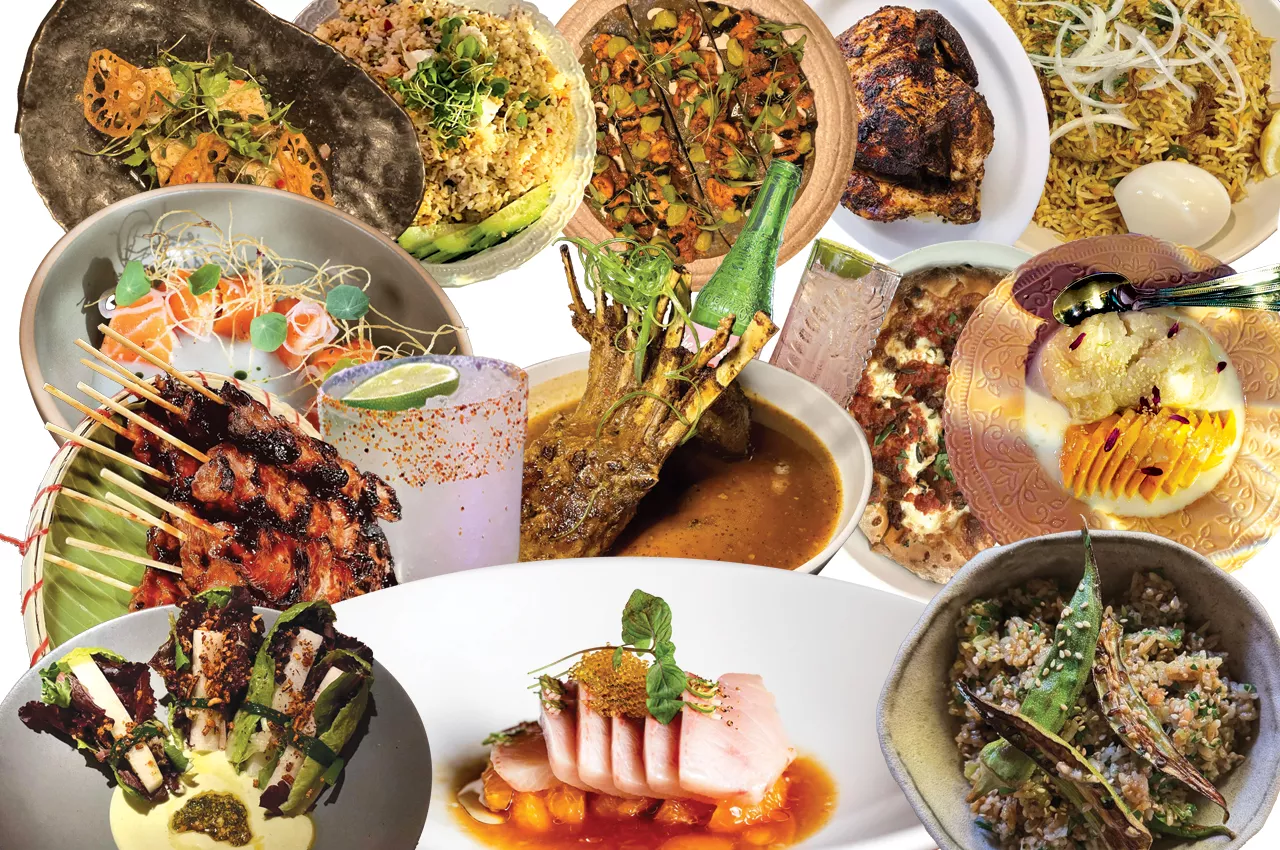
Restaurants Updates New Openings Reviews Food Trends Now
Restaurants Updates New Openings Reviews Food Trends Now – The restaurant scene is always changing, and it’s more exciting than ever. From trendy new openings to creative food concepts, dining out has become an adventure for food lovers. Whether you’re a local or a traveler, staying updated with the latest restaurant news can help you find the next favorite spot.
New Restaurant Openings to Watch
Cities everywhere are welcoming fresh dining concepts. Downtown bistros, rooftop bars, and cozy cafés are popping up, each offering unique flavors and experiences. New openings aren’t just about food—they bring energy and life to neighborhoods, attracting both locals and tourists who are eager to explore something different.
The Rise of Themed Restaurants
Themed restaurants are becoming a favorite for diners seeking more than just a meal. From medieval-style banquets to futuristic dining experiences, these spots offer immersive atmospheres that make each visit memorable. Menus often match the theme, with creatively named dishes and imaginative presentations that make dining feel like an adventure.
Trending Foods and Culinary Innovations
Food trends are a big part of why people are excited about restaurants today. Chefs are experimenting with flavors, techniques, and ingredients, keeping menus fresh and interesting.
Plant-Based and Vegan Options
Plant-based dishes are no longer niche—they’re everywhere. Restaurants are offering meatless burgers, plant-based sushi, and creative vegetable-forward dishes. Even meat-lovers are trying these options, as they’re flavorful and satisfying without compromising taste.
Sustainable Dining Practices
Sustainability is more than a trend—it’s a movement. Restaurants are sourcing ingredients locally, reducing waste, and incorporating eco-friendly practices. For diners, this means enjoying meals that are not only delicious but also ethically prepared.
Fusion Cuisine: Mixing Flavors
Fusion cuisine is another trend that keeps menus exciting. Korean BBQ tacos, sushi burritos, and Mediterranean-inspired pizzas are just some examples of how chefs blend global flavors. Fusion dishes push boundaries, giving diners unique tastes they can’t find anywhere else.
The Impact of Social Media on Dining
Platforms like Instagram and TikTok have changed the way people choose restaurants. Visually appealing dishes often go viral, and restaurants are responding by creating “Instagram-worthy” meals that are as beautiful as they are tasty. For diners, presentation matters almost as much as flavor.
Delivery and Takeout Services
Food delivery has grown dramatically, especially since the pandemic. Restaurants now offer menus optimized for delivery, ensuring meals taste great even after traveling. Some restaurants even have special delivery-only menus to maintain quality and convenience.
Dining Experiences Evolving
Post-pandemic, people seek more than just food—they want atmosphere and experience. Restaurants are responding with chic décor, curated experiences, and tasting menus. Whether it’s wine pairings or chef’s tables, diners now enjoy more personalized and memorable visits.
Exploring Global Cuisines
There’s growing interest in international flavors. Dishes from India, Ethiopia, Thailand, Mexico, and beyond are becoming increasingly popular. Restaurants are introducing diners to global tastes, often combining authenticity with creative twists for a fresh experience.
The Future of Restaurants
The restaurant industry continues to evolve, and the opportunities for food lovers are endless. From sustainable dining and fusion cuisine to themed restaurants and viral food trends, there’s always something new to explore. Staying updated helps diners discover the next big trend or favorite spot.
Whether you’re craving a new opening, exploring plant-based dishes, or trying the latest food trend, the dining world is full of surprises. The key is to stay curious and adventurous—there’s always a new flavor, experience, or restaurant waiting just around the corner.

Restaurant Updates New Openings Reviews And Food Trends
Restaurant Updates: New Openings, Reviews, and Food Trends
Restaurant Updates New Openings Reviews And Food Trends – The culinary world is constantly evolving, with new restaurants, innovative menus, and food trends shaping the way we eat. Staying updated helps food enthusiasts discover exciting dining experiences and explore flavors from around the globe.
New Restaurant Openings
Every city has a pulse of culinary innovation. From intimate bistros to large-scale eateries, new openings offer opportunities to taste unique concepts, fusion cuisines, and seasonal menus. Following openings keeps food lovers ahead of the curve.
Ambiance and Experience
A restaurant is more than food; atmosphere plays a key role. Interior design, service style, and music contribute to the overall dining experience. Paying attention to these elements ensures a memorable visit.
Reviews and Recommendations
Honest reviews guide diners toward quality experiences. Critiques of food, service, and ambiance provide insight before visiting, helping customers make informed choices and avoid disappointment.
Food Trends Shaping Dining
Trends such as plant-based menus, sustainable sourcing, and global fusion influence modern dining. Staying aware of these trends allows diners to enjoy innovative dishes while supporting ethical practices.
Culinary Innovation and Creativity
Chefs constantly experiment with flavors, presentation, and techniques. Unique combinations, seasonal specials, and thematic menus make each dining experience distinctive and enjoyable.
The Role of Social Media
Social media platforms amplify restaurant visibility. Influencers, food bloggers, and online reviews create buzz around new spots, shaping public perception and attracting curious diners.
Conclusion
Restaurants are more than places to eat—they are spaces for creativity, culture, and community. Staying informed about new openings, reviews, and food trends enriches the culinary experience, allowing diners to explore flavors, ambiance, and innovative concepts that define modern dining.

Restaurant News Today Fresh Spots Chef Changes and Hot
The Pulse of the Culinary World
Restaurant News Today Fresh Spots Chef Changes and Hot – Restaurants are constantly evolving, with new spots popping up, chefs moving between kitchens, and menus being reinvented. Staying up-to-date with restaurant news allows food lovers, industry professionals, and casual diners to keep a finger on the pulse of the culinary world. From exciting openings to changes in leadership, the restaurant scene is full of stories that shape dining culture.
Whether you’re looking for your next foodie adventure or tracking trends in the restaurant industry, staying informed helps you make better choices and discover hidden gems.
Hot New Restaurant Openings
New restaurants bring energy, creativity, and fresh ideas to the dining scene. They often set the tone for culinary trends, offering unique menus, ambiance, and experiences.
Trends in New Openings
From farm-to-table concepts to globally inspired cuisine, new restaurant openings reflect evolving tastes. Many spots focus on sustainable sourcing, locally grown ingredients, or innovative fusion dishes that excite diners and critics alike.
Spotlight on Notable Openings
Some new restaurants quickly gain attention for their innovative concepts or high-profile chefs. These hot openings often feature curated menus, distinctive design, and immersive dining experiences that draw crowds and set new standards in the industry.
Chef Changes: Who’s Cooking Where
Chefs are the heart of any restaurant. When a chef changes, it can significantly impact a restaurant’s style, menu, and reputation.
Why Chef Moves Matter
A celebrated chef joining a new kitchen often brings loyal followers, new techniques, and fresh inspiration. Conversely, the departure of a key chef can alter a restaurant’s identity, affecting menu offerings and customer expectations.
Tracking Chef Careers
Keeping tabs on chef movements helps diners understand what to expect at their favorite restaurants. Food enthusiasts often follow chefs’ careers, visiting new establishments to experience their signature dishes and innovative approaches.
Menu Updates and Culinary Trends
Restaurants are dynamic, constantly updating menus to reflect seasonal ingredients, customer preferences, and industry trends. These changes keep dining experiences fresh and engaging.
Seasonal Menus
Seasonal menus showcase fresh produce and local ingredients, providing diners with vibrant and flavorful options. Restaurants often rotate offerings to highlight the best ingredients at the right time of year, keeping their menus exciting and relevant.
Trendy Dishes and Innovations
Culinary trends influence menu creation. Whether it’s plant-based innovations, fusion dishes, or molecular gastronomy, staying informed about menu changes lets food lovers try the latest and most talked-about dishes.
Restaurant Industry News
Beyond food and menus, restaurant news also covers broader industry developments. Ownership changes, policy updates, and restaurant expansions are all part of the landscape.
Ownership and Management Updates
Changes in ownership or management can reshape a restaurant’s vision and strategy. New leadership often brings new branding, menu adjustments, or operational improvements, impacting both staff and customers.
Expansion and Franchise News
Some restaurants expand locally or internationally, opening new locations to reach wider audiences. Tracking these developments helps enthusiasts and investors understand market trends and potential opportunities.
Tips for Staying Updated
Keeping up with restaurant news doesn’t have to be overwhelming. Following trusted news sources, food blogs, and social media accounts can provide timely and reliable updates.
Food Media and Influencers
Food journalists and influencers often share breaking news, reviews, and insider information. Their insights can guide diners to new openings, chef announcements, and emerging trends.
Local Sources Matter
Local publications and community networks provide specific updates about new restaurants, pop-ups, and culinary events. These sources often highlight hidden gems and unique dining experiences that national outlets might overlook.
Why Restaurant News Matters
Being aware of restaurant news benefits both casual diners and industry professionals. For diners, it opens the door to new experiences and flavors. For professionals, it provides insight into market trends, competition, and innovation.
Enhancing Dining Experiences
Knowing which restaurants are trending, who the new chefs are, and what dishes are creating buzz helps food lovers make informed decisions. It adds excitement and anticipation to the dining experience, turning meals into memorable events.
Understanding Industry Dynamics
Restaurant news also reflects the evolving culinary industry. By following openings, chef movements, and menu trends, observers gain insight into business strategies, culinary innovation, and consumer preferences.
Conclusion: Staying Ahead in the Culinary Scene
Restaurant news today goes beyond simple reviews. It’s about understanding the dynamic world of dining, from new spots and chef changes to trending dishes and industry updates.
By keeping informed, food enthusiasts can explore fresh culinary experiences, discover emerging talent, and stay connected with the ever-changing restaurant landscape. Whether you’re a casual diner or a dedicated foodie, following restaurant news ensures you never miss out on the latest openings, menu innovations, and culinary trends shaping the dining world today.
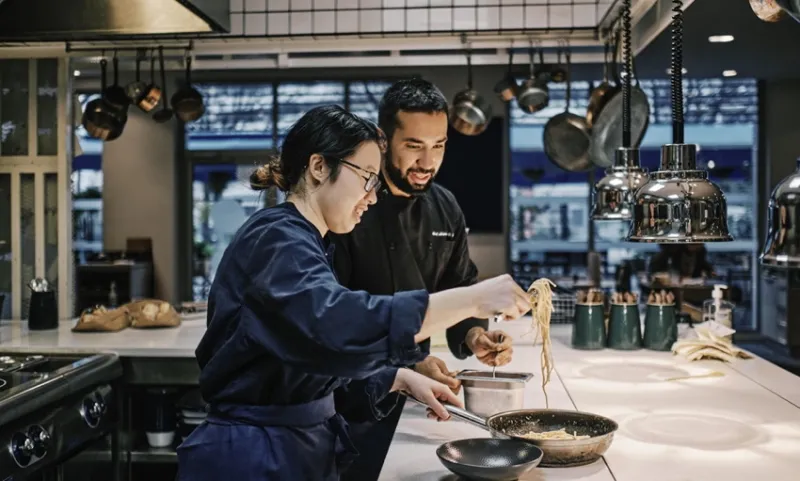
Top Restaurant News 2026 Hot Trends New Menus Openings
Top Restaurant News 2026 Hot Trends New Menus Openings – The restaurant industry in 2026 is moving faster than ever. New ideas, fresh menus, and exciting openings are changing the way people dine. Restaurants are no longer just places to eat. They have become destinations where food, atmosphere, and experience come together.
For food lovers and casual diners alike, keeping up with restaurant news in 2026 means discovering what’s new, what’s trending, and what’s worth trying. From creative menu updates to bold new restaurant concepts, this year brings a lot of energy to the dining scene.
Restaurant Trends Shaping 2026
One of the biggest restaurant trends in 2026 is the focus on experience. Diners want more than good food. They want a story, a mood, and a reason to come back. Restaurants are responding by creating unique themes, open kitchens, and spaces that feel welcoming and personal.
Menus are becoming more focused and intentional. Instead of offering too many choices, many restaurants are narrowing their menus to highlight quality and consistency. This approach allows chefs to perfect each dish and create a stronger identity for their brand.
Another trend gaining attention is the blend of global flavors. Chefs are combining traditional recipes with modern techniques and influences from different cultures. These fusion-style menus feel fresh while still offering comfort and familiarity.
New Restaurant Openings Worth Watching
New restaurant openings are one of the most exciting parts of the food scene in 2026. Across major cities and growing neighborhoods, chefs and entrepreneurs are launching concepts that reflect modern dining preferences.
Many new restaurants focus on casual but elevated dining. These places offer high-quality food without the formality of fine dining. The atmosphere is relaxed, prices feel reasonable, and the food still feels special.
Pop-up restaurants are also playing a big role this year. Temporary dining concepts allow chefs to experiment with menus and ideas before opening permanent locations. For diners, pop-ups offer a chance to try something unique and limited-time only.
New Menus and Creative Updates
Menu updates are a major part of restaurant news in 2026. Chefs are constantly refreshing their offerings to keep things interesting. Seasonal menus are more popular than ever, allowing restaurants to showcase fresh ingredients and local flavors.
Comfort food continues to dominate menus, but with modern twists. Classic dishes are being refined with better ingredients, lighter techniques, and creative presentation. This approach appeals to diners who want familiar flavors without feeling bored.
Plant-based and alternative options are also becoming standard rather than niche. Restaurants are expanding their menus to include thoughtful choices that appeal to a wider audience, even those who don’t strictly follow specific diets.
How Technology Is Changing Restaurants
Technology plays a quiet but important role in restaurants in 2026. Digital menus, online reservations, and smoother ordering systems help improve the overall dining experience. These tools reduce wait times and make visits more convenient.
Some restaurants now use technology to tell the story behind their food. Diners can learn where ingredients come from or how a dish is prepared, adding depth to the meal. While technology supports the experience, the focus remains on human connection and hospitality.
Dining Preferences Are Evolving
The way people dine has changed significantly. In 2026, flexible schedules and remote work have shifted dining habits. Restaurants are adapting by offering menus that work throughout the day, from brunch to late-night bites.
Casual dining continues to grow as people look for comfortable places to relax and socialize. At the same time, special-occasion dining is becoming more intentional. When people choose fine dining, they expect something memorable and worth the time and cost.
Takeout and delivery remain important, but many diners are returning to in-person dining for the atmosphere and social experience that can’t be replaced at home.
Sustainability and Responsible Dining
Sustainability is no longer just a trend in 2026. It has become part of everyday restaurant operations. Many restaurants are reducing food waste, choosing eco-friendly packaging, and sourcing ingredients responsibly.
Diners appreciate transparency. Restaurants that clearly communicate their values and practices often build stronger trust with their customers. Ethical sourcing and environmental responsibility are now seen as part of good service, not optional extras.
Local Restaurants and Community Impact
Local restaurants play a major role in shaping food culture. In 2026, neighborhood dining spots are gaining more attention as people choose to support local businesses.
These restaurants often reflect the personality of their communities. They host events, collaborate with local producers, and create spaces where people feel connected. This sense of belonging makes local dining experiences more meaningful.
What to Expect Next in the Restaurant Scene
Looking ahead, restaurant news in 2026 suggests continued creativity and adaptation. Chefs are more open to experimentation, and diners are more curious and adventurous.
Menus will likely continue to evolve, focusing on balance, quality, and experience. New openings will keep bringing fresh energy to the industry, while established restaurants will refine what they do best.
The restaurant world is constantly changing, but one thing remains the same: people love gathering around good food.
Final Thoughts on Restaurant News in 2026
The restaurant scene in 2026 is full of life and innovation. Hot trends, new menus, and exciting openings are shaping how people experience dining. Whether you enjoy trying new places or sticking to trusted favorites, this year offers something for everyone.
Keeping up with restaurant news means staying connected to food culture and discovering new flavors along the way. As restaurants continue to evolve, diners can look forward to more memorable meals, creative concepts, and welcoming spaces.
Food has always brought people together, and in 2026, restaurants are proving that this connection is stronger than ever.

Latest Restaurant Updates 2026 New Openings Trends And News
Latest Restaurant Updates 2026 New Openings Trends And News – The restaurant world in 2026 is buzzing with exciting changes. What started as a trend years ago has now grown into a full movement that touches everything from the way food is served to how we choose where to dine. If you love food, restaurants, and all the experiences that come with it, this year has something fresh and exciting to discover.
Restaurants have always been places where people connect, celebrate, and explore new flavors. In 2026, that experience feels more dynamic and alive than ever. With new openings, evolving trends, and shifts in how diners think about food, the restaurant scene has become a living, breathing part of our everyday culture.
New Restaurant Openings Everyone Is Talking About
One of the most exciting parts of 2026 is all the buzz around new restaurant openings. Across cities and towns, chefs are launching places that mix innovation with comfort. Some are reinventing old classics with modern flair, while others are bringing completely new concepts to the table.
These openings aren’t just about food. Many of them focus on atmosphere, community, and storytelling through cuisine. Diners today look for more than a meal—they want a memorable experience. Whether it’s a cozy corner bistro or a bold, new tasting-menu spot, places that strike the right balance are drawing crowds.
City centers and neighborhoods that were once overlooked are now becoming hotspots for creative dining. The restaurant industry is embracing diversity, giving rise to menus that blend cultures, traditions, and unexpected flavor combinations.
Trends Shaping Dining in 2026
The restaurant trends of 2026 are shaped by changing tastes and priorities among diners. People are more mindful about their food choices, and chefs are responding with dishes that are both flavorful and thoughtful.
One trend that continues to grow is the focus on local ingredients. Restaurants are connecting directly with farmers, fishermen, and artisans to bring fresh, seasonal produce to their menus. There’s a renewed appreciation for food that’s grown nearby, and many diners happily support these farm-to-table efforts.
Another trend is mindful dining. People are more conscious of food origins, nutritional value, and sustainability. Simple menus with clear ingredient sources are more popular than ever. Diners want to know where their food comes from, how it was prepared, and what impact it has on their bodies and the environment.
Comfort food has also made a strong comeback—but with a twist. Classic favorites are being reinvented with high-quality ingredients and modern techniques. Think hearty dishes with refined touches that make familiar flavors feel exciting again.
Technology’s Role in Restaurant Experiences
Technology has stepped into the dining scene in a big way. In 2026, restaurants are using tech not just for efficiency but also to enhance the guest experience.
Reservations and ordering systems have become smoother and more personalized. Some places now use apps that let diners explore menus, learn about ingredient stories, and even customize dishes ahead of time. Digital menus with visuals help diners make choices based on flavor profiles and portion sizes.
Behind the scenes, kitchen and service staff benefit from tools that help manage orders, reduce wait times, and improve consistency. The tech isn’t meant to replace human interaction, but to support it—so diners feel less waiting and more enjoyment.
How Dining Preferences Are Changing
Dining habits in 2026 reflect how people live and work today. Flexible lifestyles have changed when and how often people eat out. Restaurants are responding with menus that cater to all times of the day—from early breakfast bites to late-night small plates.
Casual dining is thriving as more people look for relaxed, approachable experiences. These places offer quality food without the pressure of formal dining, making social meals feel easy and enjoyable.
At the same time, fine dining isn’t disappearing. Instead, it’s evolving. Chefs are experimenting with tasting menus, seasonal themes, and immersive experiences that transform a meal into a multi-sensory event. Diners who crave something special are excited by these elaborate food journeys.
Community and Culture in the Restaurant Scene
Restaurants in 2026 are more than places to eat—they are hubs of community and culture. Many new spots host events, live music, and collaborative pop-ups that bring people together. Dining experiences are social, interactive, and often tied to local stories.
Neighborhood restaurants are creating connections that go beyond food. Locals gather for weekly specials, cultural celebrations, and shared interests. This shift toward community-centric dining is reshaping how people think about restaurants as not just businesses, but as local gathering places.
Sustainability and Ethical Dining Choices
Sustainability continues to play a major role in how restaurants operate. Diners are more aware of environmental impact and expect restaurants to take responsibility. Many places are reducing waste, using compostable packaging, and sourcing ingredients with minimal environmental footprint.
Ethical dining—knowing that food is produced responsibly and humanely—is more than a trend. It’s becoming a standard. Restaurants that prioritize ethical sourcing and transparent practices are gaining loyal followings.
What Diners Can Expect Next
Looking ahead, the restaurant scene in 2026 promises even more creativity and innovation. Chefs are inspired by global flavors, local stories, and new culinary techniques. Dining is becoming more adventurous, but always rooted in quality and authenticity.
Pop-up concepts, chef collaborations, and cultural fusions will continue to excite food lovers. Diners can expect more options for plant-based choices, creative desserts, and menus that celebrate tradition with modern twists.
Final Thoughts on Restaurant News in 2026
The restaurant world in 2026 feels alive with possibility. New openings are reshaping city blocks, trends are influencing menus in exciting ways, and diners are more involved and informed than ever before. Whether you’re a food lover, casual diner, or someone who enjoys trying new places, this year offers a rich and vibrant landscape to explore.
Restaurants are more than places to eat—they are experiences, expressions of culture, and reflections of our evolving tastes. Keeping up with the latest updates means discovering new favorites, understanding emerging trends, and being part of a community that celebrates food in all its forms.
So next time you’re thinking about where to go, remember that the world of dining in 2026 has endless possibilities. Great food is everywhere, waiting to be discovered one plate at a time.